
Peptide Therapy for Recovery: What's Beyond BPC-157 and TB-500

If you have read anything about peptides, you have probably run into BPC-157 and TB-500. They get most of the attention, and for good reason, but they are only part of the picture. Peptide therapy is a broader category, and a few others are just as useful for people focused on recovery, energy, and feeling like their body bounces back the way it used to. As part of our performance and recovery support in Owasso, here is a plain-language tour of what else is out there and what it actually does.
A quick refresher on what peptides are
Peptides are short chains of amino acids, the same building blocks your body uses to make proteins. Think of them as specific messages: each one tells certain cells to carry out a particular job. Your body already makes and uses thousands of them. Peptide therapy uses targeted ones to support a process you want more of, like tissue repair or recovery.
BPC-157 and TB-500 are the recovery-and-repair pair most people start with, and we cover those in detail in our piece on BPC-157 and TB-500 for recovery. Beyond them, the conversation usually turns to the growth-hormone-supporting peptides.
CJC-1295 and ipamorelin: the recovery and vitality pair
These two are frequently used together, and they work by gently encouraging your body to release more of its own growth hormone rather than introducing it from outside. That distinction matters to a lot of people, because it works with your natural rhythm.
What people are after with this pair:
Better, deeper sleep, which is where most real recovery happens
Improved recovery between workouts
Support for lean muscle and body composition
A general sense of vitality and feeling more resilient
The honest framing, same as always: these support processes your body already runs. They are not a shortcut around training, sleep, and nutrition, and the research on many peptides is still developing. We use them as one tool in a plan, not a magic button.
Who peptide therapy tends to fit
In our experience, the people who get the most from peptide therapy are active adults who feel like recovery has slowed down, folks dealing with a nagging issue that will not fully resolve, and people focused on healthy aging who want to support their body's own repair and energy systems. It overlaps naturally with the rest of our advanced IV and wellness work, and we often combine approaches.
It is not for everyone, and it is not something to source on your own. Quality and proper dosing are everything with peptides, and getting either wrong is where people run into trouble.
How we handle peptides at WellSpot IV
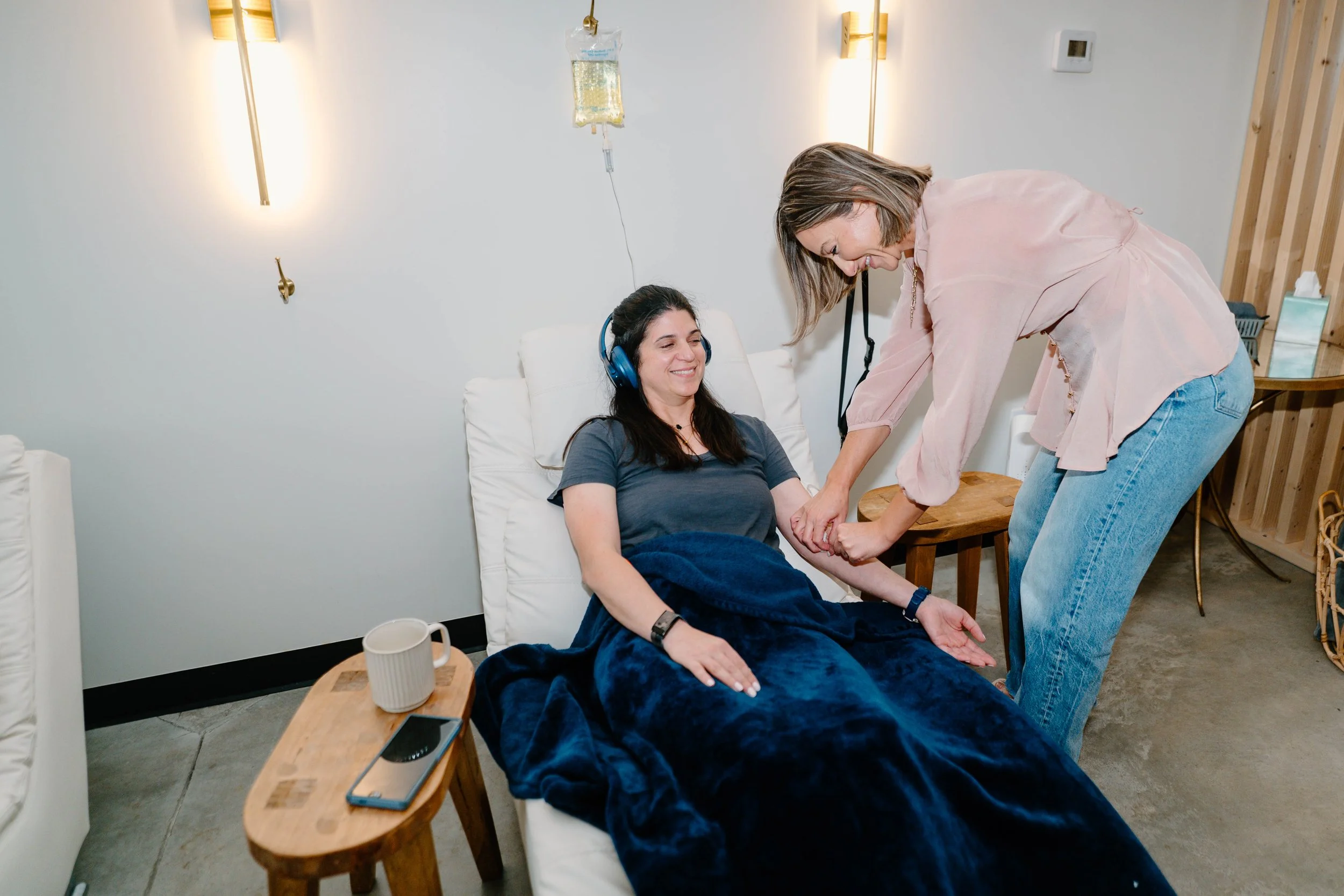
This is the part that separates a real clinic from the internet. Every peptide protocol here starts with Courtney Garner, our nurse practitioner, reviewing your health, your goals, and whether peptides even make sense for you. We use quality, properly handled product, we set appropriate dosing, and we fold it into a fuller plan rather than handing you a vial and good luck.
If you are curious whether peptide therapy fits your recovery goals, the right move is a conversation. Call (918) 265-4811 or book a visit and we will talk it through.
Frequently asked questions
What are the benefits of peptide therapy? Depending on the peptide, people use it for recovery, better sleep, tissue repair, lean muscle support, and a general sense of vitality. The right peptide depends on your goal.
What peptides are there besides BPC-157 and TB-500? Common ones include CJC-1295 and ipamorelin, which support your body's own growth hormone release for recovery, sleep, and body composition. Which peptide fits depends on what you are trying to accomplish.
Is peptide therapy safe? When peptides are appropriate for you, properly sourced, correctly dosed, and supervised, they are generally well tolerated. Sourcing and dosing on your own is where the real risk is, which is why clinical oversight matters.
How are peptides given? Most are given by injection. The protocol depends on the peptide and your goals, which our nurse practitioner sets after reviewing your situation.
Do peptides replace training and good sleep? No. They support the recovery and repair your body already does. They work best alongside solid training, sleep, and nutrition, not instead of them.
