
Benefits of BPC-157 and TB-500: Peptide Therapy for Recovery
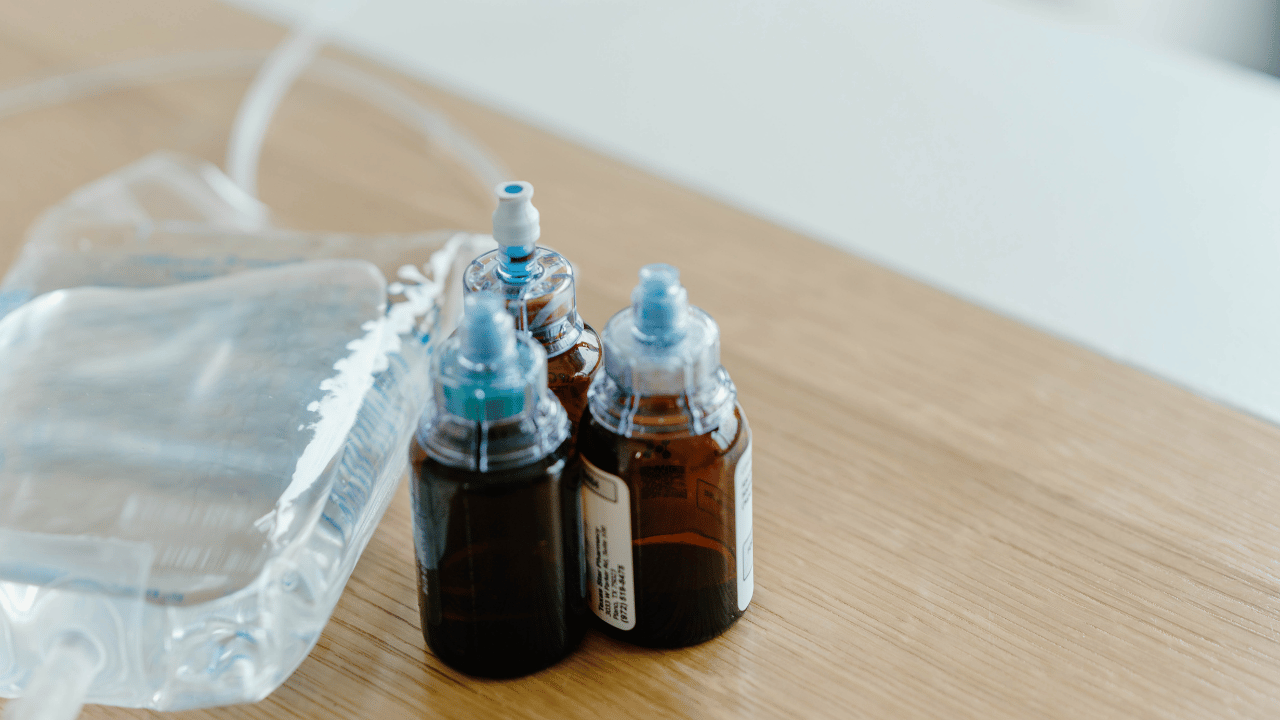
Peptide therapy has emerged as an experimental and increasingly popular approach in the field of recovery and wellness, particularly through the use of peptides like BPC-157 and TB-500. These peptides are studied for their potential ability to enhance healing processes, reduce inflammation, and improve overall athletic performance. In this article, we will explore the mechanisms behind peptide therapy, the specific benefits of BPC-157 and TB-500 based on current scientific understanding, and considerations for their use. Many individuals, especially athletes and those recovering from injuries, seek effective solutions to enhance their healing and performance. Peptide therapy offers a promising yet still largely investigational method to achieve these goals. We will delve into the workings of these peptides, their reported benefits, and practical guidelines for their use.
TL;DR
Peptide therapy uses short chains of amino acids to promote healing and recovery.
BPC-157 may accelerate soft tissue repair, reduce inflammation, and improve mobility.
TB-500 is noted for enhancing tissue regeneration, reducing inflammation, and increasing flexibility.
Both peptides show promise for athletic recovery and immune support but require more clinical research.
Proper dosage and administration under medical supervision are essential for safety.
What Is Peptide Therapy and How Does It Support Recovery?
Peptide therapy involves the use of specific peptides to promote healing and recovery in the body. These peptides are short chains of amino acids that play crucial roles in various biological processes, including tissue repair and immune function. By introducing these peptides into the body, individuals may enhance their natural healing capabilities. Peptide therapy supports recovery by stimulating cellular processes that lead to faster healing, reduced inflammation, and improved overall health, though more clinical evidence is needed to firmly establish these effects.
How Do BPC-157 and TB-500 Peptides Work in the Body?
BPC-157 and TB-500 are two peptides that have been studied for their potential to promote recovery. BPC-157, known for its tissue repair capabilities in some experimental studies, is believed to enhance the healing of tendons, ligaments, and muscles by promoting angiogenesis, the formation of new blood vessels. This process may increase blood flow to injured areas, facilitating recovery. TB-500, primarily investigated for its ability to reduce inflammation and improve flexibility in animal studies, is thought to enhance the body's natural healing processes by promoting cell migration and tissue regeneration, making it of interest to athletes. However, human clinical trials are limited, and these claims remain largely supported by preclinical data.
Why Choose Peptide Therapy for Immune and Athletic Support?
Peptide therapy is considered an emerging approach for immune support and athletic enhancement. For athletes, the ability to recover quickly from injuries and intense training sessions is crucial. Peptides like BPC-157 and TB-500 may accelerate healing and improve performance by potentially reducing recovery times and enhancing flexibility, though more research is needed for definitive conclusions. Additionally, some studies suggest these peptides may support immune function, helping individuals maintain optimal health during rigorous training or recovery periods, but these effects require further validation.
What Are the Key Benefits of BPC-157 Peptide Therapy?
BPC-157 peptide therapy is reported to offer several benefits that may aid recovery and wellness, primarily based on animal and limited human studies.
Research indicates that BPC-157 shows significant promise in promoting recovery from various injuries, particularly those affecting soft tissues and bones.
BPC-157 for Orthopaedic Sports Recovery & Tissue Healing
BPC-157 shows promise for promoting recovery from injuries. The findings showed that BPC-157 helps promote healing by improving outcomes in muscle, tendon, ligament, and bone.
Emerging use of BPC-157 in orthopaedic sports medicine:
A systematic review, H Hahamyan, 2025
Accelerates Soft Tissue Repair: BPC-157 is reported to speed up the healing of soft tissues, including muscles, tendons, and ligaments, by promoting cellular repair mechanisms.
Decreases Inflammation and Pain: This peptide has shown anti-inflammatory properties in preclinical studies, which may help reduce pain and swelling in injured areas, facilitating recovery.
Improves Mobility and Flexibility: By enhancing tissue repair and possibly reducing inflammation, BPC-157 may contribute to improved mobility and flexibility, important for athletes and active individuals.
These benefits highlight the potential of BPC-157 in supporting recovery and health, though more rigorous clinical trials are needed for confirmation.
How Does BPC-157 Promote Healing and Tissue Repair?
BPC-157 is believed to promote healing by stimulating the production of growth factors and enhancing cellular repair mechanisms in preclinical models. It may increase the synthesis of collagen, a vital protein for tissue repair, and promote angiogenesis, improving blood flow to damaged areas. This dual action is thought to accelerate healing and ensure stronger, more resilient repaired tissues, but these mechanisms require further validation in human studies.
What Are Common Uses of BPC-157 for Health and Wellness?
BPC-157 is commonly explored for various health applications, including:
Tissue Repair: Potentially effective in healing injuries related to muscles, tendons, and ligaments based on animal studies.
Gut Health Improvement: Investigated for supporting the healing of gastrointestinal issues such as leaky gut syndrome.
Chronic Condition Management: Being studied for assisting in managing chronic pain and inflammatory conditions.
How Does TB-500 Peptide Enhance Recovery and Performance?
TB-500 is noted for its potential to enhance recovery and athletic performance based on experimental research. It works by promoting cell migration and tissue regeneration, which are essential for healing injuries and improving physical function, mainly demonstrated in animal studies.
In What Ways Does TB-500 Support Tissue Repair and Flexibility?
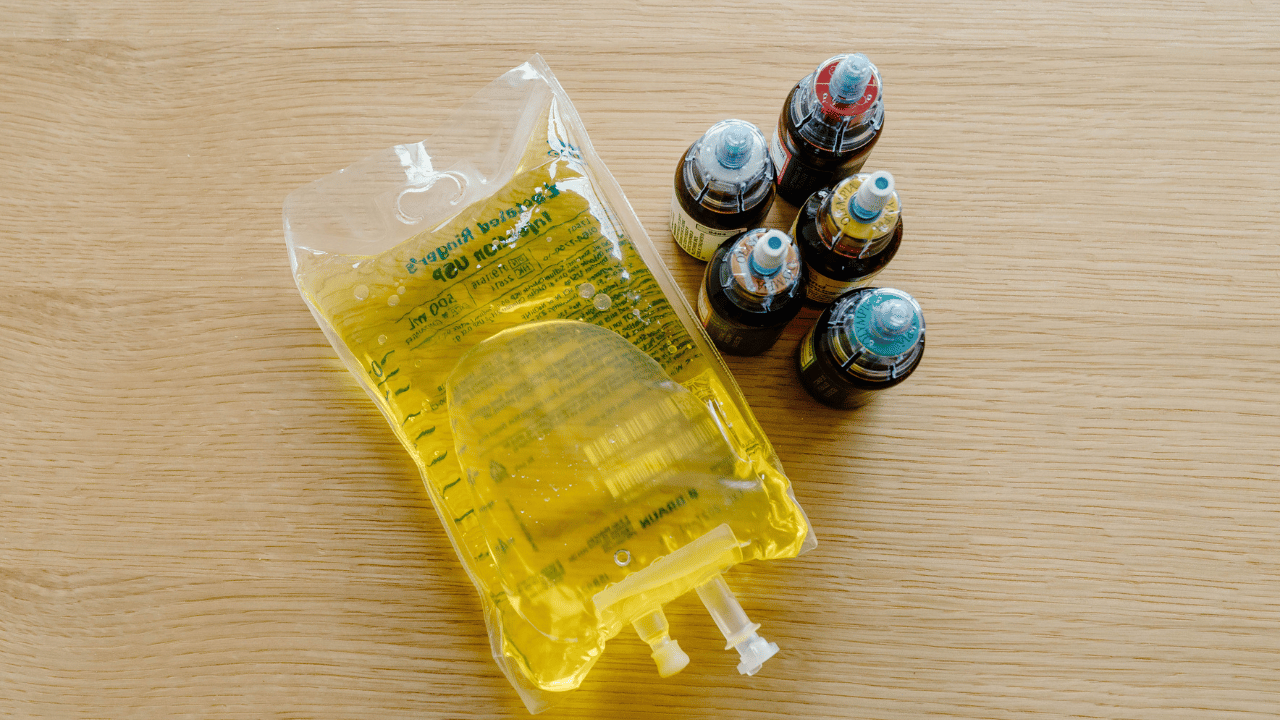
TB-500 supports tissue repair by enhancing cell migration to injured areas and possibly improving blood flow, helping reduce inflammation critical for recovery. By improving flexibility, TB-500 may help athletes maintain performance levels and reduce the risk of future injuries, though human clinical evidence is limited.
Further studies highlight TB-500's potential in mitigating inflammation, a key factor in hindering effective recovery and athletic performance.
TB-500: Anti-Inflammatory, Healing & Athletic Performance
TB-500 is also showing promise in anti-inflammatory properties. Inflammation can hinder recovery, and as such reduction of inflammation is of interest in its applications for healing and athletic performance.
TB-500 OVERVIEW
What Are the Athletic Performance Benefits of TB-500?
The athletic performance benefits of TB-500 include:
Increased Flexibility: Potentially enhances range of motion, allowing for improved physical activity.
Faster Recovery: May reduce downtime after injuries or intense training, enabling quicker return to routines.
Reduction of Inflammation: Helps manage inflammation that can impede performance and recovery.
Specifically for athletes, TB-500 has been investigated for its role in accelerating injury recovery and reducing inflammation, which are crucial for maintaining peak performance.
TB-500 for Athlete Injury Recovery & Reduced Inflammation
The use of TB-500 in athletes is injury recovery and metabolic substrate restoration after endurance exercise, and it has shown reduced joint inflammation and osteoarthritis.
Safety and Efficacy of Approved and Unapproved Peptide Therapies for Musculoskeletal Injuries and Athletic Performance, CL Mendias, 2025
How Should You Use BPC-157 and TB-500: Dosage and Administration Guidelines
When considering BPC-157 and TB-500 for recovery, understanding proper dosage and administration is crucial, though standardized clinical dosing protocols for humans have not been firmly established.
What Are Recommended Dosages for BPC-157 and TB-500 Peptides?
Reported dosages for BPC-157 in experimental and anecdotal use range from 200 to 500 micrograms per day, while TB-500 is often administered at doses of 2 to 5 milligrams per week in similar contexts. Because these peptides are not approved by regulatory agencies like the FDA for medical use, consultation with a healthcare professional is essential before use to determine safe and appropriate dosage.
How Is Peptide Therapy Administered Safely?
Peptide therapy should be administered under the guidance of a qualified healthcare provider to ensure safety and efficacy, which may involve subcutaneous injections or other methods as recommended by professionals. Personalized treatment plans help optimize benefits while monitoring for adverse effects.
What Are the Safety Considerations and Possible Side Effects of Peptide Therapy?
While peptide therapy is generally considered to have a favorable safety profile in preliminary studies, potential side effects and safety considerations remain under investigation.
Are There Side Effects Associated with BPC-157 and TB-500?
Common side effects reported anecdotally for BPC-157 and TB-500 include mild irritation at the injection site, headaches, or fatigue. Serious side effects appear rare in limited reports, but comprehensive safety data is lacking.
Who Should Avoid Peptide Therapy or Consult a Doctor First?
Individuals with specific health conditions, such as cancer or autoimmune disorders, should consult a healthcare professional before starting peptide therapy. It is crucial to ensure that peptide therapy is appropriate for one's health status.
How Can You Book Peptide Therapy and Purchase Supplements at WellSpot IV?
Booking peptide therapy and purchasing supplements can be done through WellSpot IV, a provider of peptide therapy services.
What Is the Appointment Booking Process for Peptide Therapy?
To book an appointment for peptide therapy at WellSpot IV, individuals can contact the clinic directly. The process typically involves a consultation to discuss health goals and determine the best treatment plan.
Where Can You Buy Quality Peptide Supplements for Recovery?
Quality peptide supplements for recovery can be purchased through WellSpot IV, ensuring that individuals receive products intended to support their health and wellness goals. For more information, you can reach out to WellSpot IV at (918) 265-4811 or email Team@WellSpotIV.com.
To further explore options, consider exploring available services at WellSpot IV.
