
Signs You May Need Testosterone Replacement Therapy
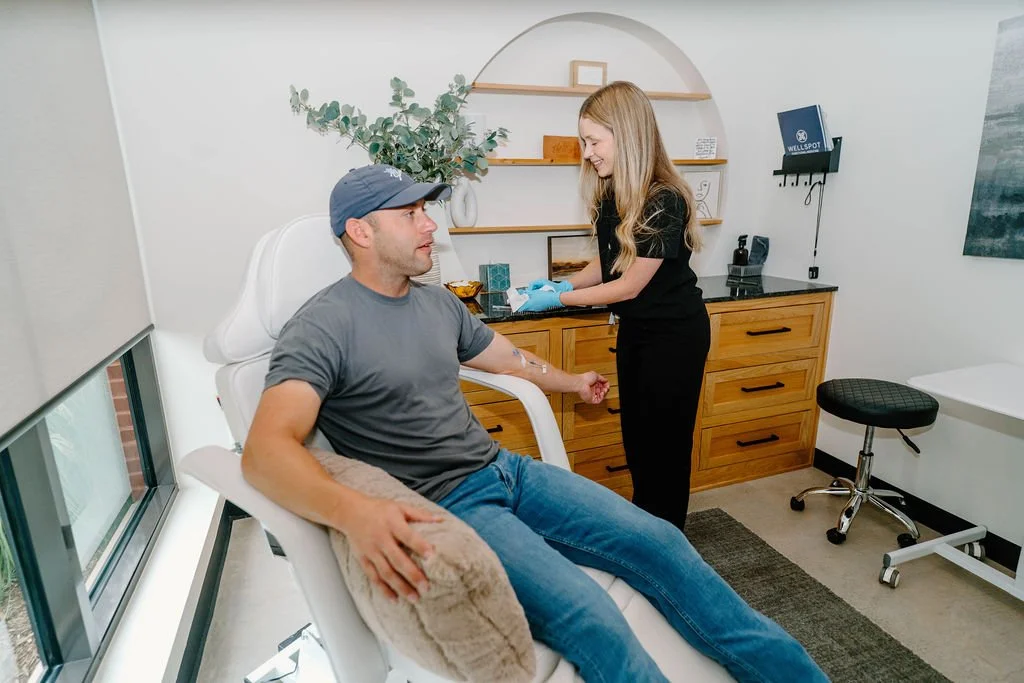
If you are a man somewhere past your mid-thirties and you just do not feel like yourself, low testosterone is worth ruling in or out. It is more common than most guys think, and the symptoms are easy to wave off as "getting older" or "being busy." The catch is that the only way to actually know is to test, not to guess from a checklist online. Still, knowing the common signs helps you decide whether it is time to look closer, and a simple lab test here in Owasso can give you a real answer.
Here are the patterns we hear about most.
The energy and motivation signs
This is usually the first thing men notice. Not dramatic exhaustion, but a steady drop in drive and get-up-and-go.
Persistent fatigue that sleep does not fix
A noticeable dip in motivation or drive, at work and at home
Brain fog, or feeling slower and less sharp than you used to
Low mood or a shorter fuse than normal
Any one of these has plenty of possible causes. But several of them together, settling in over months, is a pattern worth checking.
The physical signs
Testosterone affects your body composition and strength in ways that show up over time:
Losing muscle or strength even though your training has not changed
Gaining body fat, especially around the middle, without an obvious reason
Feeling weaker in workouts you used to handle easily
Reduced endurance and longer recovery
Men often blame these on age alone. Age is part of it, but a real testosterone decline can speed the process, and it is measurable.
The signs men do not bring up
These are the ones that go unspoken, and they matter just as much:
A drop in sex drive
Changes in performance or function
Trouble with sleep
There is no need to be embarrassed about any of this. It is a hormone and physiology conversation, full stop, and it is one we have with patients regularly without making it weird.
Why you have to test, not guess

Here is the honest part. Every symptom above can come from other things: thyroid issues, poor sleep, stress, nutrient deficiencies, or just a rough season. That is exactly why we do not put anyone on testosterone based on how they feel. We test first.
A straightforward blood panel shows your actual testosterone levels and helps rule out the other suspects. From there, if your levels are genuinely low and the picture fits, we can talk about options. If they are normal, that is valuable too, because it points us at the real cause instead of chasing the wrong fix. You can see how this fits into our broader services, and for men who want the deeper dive we cover testosterone replacement therapy for men in more detail.
The next step is simple
If a handful of these signs have been following you around, stop wondering. Get tested and get a clear answer. Courtney Garner, our nurse practitioner, reviews your labs and your symptoms together, not in isolation, and will be straight with you about whether TRT is the right path or whether something else is going on. Call (918) 265-4811 or book a visit to start with testing.
Frequently asked questions
What are the most common signs of low testosterone? Persistent fatigue, low drive and motivation, brain fog, loss of muscle or strength, gaining belly fat, reduced sex drive, and poor sleep. Several of these together over months is the pattern to watch.
Can I tell if I have low testosterone without a blood test? No. The symptoms overlap with thyroid issues, stress, sleep problems, and deficiencies, so a blood test is the only way to know for sure. We always test before recommending anything.
At what age does testosterone start to decline? Levels typically begin a gradual decline in a man's thirties and continue from there, but symptoms and severity vary a lot from person to person, which is why testing matters.
Is testosterone replacement therapy safe? When it is based on real lab results, appropriate for you, and monitored, it is a well-established treatment. It is not right for everyone, which is why evaluation and follow-up are part of the process.
How do I get started? Start with a lab test and a consultation. We review your levels alongside your symptoms and talk honestly about whether TRT or another approach makes sense.
