
BPC-157 for Gut Health and Injury Recovery: What You Should Know

BPC-157 is a peptide that keeps coming up in recovery and gut-health circles, and for good reason. The name is short for "Body Protection Compound," and it is a small chain of amino acids your body recognizes. People mostly ask us about it for two things: a stubborn injury that will not finish healing, and ongoing gut issues. Here is a clear, honest look at what it is, what the research actually supports, and how we approach it as part of peptide and performance support here in Owasso.
What BPC-157 actually is
Peptides are short strings of amino acids, the same building blocks that make up proteins in your body. They act like signals, telling cells to do specific jobs. BPC-157 is derived from a protein found naturally in the stomach, which is part of why so much of the interest centers on the gut.
It is important to be straight about the evidence. Most of the research on BPC-157 so far is preclinical, meaning it comes from lab and animal studies rather than large human trials. Those studies are genuinely promising for tissue repair and gut health, but they are not the same as proven, FDA-approved treatment. We use peptides as part of a supervised plan, not as a miracle fix, and we will always tell you where the science is solid and where it is still emerging.
The gut-health angle
The reason BPC-157 is tied so closely to gut health is its origin in the digestive tract. In studies, it has shown an ability to support the lining of the gut and the healing of tissue there. People who ask us about it often deal with ongoing digestive discomfort, irritation, or issues that have not responded to the usual approaches.
If that is you, the right first step is usually understanding what is actually going on. That can mean lab testing to look at deficiencies or sensitivities before reaching for any one tool. Peptides may be one piece of the plan, but they work best when we know what we are supporting.
Why athletes and active people use it for recovery
The other big driver of interest is tissue repair after injury. Active people in Owasso ask about BPC-157 when a tendon, muscle, or joint issue is dragging on longer than it should. The interest is in supporting the body's natural repair process so recovery moves along rather than stalling.
This is the same family of tools we cover when we talk about BPC-157 and TB-500 for recovery, and the two peptides are often discussed together. The honest framing: these support recovery, they do not replace rest, rehab, or proper care for a real injury. If something is seriously hurt, get it looked at.
How we approach peptides at WellSpot IV
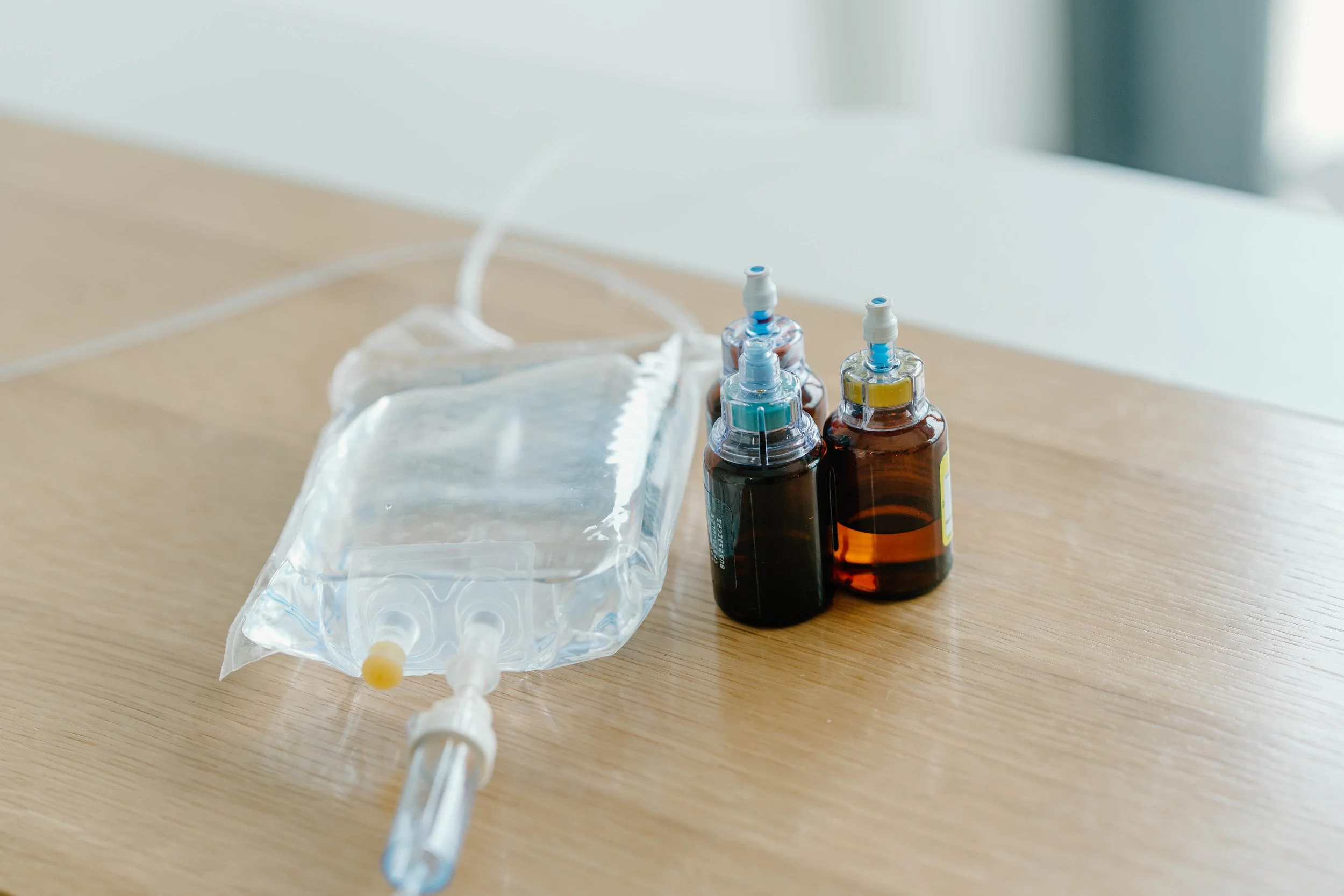
Peptides are not something to order off the internet and figure out on your own. Quality, dosing, and whether a peptide is even appropriate for you all matter, and they should be handled under clinical supervision. At WellSpot IV, Courtney Garner, our nurse practitioner, reviews your history and goals before any peptide protocol, and we build it into a fuller plan rather than handing you a vial and sending you off.
If you have been curious whether BPC-157 fits what you are dealing with, the best move is a conversation. Call (918) 265-4811 or book a visit and we will talk through whether it makes sense for you.
Frequently asked questions
What is BPC-157 used for? People most commonly use it for gut health and to support recovery from injuries to soft tissue like tendons and muscles. Most current evidence is from preclinical research, so we use it as part of a supervised plan rather than a guaranteed treatment.
Does BPC-157 help with gut issues? It is studied for supporting the gut lining and tissue healing, which is why it comes up for digestive concerns. We usually recommend understanding the root issue first, often through lab testing, before deciding if it fits.
Is BPC-157 safe? When it is appropriate for you and handled under clinical supervision with quality sourcing, it is generally well tolerated. It is not right for everyone, which is why we review your health first.
How is BPC-157 given? It is typically given by injection. The specifics depend on your goals and what our nurse practitioner recommends after reviewing your situation.
Can I combine BPC-157 with other recovery support? Often yes. It is frequently discussed alongside TB-500 and other recovery tools, and we build peptides into a broader plan rather than using them in isolation.
