
IV Vitamin C for Cancer Support: What the Research Actually Shows
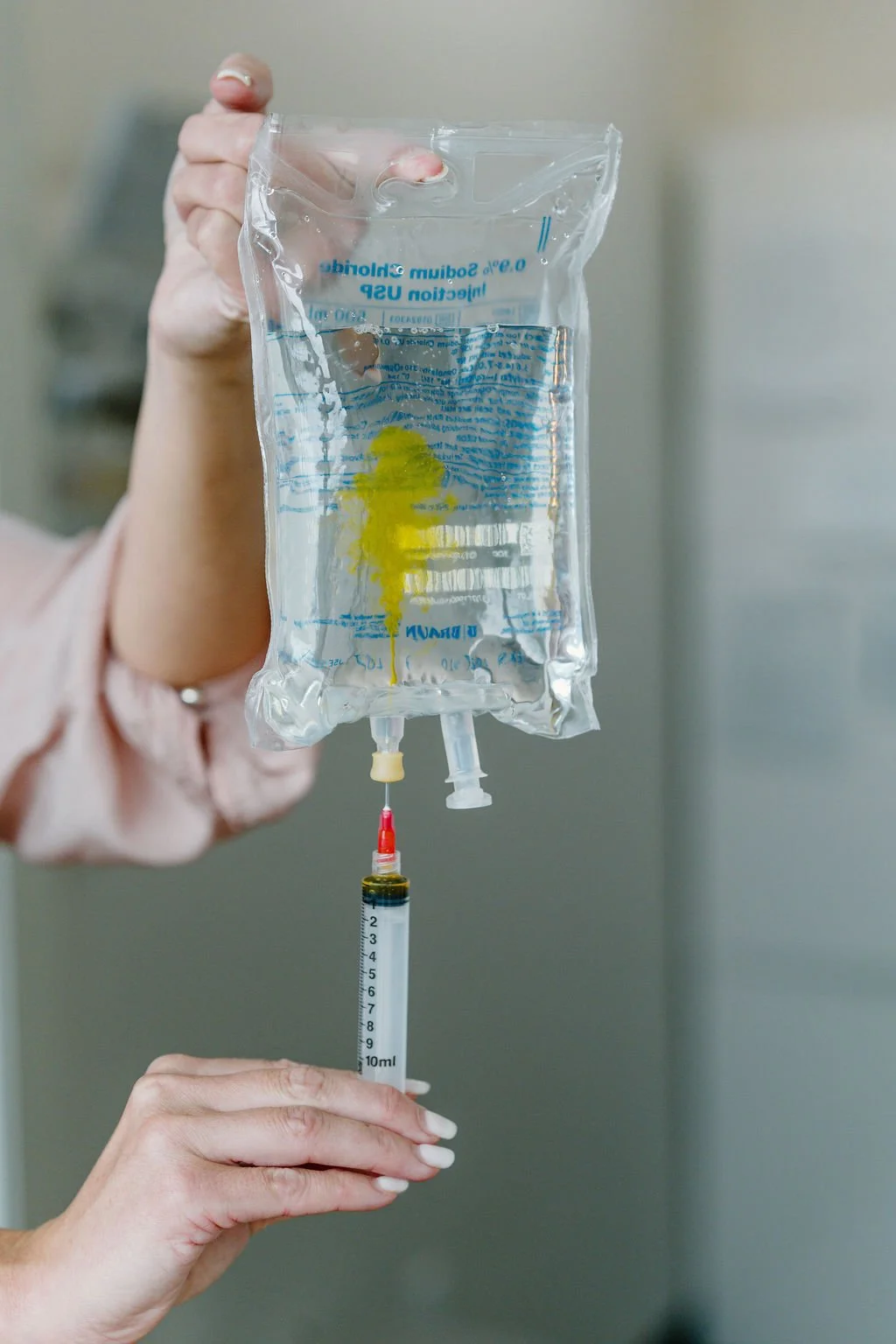
If you or someone you love is going through cancer treatment, you have probably run into mentions of high-dose IV vitamin C, and a lot of conflicting information about it. We want to give you the honest, careful version. IV vitamin C is something we offer as part of integrative cancer support in Owasso, and the most important thing to understand up front is what it is and is not: it is supportive care used alongside conventional treatment, not a cancer cure and not a replacement for the care of an oncologist.
With that foundation, here is what the research suggests and how thoughtful clinics use it.
Why IV, and not just oral vitamin C
This is the first thing that matters, because it explains the whole conversation. When you take vitamin C by mouth, your gut tightly limits how much actually reaches your bloodstream. There is a ceiling. An IV bypasses that limit and can achieve blood levels many times higher than anything possible from a pill.
At those much higher levels, vitamin C behaves differently in the body than it does as an everyday antioxidant. That difference in behavior at high concentration is exactly what researchers have been studying in the cancer-support context, and it is why oral vitamin C and high-dose IV vitamin C are not the same conversation.
What the research suggests, stated honestly
Here is where we are careful. There is a real and growing body of research, including early-phase human studies, looking at high-dose IV vitamin C alongside standard cancer treatment. Some of that work explores whether it may support quality of life during treatment, help with energy and how patients tolerate therapy, and how it behaves around tumor cells at high concentrations.
What the research does not show is that IV vitamin C cures cancer or that it should be used instead of conventional treatment. The studies are ongoing, the picture is still developing, and anyone telling you it is a proven cure is getting ahead of the evidence. We would rather you hear that from us plainly. IV vitamin C is best understood as a supportive tool that some patients and integrative practitioners use to complement, not replace, the treatment plan their oncology team has built.
How it fits into an integrative plan
For the patients we support in this area, IV vitamin C is one piece of a larger, individualized picture. That picture starts with understanding the person in front of us, which often involves advanced testing to inform decisions rather than guessing. From there, supportive therapies are chosen based on the individual, their conventional treatment, and what their care team is comfortable with.
We coordinate, we do not compete. The goal is to support how someone feels and functions during a hard season, in step with their oncologist. Vitamin C is also studied more broadly for immune support and overall wellness, which is part of why it comes up so often.
Why supervision is not optional here

High-dose IV vitamin C is not something to pursue on your own or alongside treatment without your medical team knowing. There are real reasons certain people should not receive it, including specific genetic and kidney considerations, which is why screening beforehand matters. At WellSpot IV, Courtney Garner, our nurse practitioner, reviews each person carefully and believes in open coordination with your oncology team.
If you are exploring supportive options during cancer treatment, the right next step is a real conversation, not a quick booking. Call (918) 265-4811 or reach out to us and we will talk honestly about whether this fits your situation.
Frequently asked questions
Does IV vitamin C cure cancer? No. IV vitamin C is supportive care studied for use alongside conventional cancer treatment. It is not a cure and is not a substitute for the care of an oncologist.
Why is IV vitamin C used instead of pills for this? An IV can reach blood levels of vitamin C far higher than oral supplements, which are capped by how much the gut absorbs. The research interest centers on how vitamin C behaves at those high concentrations.
Is IV vitamin C safe during cancer treatment? For appropriate candidates it is generally well tolerated, but certain genetic and kidney conditions make it unsafe, and timing around treatment matters. That is why screening and coordination with your oncology team are essential before starting.
Will it interfere with chemotherapy or radiation? This is exactly the kind of question that requires your full care team. We coordinate with your oncologist rather than working around them, and timing is handled individually.
How do I know if I am a candidate? It starts with a consultation and appropriate testing. Our nurse practitioner reviews your health, your current treatment, and your goals before recommending anything.
