
From Thanksgiving to New Year's, almost every known flare trigger shows up at once. Short nights, long drives, food you do not normally eat, more alcohol, relatives with colds, and a to-do list that never ends. If you live with lupus, rheumatoid arthritis, Hashimoto's, psoriasis, IBD or another autoimmune condition, you may already know January as recovery month. It does not have to go that way. This is a practical plan for managing autoimmune flares through the holidays, from our team at WellSpot IV in Owasso, where autoimmune disease support is part of what we do every week.
Why the holidays hit autoimmune conditions hard
A flare is a stretch where your immune system's attack on your own tissue ramps up and symptoms get worse. Triggers vary by person and condition, but a few come up again and again: poor sleep, psychological stress, infections, missed medication, and for some people specific foods or alcohol.
The holidays are not one trigger. They are five or six stacked on top of each other for six weeks. That is why a plan works better than willpower.
Make a flare plan before the calendar fills up
Spend twenty minutes on this in early November. Write down:
Your early warning signs (for many people it is fatigue or joint stiffness a day or two before the real flare)
What your rheumatologist or specialist wants you to do when a flare starts
Who to call after hours, and which symptoms mean you call right away
Your medication schedule, including any changes for travel
Keep it on your phone. When you are tired and in someone else's house, you will not want to figure this out from scratch.
Trigger by trigger
Sleep
This is the one people sacrifice first and the one that matters most. Try to keep your wake time within an hour of normal, even on days off. Leaving a party early is a fair trade for not losing the following week.
Food and alcohol
You do not need a perfect holiday diet. If you know certain foods set you off, eat before you go so you are not starving at the buffet. Alcohol disrupts sleep and can interact with some medications, including methotrexate. Ask your prescriber what is safe for you.
Travel
Pack medications in your carry-on, with a few extra days' supply. If you are crossing time zones, set reminders on home time until you can adjust. Long car rides stiffen joints, so plan stops. Drink water on the way; dehydration and travel fatigue tend to show up together.
Germs
Infections are a common flare trigger, and holiday gatherings are where they spread. Wash your hands, skip the shared appetizer spoon, and do not feel bad about stepping away from the person coughing.
If you take an immunosuppressant or biologic, ask your prescriber about flu and other vaccines well before travel. Some vaccines are fine, some live vaccines are not recommended on certain drugs, and timing can matter. A fever while on immunosuppressants is a reason to call your doctor that day, not wait it out.
Stress and obligation

You are allowed to host less, buy less, and say no. Pick the two or three events that matter most and protect your energy for those. People who love you would rather see you in January than hear you are in bed.
If you are already feeling stretched thin heading into the season, call (918) 265-4811. We can talk through whether testing or supportive care makes sense before things get busy.
Where supportive care fits
Supportive care does not prevent or stop flares, and it does not replace your rheumatologist's plan. Where it can help is the margins: catching up on hydration after travel or a stomach bug, correcting deficiencies that testing finds, and giving you a quiet hour in a chair when you need one.
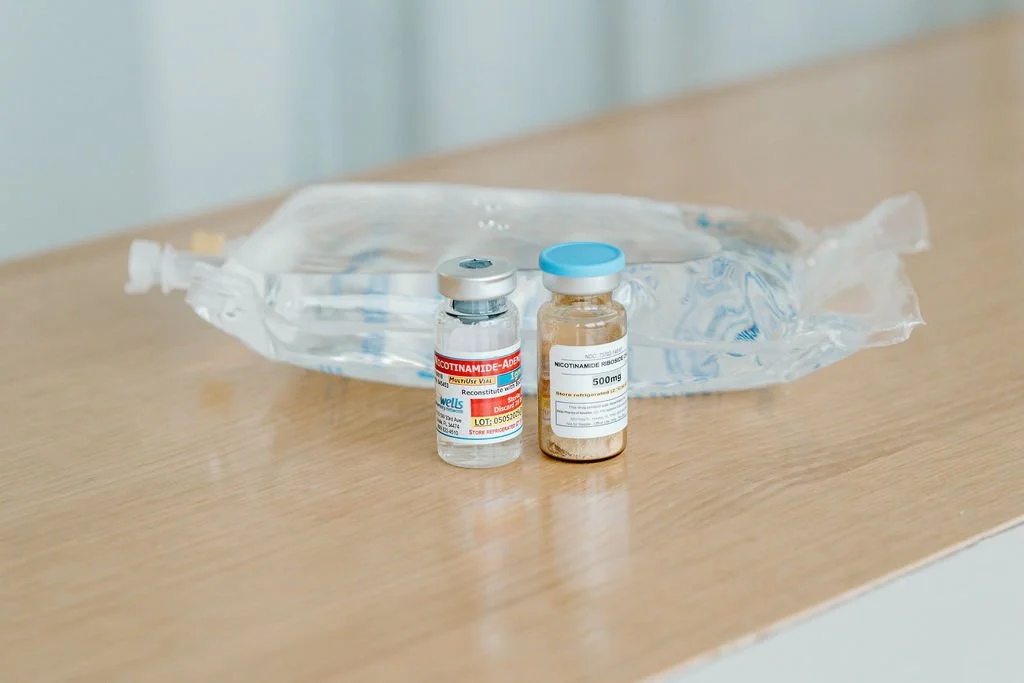
Some patients like to schedule an infusion before a big travel week or after the holidays wind down. Our general wellness and hydration drips are the simple option. For people whose autoimmune condition comes with ongoing inflammation, our chronic inflammation support and the earlier piece on autoimmune flares and IV nutrient support go into the nutrient side in more detail.
If a flare starts anyway
Follow the plan your specialist gave you. Rest early rather than pushing through. Keep up fluids and whatever food you can manage. Write down when it started and what happened in the days before, which helps you and your doctor spot patterns.
Call your specialist if symptoms are worse than your usual flare, if you have a fever, or if you have chest pain, shortness of breath, or new neurological symptoms. Those need medical attention.
After the holidays
Use January to look back. Which triggers got you? What would you skip next year? That note becomes next year's plan.
If you want help putting a plan together, or you are coming off a rough season and want to know where you stand, set up a visit or call (918) 265-4811. More on how we support autoimmune patients is on our autoimmune disease support page.
Frequently asked questions
What triggers autoimmune flares during the holidays?
Poor sleep, stress, infections, missed medication, travel, and for some people certain foods or alcohol. The holidays tend to combine several at once.
How can I calm an autoimmune flare?
Follow your specialist's flare plan, rest early, stay hydrated and keep a symptom log. Call your doctor if it is worse than usual or comes with a fever.
Can IV therapy prevent a flare?
No. Supportive care can help with hydration and nutrient gaps, but it does not prevent or stop flares and does not replace your specialist's treatment.
Should I get a flu shot if I have an autoimmune disease?
Ask your prescriber. Many people with autoimmune conditions are advised to get vaccinated, but the type and timing depend on your medications.
Double-click to edit...
