
IV Vitamin C, Glutathione, and Quality of Life During Cancer Care
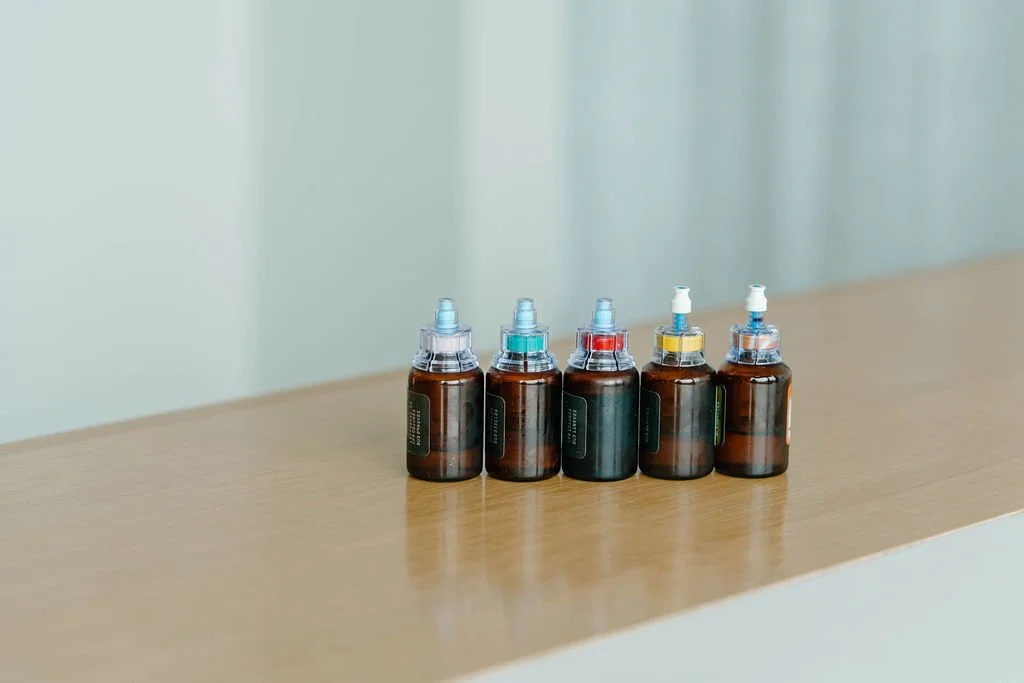
If you have been researching cancer options for more than a week, you have run into high-dose IV vitamin C. It is one of the most searched and most oversold therapies in this space. The honest summary: high-dose IV vitamin C is not a cancer treatment, the trial evidence for it extending survival is not established, and the reason clinics like ours use it is a narrower one, which is supportive care and quality of life during treatment. That is the frame for everything on our cancer care support page, and it is the frame here.
Why IV vitamin C is different from taking vitamin C pills
This part is real and it is worth understanding.
Vitamin C taken by mouth hits a ceiling. Your gut can only absorb so much of it, and past a certain point you get diminishing returns and loose stools rather than higher blood levels. Given intravenously, it bypasses the gut and reaches plasma concentrations that oral dosing simply cannot produce.
So when someone says "I already take vitamin C," they are not describing the same thing. The delivery route changes what is pharmacologically possible. Whether those higher concentrations produce a clinical benefit in cancer is the separate question, and that is where the picture gets murkier.
What the research actually supports
Here is where we try to be more careful than most of what you will read online.
The strongest signal in the published research is around tolerability and quality of life during conventional treatment. Several small studies and case series have reported that patients receiving high-dose IV vitamin C alongside chemotherapy described fewer quality-of-life complaints. Those studies are small, some are not blinded, and the field has not produced the large trials that would settle it.
What the research does not support is any claim that IV vitamin C cures cancer, shrinks tumors, or replaces chemotherapy, radiation, surgery or immunotherapy. Sites that imply otherwise are misreading early laboratory work as clinical proof. We covered the evidence in more detail in IV vitamin C for cancer support: what the research actually shows.
If that reads as underwhelming, we understand. But feeling more like yourself during a brutal treatment stretch is not a small thing, and it is a claim we can make honestly.
Where glutathione fits, and where it does not
Glutathione is a different molecule doing a different job. Your body makes it, and it is central to how cells handle oxidative stress and how the liver processes things it needs to clear.
In supportive care it comes up for patients dealing with a high oxidative load. Like vitamin C, the IV route matters, because oral glutathione is largely broken down before it gets anywhere useful. We wrote about that difference in glutathione IV vs oral glutathione.
The important caveat: glutathione is an antioxidant, and there is an unsettled clinical debate about whether antioxidants given close to certain chemotherapy or radiation should be spaced away from those treatments. Our providers do not treat that as a solved question. We ask about your protocol and we ask you to clear the timing with your oncologist. If your oncologist wants it spaced out or skipped, that is what happens.
The screening nobody mentions in the ads
High-dose IV vitamin C is not appropriate for everyone, and the screening is not optional.
G6PD deficiency is the one people have usually never heard of. It is an inherited enzyme condition, more common in some populations than others, and high-dose vitamin C can cause a serious problem in someone who has it. Screening for it beforehand is standard practice and we do not skip it.
Kidney function matters too, as does whether you have a history of certain kinds of kidney stones. Fluid volume is a consideration for patients with heart or kidney conditions. This is why lab testing comes before therapy rather than after, and why a clinic that offers you a high-dose infusion on a walk-in basis should worry you.
We would rather tell you on the phone that you are not a candidate than find out halfway through. Call (918) 265-4811 if you want to know where you stand before you book anything.
How this looks in practice at our Owasso clinic
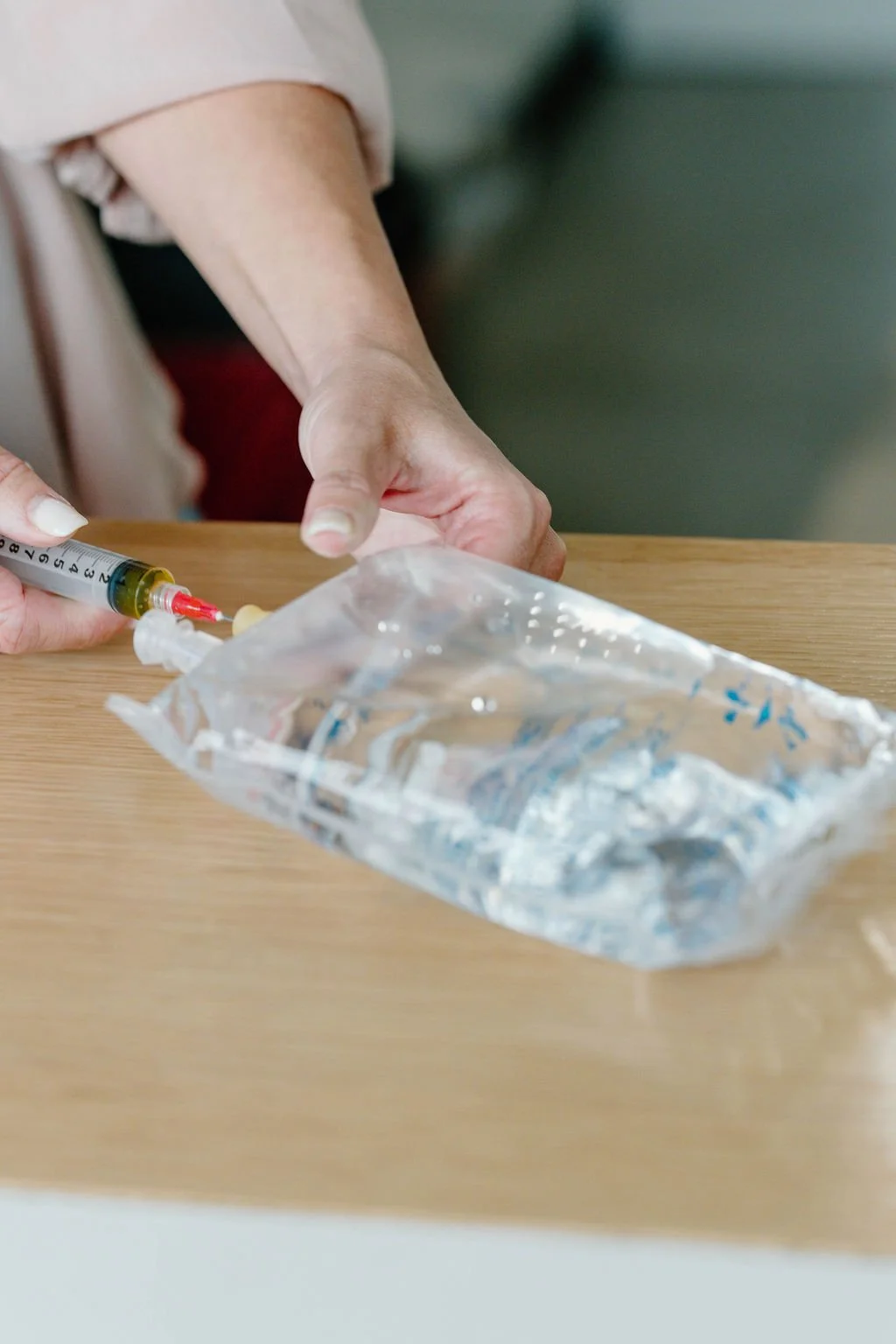
The sequence is the same for most patients: labs first, then a plan our providers build around what those labs show and where you are in your treatment cycle, then the therapy itself if it is appropriate. Sessions for high-dose protocols run longer than a standard wellness drip, so plan for the time.
Patients come to us from across the Tulsa metro for this, often because their oncology care is downtown and they would rather not add another long drive to a treatment week. The specific therapies and who they suit are laid out on our advanced IV therapy page.
If you want to talk it through with someone who will tell you the limits as well as the possibilities, book a consultation or call (918) 265-4811.
Frequently asked questions
Does high-dose IV vitamin C treat cancer? No. It is not a cancer treatment and we do not offer it as one. It is used in supportive care, and the research signal that exists is about quality of life during conventional treatment, not about survival.
Can I have IV vitamin C on the same day as chemotherapy? That is a question for your oncologist. Timing around chemotherapy is an open clinical discussion and it varies by protocol. We will not schedule around your treatment without knowing what your oncology team advises.
Why do I need labs before a vitamin C infusion? G6PD deficiency and kidney function both affect whether high-dose vitamin C is safe for you. Screening first is standard, and any clinic skipping it is cutting a corner that matters.
Is glutathione the same thing as vitamin C? No. They are separate compounds with separate roles. Some plans include one, some include both, and some include neither depending on what your labs and your treatment schedule support.
How long does a high-dose infusion take? Longer than a standard wellness drip. Call us for current session times so you can plan your day around it.
