
Effective Migraine IV Therapy for Rapid Headache Relief
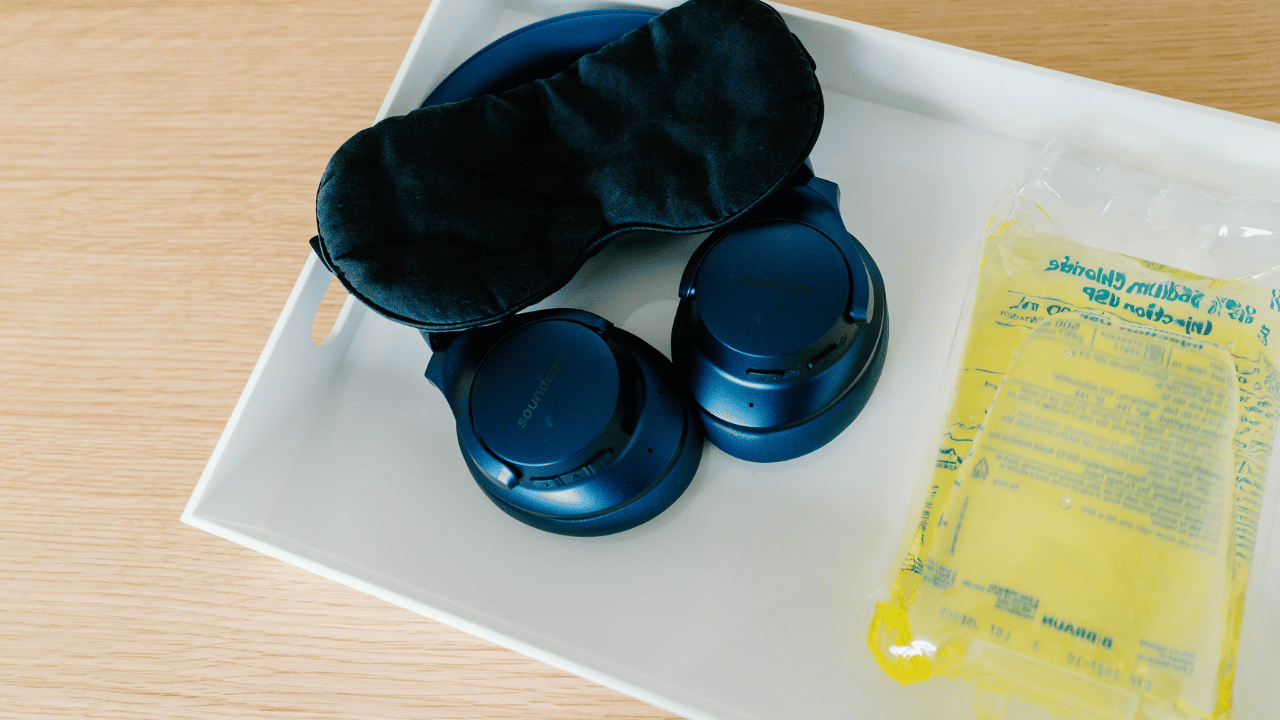
IV (intravenous) therapy for migraines delivers fluids, vitamins, minerals, and medications straight into your bloodstream so relief can start sooner than with pills. This guide walks through what migraines are, why IV delivery speeds time-to-relief, the ingredients commonly used in migraine-specific infusions, and how complementary wellness services support both immediate attacks and longer-term prevention. You’ll find clear expectations for an infusion visit, the science behind key nutrients and medicines, and practical answers about safety, frequency, and who may benefit. We also explain how personalized, medically supervised IV nutrition fits into a broader functional medicine plan so you can decide whether IV therapy belongs in your migraine care toolkit.
TL;DR
IV therapy delivers rapid migraine relief by bypassing digestion, sending fluids, nutrients, and medications directly into your bloodstream.
Common ingredients include Magnesium (for pain and deficiency), B vitamins & Vitamin C (for energy and antioxidants), anti-nausea, and anti-inflammatory medications.
Benefits include faster symptom relief (often within minutes), rehydration, and personalized treatment compared to oral meds or emergency visits.
Sessions involve medical screening, a monitored infusion (30-90 minutes), and aftercare instructions in a comfortable, spa-like setting.
It's generally safe when medically supervised; frequency is tailored for acute relief or long-term prevention.
Good candidates are those with severe attacks, significant nausea, or inadequate relief from oral treatments.
Holistic services like infrared sauna, red light therapy, and Functional Medicine complement IV therapy for long-term prevention by addressing root causes.
What Are Migraines and How Can IV Therapy Provide Relief?
Migraines are a neurological condition marked by recurring moderate-to-severe head pain often paired with nausea, light and sound sensitivity, and reduced ability to function. IV therapy can shorten an attack by rehydrating you, correcting nutrient shortfalls, and delivering anti-nausea or anti-inflammatory drugs directly into circulation. Migraines stem from a mix of genetics, metabolic and hormonal factors, plus immediate triggers like dehydration, poor sleep, stress, certain foods, and low magnesium. Because IV treatment bypasses the gut, therapeutic levels are reached faster, especially helpful when nausea or vomiting keep you from taking medicines by mouth. Faster drug and nutrient delivery often means quicker pain relief, better symptom control, and a higher chance of keeping fluids and meds in during a severe episode. Knowing how IV therapy works helps you see when it’s likely to help and how it pairs with prevention strategies.
What Causes Migraines and What Are Their Common Symptoms?
Migraines come from complex brain network changes involving blood vessel behavior, neuroinflammation, and altered neurotransmitters. Causes vary by person and usually mix genetic risk with modifiable triggers, sleep disruption, hormonal shifts, dehydration, and nutritional gaps are common offenders. Typical symptoms include moderate-to-severe, often one-sided, throbbing pain with nausea, vomiting, light sensitivity (photophobia), sound sensitivity (phonophobia), and sometimes visual aura or other sensory changes. Spotting your symptom pattern helps distinguish migraines from tension headaches or other causes and guides treatment choices: some attacks respond to oral or intranasal meds, while those with relentless nausea or dehydration can benefit from IV approaches. Identifying triggers such as low fluid intake or magnesium deficiency lets clinicians target therapy to reduce both attack intensity and frequency.
How Does IV Therapy Work to Alleviate Migraine Symptoms Quickly?
IV therapy skips digestion and absorption, sending fluids, electrolytes, vitamins, and medicines directly into the bloodstream so therapeutic levels arrive in minutes instead of hours. For migraines, that means magnesium, B vitamins, anti-nausea agents, and anti-inflammatory medicines can act quickly on blood vessel tone, neurotransmitters, and inflammatory pathways that generate pain. Rehydration restores blood volume and electrolytes, supporting better cerebral perfusion and easing a common trigger for worse headaches. Because IV delivery is immediate and controllable, clinicians can tailor formulations and adjust dosing in real time based on how you respond, increasing the chance of noticeable symptom relief during the same visit and improving overall comfort.
What Ingredients Are in the WellSpot IV Migraine Cocktail and How Do They Help?
Clinical migraine infusions pair rehydration with targeted nutrients and symptom-focused medications to address pain, nausea, inflammation, and deficiency states. Which ingredients we include depends on your symptoms and medical assessment. Personalization is routine, medical oversight determines whether anti-nausea or anti-inflammatory drugs are added to a nutrient-focused infusion.
Seeing ingredient roles side-by-side clarifies why some infusions focus on nutrient repletion while others pair nutrients with symptom-directed medicines, both approaches can be combined to optimize results. Below we take a closer look at magnesium because it’s central to many migraine protocols.
How Does Magnesium in IV Therapy Reduce Migraine Pain?
IV magnesium works on blood vessel smooth muscle and central neurotransmission, producing vasodilation and modulating NMDA receptor activity to lower neuronal excitability during an attack. Magnesium deficiency is linked to higher migraine risk, so rapid IV repletion corrects cellular shortfalls that perpetuate pain pathways and can shorten the duration of an attack. Clinical experience and reviews show IV magnesium often decreases headache intensity and related symptoms such as aura and light sensitivity when given early. Many patients report meaningful improvement within 15–45 minutes, and magnesium’s role in both acute relief and prevention makes it a foundational option in targeted migraine IV therapy.
Magnesium's Role in Migraine Pathophysiology and Treatment
Magnesium (Mg) is essential for normal neuronal function and helps preserve the electrical stability of nerve cells. Lower magnesium levels in blood and cerebrospinal fluid have been associated with migraine, and deficits may contribute to migraine development. Magnesium has been used both to prevent and to treat migraine attacks. This review summarizes magnesium’s role in migraine biology and discusses potential uses in prevention and treatment, including delivery considerations.
The role of magnesium in pathophysiology and migraine treatment, R Rikhtegar, 2020
What Role Do B Vitamins and Vitamin C Play in Migraine Relief?
B vitamins, notably riboflavin (B2), support mitochondrial energy production, which matters because mitochondrial dysfunction is implicated in migraine biology. Improving cellular energy can reduce metabolic stress on neurons and lower attack frequency over time. Vitamin C adds antioxidant support, scavenging reactive oxygen species that contribute to neuroinflammation and heightened pain sensitivity during attacks. In the acute IV setting, bolus B vitamins and vitamin C complement fluids and analgesic measures by addressing metabolic and oxidative contributors to pain, while ongoing supplementation can be part of a preventive plan to reduce overall migraine burden.
How Do Anti-Nausea and Anti-Inflammatory Medications Enhance Migraine IV Drips?
Adding an anti-nausea medicine to an IV infusion quickly controls vomiting and severe nausea, which helps you keep fluids and follow-up oral medications when needed. Intravenous anti-inflammatory agents target prostaglandin-driven pain and can reduce peripheral and central sensitization that prolongs migraine pain. Clinician judgment, informed by your history and contraindications, guides whether these medications are included. When appropriate, they often speed symptom control for severe attacks that don’t respond to oral options.
Why Is Hydration Important in IV Therapy for Migraines?
Saline and electrolyte replacement immediately restore blood volume, improve circulation, and correct imbalances that commonly trigger or worsen headaches. Rehydration improves cerebral blood flow, reduces hemoconcentration, and supports cellular metabolism, changes that together lessen migraine intensity for many people. After an infusion, practical aftercare like steady oral fluids, electrolyte-rich foods, and symptom monitoring helps sustain improvement and lower the risk of recurrence. Good hydration also enhances nutrient and medication delivery during the infusion, increasing their effectiveness.
What Are the Benefits of IV Therapy for Migraine Relief Compared to Other Treatments?
IV therapy reaches higher therapeutic levels faster than oral medicines, often producing symptom relief within minutes to under an hour, and allows rehydration, nutrient repletion, and targeted medications in a single supervised visit. Compared with emergency department care, clinic-based IV therapy can be more personalized, quicker, and focused on migraine-specific nutrient strategies as well as symptom control. When used as part of a prevention plan, IV nutrient repletion addresses contributors like magnesium deficiency and mitochondrial dysfunction and complements standard preventive medications that work over weeks to months. This comparison shows IV therapy’s place between routine oral care and emergency treatment: it delivers rapid, targeted relief with a migraine-focused approach. If you want a clinic option that combines quick symptom control with personalized nutrient strategies, WellSpot IV offers medically supervised migraine infusions in a comfortable, wellness-centered setting. Below we explain what a typical session looks like so you know what to expect.
What Should You Expect During a Migraine IV Therapy Session at WellSpot IV?
Your visit starts with scheduling and a focused medical intake to review symptoms, medical history, and current medications, this screening shapes safe formulation choices and the infusion plan. On arrival, clinicians perform a brief consultation and obtain informed consent before treatment, ensuring decisions like including anti-nausea or anti-inflammatory medications are individualized. During the infusion, staff monitor vital signs and symptom response while you relax in a spa-like treatment area designed for comfort and privacy; total session time varies by formulation and delivery method. After the infusion, clinicians provide aftercare instructions and discuss follow-up or maintenance strategies, and they may recommend lab testing or complementary services to guide long-term prevention. This patient-centered flow supports both immediate symptom control and planning to reduce future attacks.
This step-by-step outline clarifies the patient journey from arrival to discharge and sets realistic timing expectations for symptom improvement and next steps. The clinic’s supportive environment and medical oversight make the process manageable, even during a difficult attack.
How Is the Migraine IV Therapy Administered and How Long Does It Take?

Treatment typically uses a peripheral IV catheter for an infusion or, for certain anti-nausea meds, a carefully dosed IV push. The method depends on the medications, desired infusion rate, and your venous access. Total visit time usually ranges from about 30 to 90 minutes, including setup, infusion, and brief observation. Many patients notice symptom relief within 15–45 minutes after the infusion starts. Practical tips: arrive a few minutes early for intake, stay as hydrated as you can beforehand, and arrange someone to drive you if you feel unsteady after a severe attack. Clear communication with our clinical team before your visit helps set accurate expectations about administration and timing.
What Makes the WellSpot IV Clinic Environment Comfortable and Supportive?
WellSpot IV combines medical expertise with a spa-like atmosphere to lower stress and make treatment easier to tolerate. The clinic features private or semi-private treatment areas, calming amenities, and staff trained to support patients with sensory sensitivity. Care is delivered under functional medicine principles by the founder, Courtney Garner, APRN, CNP, a double-board certified Family Nurse Practitioner and Functional Medicine Practitioner, ensuring clinical skill in nutrient-based strategies and medication use. In addition to IV therapy, we offer IM injections, IV quick pushes, advanced wellness lab testing, and an infrared sauna with red light therapy to support recovery and prevention. This blend of clinical rigor and a supportive setting helps patients tolerate treatment and engage in follow-up plans for long-term migraine management.
What Are the Most Common Questions About IV Therapy for Migraine Relief?
People often ask about safety, how often they can receive treatment, cost, and whether they’re good candidates for IV migraine therapy. Below are concise answers to those practical concerns to help you decide whether to pursue care. Safety depends on proper screening, clinician oversight, and appropriate medication and dose selection; most side effects are mild and localized, like temporary vein irritation, while serious complications are rare when standard precautions are followed. Frequency varies: acute infusions can be used as needed for severe attacks; preventive schedules are personalized based on response, labs, and goals. Cost depends on formulation complexity and any add-on services; we provide transparent pricing during consultation. If IV therapy seems like it might fit your needs, booking an initial consultation is the best way to explore personalized options.
Below are common, practical questions and short, clear answers to help you make an informed choice about treatment.
Each response focuses on decision-relevant information to reduce uncertainty and next-step friction.
Is IV Therapy Safe for Treating Migraines?
When administered by trained clinicians after a medical screening, IV therapy is generally safe. Safety depends on careful patient assessment, appropriate formulation selection, and monitoring during the infusion. Most reactions are minor and local, transient vein soreness or flushing, while serious systemic events are uncommon when protocols are followed. Patients with complex medical histories receive individualized evaluation; clinicians may modify or decline treatments if risks outweigh benefits. Medical oversight at the clinic reduces risk and is why supervised IV therapy is preferred over unsupervised or unregulated options in many cases.
How Often Can You Receive Migraine IV Therapy?
Frequency depends on whether the goal is acute relief or part of a preventive plan. Acute infusions can be used as needed for severe episodes; maintenance schedules for prevention are tailored based on clinical response, lab results, and overall treatment goals. Clinician oversight ensures safe spacing between medication-containing infusions and helps prevent overuse of specific agents. Some people use IV therapy intermittently for breakthrough episodes while following preventive strategies like nutrient repletion and lifestyle changes to reduce dependence on acute care. Discussing your goals and past responses with a clinician will help set an appropriate schedule.
What Is the Cost of Migraine IV Therapy at WellSpot IV?
Price varies by the ingredients included, simple rehydration and nutrient-only infusions cost less than combinations that include anti-nausea or anti-inflammatory medications, and any extra testing or complementary services will affect the total. Because formulations are individualized, we provide transparent pricing during consultation and explain how different options fit clinical goals and budgets. For many patients, rapid relief, medical oversight, and the possibility of avoiding emergency visits make the service valuable, especially when paired with preventive planning. If cost is a concern, ask the clinic about introductory options or a focused consultation to assess benefit. Please contact the clinic for straightforward pricing and scheduling details.
Who Is a Good Candidate for Migraine IV Therapy?
Good candidates typically include people with severe acute migraine attacks accompanied by significant nausea or vomiting, those who do not get adequate relief from oral medications, and patients suspected to have nutrient deficiencies that worsen migraine burden. People with specific medical contraindications or unstable health conditions require a full evaluation before treatment; clinician screening identifies those situations. IV therapy can also be part of a broader preventive program when combined with lab-guided nutrient repletion and functional medicine strategies. If migraines disrupt your daily life, a conversation with a qualified clinician can determine whether IV therapy fits your care plan.
How Can Holistic Wellness Services Complement IV Therapy for Migraine Management?
Holistic wellness services support IV therapy by addressing stress, inflammation, circulation, and metabolic contributors to migraine, helping both immediate recovery and long-term prevention. Infrared sauna and red light therapy promote relaxation, improve circulation, and may lower systemic inflammation, all of which can reduce attack likelihood when used consistently. Functional medicine connects these services with lab testing and individualized lifestyle, nutrition, and supplement plans that address root causes like nutrient deficiency, hormonal imbalance, and chronic inflammation. Combining these modalities with targeted IV therapy creates a pathway: acute relief during attacks followed by proactive measures to reduce recurrence and improve quality of life.
What Role Does Infrared Sauna and Red Light Therapy Play in Migraine Prevention?
Infrared sauna and red light therapy are adjunctive tools that support prevention mainly through stress reduction, better circulation, and anti-inflammatory effects. Regular sessions may improve relaxation and sleep quality, both important for lowering migraine frequency, and enhanced circulation can support metabolic recovery and nutrient delivery at the tissue level. These therapies are complementary rather than primary treatments and are best used as part of a coordinated plan that includes nutrient repletion, lab-guided interventions, and lifestyle changes. Used consistently, they can help reduce the number and severity of attacks over time.
How Does Functional Medicine Support Long-Term Migraine Relief?
Functional medicine focuses on identifying and addressing root contributors, nutrient deficiencies, hormonal imbalance, chronic inflammation, and lifestyle factors, through targeted testing and individualized interventions. The process starts with intake and lab evaluation, moves to tailored nutrient and lifestyle recommendations (which may include periodic IV or IM therapy), and continues with outcome monitoring and iterative adjustments. This lab-driven, personalized strategy aims to reduce attack frequency and severity by fixing underlying drivers rather than only treating symptoms, making it a strong complement to acute IV therapy for people seeking sustained migraine control.
If you’re ready to explore personalized care, WellSpot IV pairs medically supervised IV therapy with advanced wellness lab testing and complementary modalities to support both immediate relief and long-term prevention, demonstrating the value of integrated care and inviting you to schedule a consultation to design an individualized plan.
Key steps to integrate IV therapy into a prevention plan: Assessment: Start with a focused clinical intake and relevant lab tests to identify deficiencies and triggers. Targeted therapy: Use individualized IV or IM nutrient repletion and symptom-directed medications as indicated. Adjunctive care: Add lifestyle changes, sauna/red light therapy, and ongoing monitoring to reduce recurrence.
Core benefits of combining modalities: Faster acute relief through IV delivery.Root-cause targeting with lab-guided supplementation.Improved resilience from wellness therapies that lower inflammation and stress.
Next practical steps for patients: Track migraine patterns and triggers to guide targeted testing.Share past medication responses and current symptoms with a clinician.Book a consultation to review IV options and complementary services.
This section connects acute management to durable solutions and shows how coordinated care improves outcomes while keeping safety and individualization central.
These summaries show how each element contributes to turning short-term symptom control into longer-term prevention.
This guide covered migraine basics, IV mechanisms, ingredient actions, comparative benefits, session expectations, FAQs, and complementary wellness approaches so you can make an informed choice about IV therapy. If you’re considering IV treatment or want a personalized plan that pairs rapid relief with long-term prevention, WellSpot IV in Owasso, OK offers medically supervised IV nutrition and wellness services, book a consultation to review options and schedule care that fits your goals.
Adios Migraine
IV therapy can deliver fast relief from migraine symptoms by putting essential nutrients and medications directly into the bloodstream, addressing both acute pain and underlying deficiencies. When personalized and medically supervised, this approach eases immediate discomfort and supports long-term wellness through targeted nutrient repletion. If you’re seeking effective migraine management, exploring IV therapy at WellSpot IV may be an important step toward regaining control and improving quality of life. Schedule a consultation to learn how our services can support your migraine care plan.
