
Discover Sauna Detoxification Benefits with Infrared Heat
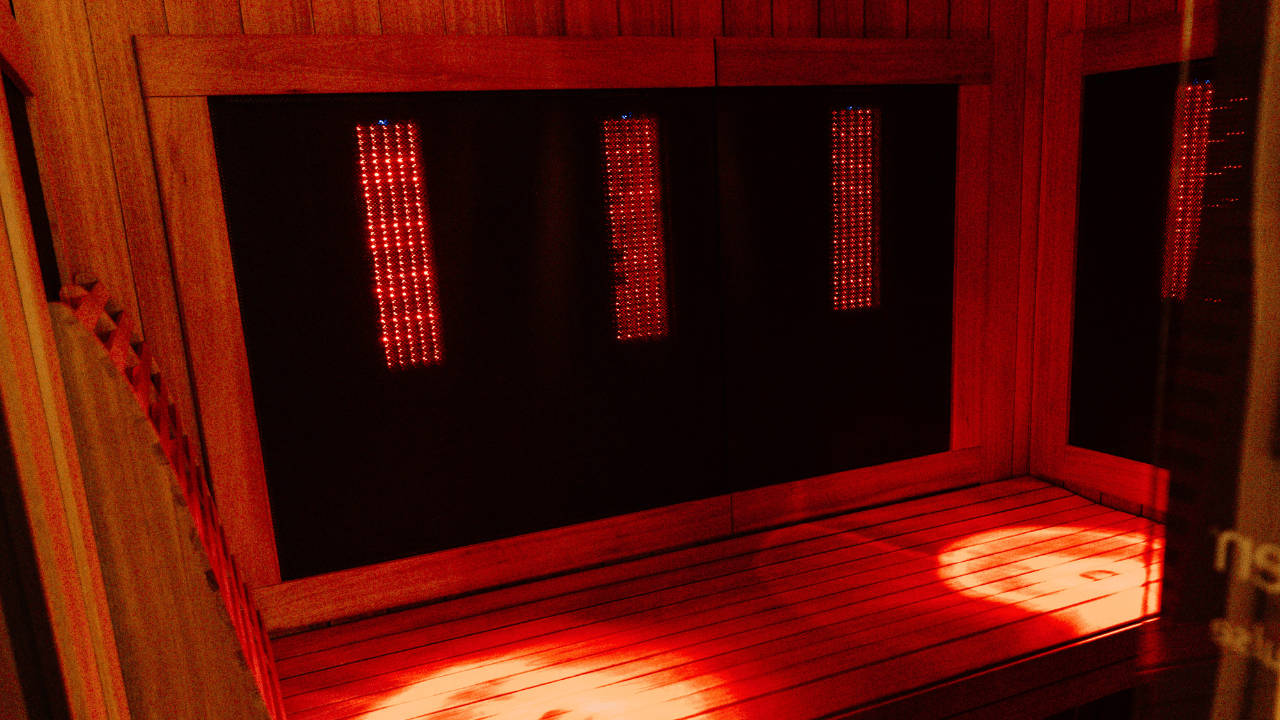
Infrared saunas use radiant heat to gently raise core and tissue temperatures and trigger sweating, a natural pathway that can support detoxification and overall wellness. This piece breaks down how infrared heat penetrates tissue differently than convective (traditional) heat, the physiological steps that move compounds into sweat, and safe, practical protocols to get results without unnecessary risk. Readers commonly ask about session frequency, hydration, and how infrared compares with traditional saunas, exercise, or clinical detox tools. We answer those questions with an evidence-focused, practical approach: summarizing key studies, noting limitations, and offering clear, actionable guidance. Sections follow the questions most people search for: core benefits, how sauna-based detox works, effects on wellness and immunity, safety guidelines, the science, and direct comparisons to other detox methods.
TL;DR
Infrared saunas use radiant heat to support detox and overall wellness through sweating.
This guide explains how infrared heat works, its physiological effects, and safe protocols.
It addresses common questions about frequency, hydration, and comparisons to other detox methods.
The content is evidence-focused, summarizing studies and providing actionable advice.
Key sections cover benefits, detox mechanisms, wellness, immunity, safety, science, and comparisons.
Key Benefits of Infrared Sauna Detoxification
Infrared sauna use brings several linked benefits by warming peripheral tissues and increasing sweat. That process can mobilize water-soluble compounds, improve circulation, and promote relaxation. Vasodilation and a modest rise in heart rate during a session support short-term circulatory gains and can help clear skin surface debris. Many people also report deeper relaxation and better sleep after regular sessions. Metabolic effects are mild for example, a small uptick in calorie burn during heat exposure but combined with other healthy habits they add to overall wellness. These responses define both the realistic upside and the limits of sweat-based detox.
Below is a concise summary of the primary benefits, the mechanisms behind them, and what you can expect.
Different benefits arise from distinct mechanisms and produce predictable outcomes that help guide session planning.
Sauna use offers several potential health and wellness benefits, including detoxification support, improved circulation, relaxation, and enhanced skin health, each achieved through specific physiological mechanisms.
Detoxification and Circulation
The perceived Detox Support from sauna use is achieved through the Mechanism of sweat-mediated removal of water-soluble compounds from the body. The Expected Outcome is short-term reductions in some sweat- or serum-detectable compounds. However, it is important to note that this is a supportive not a sole detox strategy. For Circulation, the Mechanism involves vasodilation and elevated heart rate. This leads to the Expected Outcome of improved peripheral blood flow and possible temporary blood-pressure effects as the body works to cool itself down.
Relaxation and Skin Health
The powerful feeling of Relaxation comes from the Mechanism of parasympathetic activation and endorphin release triggered by the heat. The Expected Outcome for users is lower perceived stress, improved sleep quality, and better mood for many users. Lastly, Skin Health is enhanced because the Mechanism of sweat flushes surface debris and increases local perfusion (blood flow). This results in the Expected Outcome of fresher-feeling skin and potential gradual improvements in tone and texture with regular use.
After looking at benefits and mechanisms, many people ask whether clinic-based hydration or nutrient support can improve recovery and detox outcomes. Below we outline the practical steps by which infrared heat supports body cleansing.
How Infrared Saunas Help with Sweat-Based Detoxification
Infrared panels emit radiant energy that penetrates the skin and warms underlying tissues, increasing local blood flow and activating eccrine sweat glands. Sweat is mostly water and electrolytes, but it can also carry trace metals, organic molecules, and other small compounds mobilized from tissues. How much of a given substance appears in sweat depends on its solubility, where it’s stored in the body, and how effectively the liver and kidneys process and clear mobilized material. Recent studies suggest sweat can be a supplementary route for excreting some heavy metals and pollutants but sweating alone rarely completes elimination without metabolic processing and organ-based clearance.
Emerging studies are clarifying how sweat contributes to the elimination of certain inorganic ions and heavy metals.
Infrared Sauna Sweat Excretion of Inorganic Ions and Heavy Metals
Sweat produced during sauna use can help remove accumulated inorganic ions, including certain heavy metals. In this study, researchers measured toxic and nutrient elements excreted in sweat after use of a water-filtered infrared-A (wIRA) sauna via inductively coupled plasma sector field mass spectrometry. They analyzed eight toxic elements (Al, As, Be, Cd, Ni, Pb, Ti, Hg) and 10 nutrient elements (Ca, Co, Cr, Cu, Fe, Mg, Mn, Se, V, Zn), and examined correlations. Sweat from 22 participants using the wIRA sauna showed higher inorganic ion concentrations than sweat from conventional activities like exercise or wet saunas, with higher concentrations of some toxic elements in females compared with males. Correlation analysis revealed linked patterns of element discharge, suggesting implications for nutritional supplementation when using wIRA sauna for detoxification.
Knowing what’s in sweat helps explain why infrared saunas are best used as an adjunct to, not a replacement for, systemic detox pathways which leads into the broader health effects of regular sauna use.
Health Effects Seen with Regular Infrared Sauna Use
Regular infrared sessions are linked with better subjective relaxation and sleep, and measurable circulatory changes such as temporary reductions in vascular resistance and improvements in endothelial function. Small clinical and observational studies report lowered blood pressure and reduced cardiac workload in some groups, plus faster recovery and less muscle soreness after exercise. Skin benefits come from improved perfusion and sweat-mediated cleansing. Metabolic changes are usually modest but, when combined with healthy lifestyle choices, can add up. Study quality varies, however: many are small or observational, so results are supportive but not definitive.
Beyond detox claims, consistent sauna bathing has been associated with cardiovascular and general health benefits in several studies.
Health and Cardiovascular Benefits of Regular Sauna Exposure
People commonly use saunas for relaxation, stress relief, pain management, and social time. Emerging evidence also links sauna bathing with heart-health benefits: regular sauna use has been associated with lower rates of hypertension, fatal cardiovascular events, sudden cardiac death, stroke, neurodegenerative disease, and all-cause mortality. Epidemiological studies show larger reductions in cardiovascular risk with frequent sessions (for example, 2–3 times per week) and sessions of at least about 20 minutes. For many saunas, a session longer than 10–15 minutes is needed to raise heart rate above 100 bpm, while benefits often appear around 25–30 minutes when heart rate approaches 120 bpm. Clinical trials in people with cardiovascular risk factors found 30-minute sessions improved systolic and diastolic blood pressure and, in some studies, arterial stiffness. In heart-failure patients, sauna sessions reduced blood pressure, increased cardiac and stroke indexes, lowered systemic vascular resistance, and improved ejection fraction. These effects may relate to reduced oxidative stress and increased nitric oxide production, improving vascular relaxation and flow. Short courses of far infrared sauna therapy have also shown improvements in blood pressure, vascular function, fasting glucose, body weight, and body fat in some small studies.
These physiological responses help explain how sauna routines fit with other health strategies we cover that next in the section on how detox sauna therapy actually works.
How Detox Sauna Therapy Works for Body Cleansing
Detox sauna therapy follows a clear physiological sequence: radiant heat raises tissue temperature → blood vessels dilate and cardiac output increases → sweat glands activate and produce sweat → certain compounds are mobilized from interstitial stores → those compounds are excreted through skin and further processed by the liver and kidneys. This cascade links thermoregulation, circulation, and excretory function. The skin and lymphatics move interstitial fluid and support immune surveillance, while renal and hepatic systems handle many mobilized molecules. Session variables temperature, duration, and hydration shape how intense each step is and determine the balance between benefit and strain.
Here are simple, actionable steps that summarize the body-cleansing sequence.
Warm-Up (Heat Penetration): Infrared energy raises core and peripheral tissue temperature to activate natural heat responses.
Circulatory Activation: Heart rate increases and peripheral vasodilation improve blood distribution and capillary perfusion.
Sweating & Excretion: Eccrine glands produce sweat, helping remove water-soluble compounds and clearing skin surface debris.
These steps show how protocol choices affect outcomes and help when comparing infrared with traditional saunas and other detox options below.
How Infrared Saunas Differ from Traditional Saunas
Infrared saunas deliver radiant heat that penetrates deeper tissues at lower cabin temperatures, while traditional saunas heat the air (convective heat) and typically run hotter. Users often find infrared cabins more comfortable for longer sessions because the air feels milder while tissues still warm. Radiant heating can influence local circulation and comfort differently than high-temperature, high-humidity environments. In short: infrared is usually better for longer, gentler sessions; traditional saunas are better for short, intense heat exposure.
Those modality differences also affect which toxins are likely to be mobilized, a topic we cover next.
Which Toxins Can Infrared Saunas Help Remove?
Research has detected certain metals (for example, lead and cadmium), bisphenol compounds, and some organic pollutants in sweat, indicating sweat can play a role in excreting select environmental toxins. Evidence is stronger for some heavy metals than for lipophilic persistent organic pollutants, which are stored in fat and typically require metabolic processing before effective elimination. The liver and kidneys remain the main elimination routes for many compounds, so sweating complements rather than replaces those systems. View infrared sessions as a way to mobilize substances for downstream metabolic clearance not as a standalone cure-all.
How Infrared Sauna Supports Wellness and Immune Health
Infrared exposure affects several systems tied to wellness and immune resilience: it can shift autonomic balance toward parasympathetic dominance after a session, promote circulatory adaptations that improve tissue perfusion, and transiently influence immune markers via heat shock protein induction. Heat acts as a controlled cellular stressor that can upregulate repair pathways, and repeated sessions produce conditioning effects similar to mild cardiovascular exercise. These mechanisms help explain benefits for stress reduction, sleep, and possibly immune support though isolated immune claims should be interpreted cautiously because study designs vary. Used as part of a broader wellness plan, sauna sessions can amplify positive effects while minimizing risk.
When paired with recovery and immune support, clinical hydration and nutrient therapies can be complementary. Targeted clinic-based rehydration and nutrient support help optimize recovery and detox pathways WellSpot IV offers IV therapy and wellness services to replenish fluids and electrolytes after sessions and support immune recovery. Consider scheduling a clinic visit to coordinate sauna and recovery care: book an appointment.
The immune and circulatory benefits also suggest practical steps to maximize relaxation and recovery, discussed below.
Stress Reduction and Relaxation Benefits
Infrared sessions encourage relaxation through parasympathetic activation, endorphin release, and reduced sympathetic drive, which many people experience as lower stress and anxiety. The session ritual quiet time, steady breathing, and warmth supports mindfulness and often improves sleep that night. At a cellular level, heat shock proteins and altered cytokine signaling may help mood and resilience, though individual responses vary. To get the most relaxation, combine controlled breathing, a gentle cool-down, and a consistent schedule to support autonomic balance.
These relaxation effects are closely tied to improved circulation and skin outcomes discussed next.
Circulation and Skin Health
Infrared-induced vasodilation brings more blood to skin and peripheral tissues, improving nutrient delivery and speeding the removal of metabolic waste processes that support recovery and can help skin look and feel healthier. Increased perfusion plus sweat-mediated cleansing reduces surface debris and supports epidermal turnover, often resulting in clearer-feeling skin over time. Some studies note modest vascular improvements with repeated exposure, though stronger long-term dermatology trials are needed. Overall, infrared saunas can be a useful adjunct for people focused on circulation and skin maintenance.
Next, we cover safe, practical protocols for getting the most benefit from infrared sessions.
Best Practices for Infrared Sauna Detoxification
Effective protocols balance session intensity with hydration, electrolyte management, and individual health considerations to maximize benefits and limit risk. For many healthy adults, that means starting at moderate temperatures with gradually increasing session lengths, keeping well hydrated before and after, and watching for signs of overexposure. Contraindications for example, unstable cardiovascular conditions or pregnancy require caution and medical clearance. Build a consistent routine that includes cool-downs, electrolyte replacement, and rest to support sustainable practice and better outcomes.
Use this short checklist as a practical guide to safe, effective infrared sauna use.
Frequency & Duration: Begin with 10–20 minute sessions 2–3 times per week; progress toward 30–40 minutes only if well tolerated.
Hydration: Drink water and consider electrolyte replenishment before and after sessions; use urine color and thirst as basic rehydration checks.
Precautions: Avoid alcohol prior to sessions; stop immediately for dizziness or chest pain; consult a clinician if you take cardiovascular medications.
These steps form a practical protocol for most users. If you want professional hydration or nutrient repletion to support recovery, WellSpot IV offers IV therapy and wellness services that can be scheduled to complement pre- and post-sauna care.
Individual factors determine safe frequency and recovery needs details follow below.
How Often to Use an Infrared Sauna for Detox and Wellness
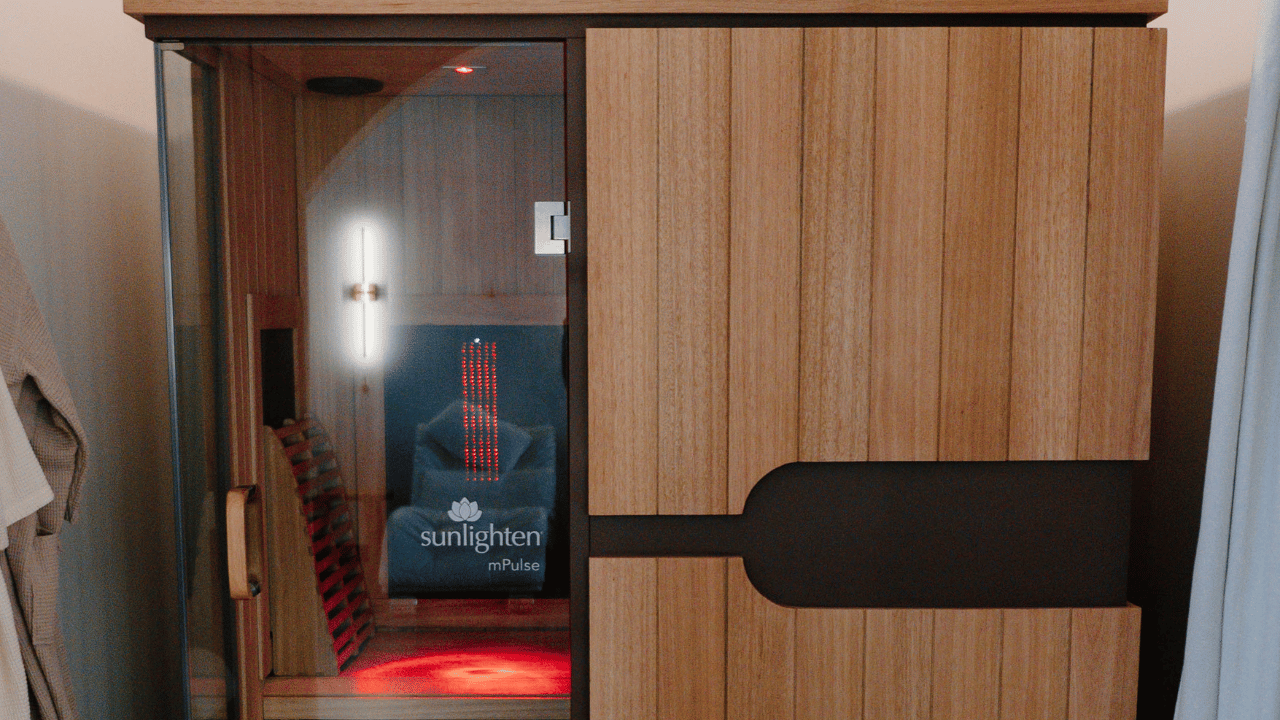
Frequency depends on your health, goals, and tolerance. Many people find benefits from 2–4 sessions per week for circulation, relaxation, and adjunctive detox support. Beginners should start with shorter, less frequent sessions and increase gradually while watching recovery markers like sleep, energy, and hydration. People with active cardiovascular conditions or on certain medications should seek medical advice before regular or prolonged sessions. Signs of overuse include prolonged fatigue, recurring dizziness, or symptoms of electrolyte imbalance if these appear, reduce frequency and focus on rehydration and rest.
A balanced schedule preserves benefits while avoiding unnecessary physiological stress; the next section covers session precautions in more detail.
Precautions During Infrared Sauna Sessions
Key safety measures include hydrating beforehand, limiting session time to your tolerance, avoiding extreme ambient conditions, and monitoring for warning signs such as lightheadedness, palpitations, or excessive fatigue. Pregnant people, individuals with unstable cardiovascular disease, or anyone who is acutely ill should avoid sauna use or get medical clearance first. Keep electrolytes balanced during periods of frequent sweating using whole-food sources or clinical support if needed. If concerning symptoms arise, end the session and seek medical evaluation sauna practice should support recovery, not create risk.
Follow these precautions to protect safety while enjoying sauna benefits; next we summarize the scientific evidence that informs these recommendations.
Scientific Evidence for Infrared Sauna Health Effects
The evidence base includes small randomized trials, observational cohorts, and mechanistic studies suggesting circulatory, metabolic, and subjective benefits from infrared and other sauna modalities, alongside important limitations. Trials often report improvements in blood pressure, vascular function, and symptoms in select populations, but many studies are limited by sample size, duration, or design. Mechanistic work on heat shock proteins, inflammatory markers, and sweat composition offers plausible biological routes, yet causal links to long-term toxin clearance remain tentative. In short: infrared sauna use shows meaningful short-term benefits, but strong evidence for complete detoxification is still emerging.
Studies That Examine Detox Effects of Infrared Saunas
Targeted studies measuring sweat and biomarkers show certain metals and organic compounds appear in sweat after heat exposure, supporting the idea that sweat can be an auxiliary excretory route. Randomized and controlled trials focusing on cardiovascular and metabolic outcomes report modest benefits in selected groups, especially when sauna use is part of a healthy lifestyle. However, many detox claims exceed what current studies directly demonstrate, and large long-term randomized trials specifically testing comprehensive toxin clearance are scarce. Translating study findings into practice means combining sauna use with support for liver and kidney health and appropriate monitoring.
Overall, the evidence supports cautious optimism: infrared saunas produce measurable physiologic effects but are not proven to be standalone, complete detox solutions.
Risks and Limitations of Infrared Sauna Detox Therapy
Known risks include dehydration, electrolyte imbalance, and cardiovascular strain in susceptible people. Limitations relate to variable sweat capacity for clearing different toxin classes and the need for metabolic clearance by the liver and kidneys for many compounds. Long-term elimination of lipophilic persistent organic pollutants is unlikely through sweating alone, and aggressive or unsupervised sauna use can worsen underlying conditions. Research gaps include inconsistent sweat-measurement methods and limited long-term outcome data. Conservative use, good hydration, and medical consultation for at-risk individuals reduce most known risks.
These limits help frame how infrared saunas compare with other detox modalities, discussed next.
Infrared Sauna Detox vs. Other Detox Methods
Infrared saunas have distinct advantages lower ambient temperatures, greater comfort for longer sessions, and radiant deep-tissue warming compared with traditional saunas that use higher air temperatures and convective heat. Exercise mobilizes toxins through increased circulation and lipolysis but relies on metabolic pathways different from heat exposure. Clinical IV therapies deliver targeted hydration and nutrients directly into the bloodstream to support systemic detox and recovery, addressing needs sweating cannot. Each approach has trade-offs in mechanism, time, effect size, and safety; combining methods can be complementary depending on your goals and health status.
Use this pros/cons list to help decide which method or combination fits your needs.
Infrared Sauna: Comfortable longer sessions with deep-tissue warming; ideal for relaxation and supplementary sweat-mediated mobilization.
Traditional Sauna: Intense heat and rapid sweating; suited for short, high-temperature exposures and heat-tolerance training.
Exercise: Metabolic mobilization and cardiovascular conditioning; primary tool for fat loss and lipolysis-driven detox.
IV Therapy: Direct hydration and nutrient delivery; effective for immediate electrolyte and nutrient repletion under clinical supervision.
Choice depends on goals, tolerance, and medical considerations.
Sauna Methods
Both types of sauna use heat to induce a physiological response. An Infrared Sauna uses a Mechanism of radiant heat to cause sweat and vasodilation. A session typically lasts 20–40 minutes. In terms of Safety Considerations, it is generally well tolerated, but users should monitor hydration closely. A Traditional Sauna uses convective/steam heat to cause a more intense sweat. This method is used for a shorter Typical Time of 10–20 minutes but presents higher cardiovascular strain for some users due to the higher ambient temperature.
Non-Sauna Methods
IV Therapy employs a completely different Mechanism through direct IV hydration and nutrients administration. The Typical Time for a session in a clinic is 30–60 minutes. This method requires clinical oversight and a suitability assessment before administration, as it involves an invasive procedure. Exercise utilizes the Mechanism of metabolic activation, which leads to improved circulation and lipolysis. The time is highly Variable. Safety is key, and users should consider joints and cardiac status for some users before engaging in physical activity.
Advantages of Infrared Sauna Compared with Other Therapies
Infrared saunas provide sustained deep-tissue warming at lower air temperatures, improving comfort and adherence for longer sessions. That radiant profile can enhance microcirculation in ways that complement the vascular effects of exercise, making infrared a useful adjunct to training. For people sensitive to extreme heat, infrared is a gentler option than traditional saunas while still promoting sweat. These features make infrared saunas a practical choice for consistent wellness routines focused on stress reduction and supportive detox pathways.
These practical strengths help determine when infrared is the preferred modality explained next.
When to Choose Infrared Sauna Detoxification
Pick infrared sauna use when your priorities are comfort, longer relaxation sessions, microcirculatory support, or adjunctive sweat-based mobilization rather than intense, short heat conditioning. If you want rapid cardiovascular conditioning or very high-heat exposure, traditional saunas or exercise may be better suited. Consider combining infrared with proper hydration, nutrition, and occasional clinical interventions (like IV therapy) for targeted replenishment especially when recovery and tolerance are priorities. This approach aligns modality choice with goals and individual health constraints.
For help integrating these strategies, clinicians and wellness providers can coordinate rehydration and nutrient plans to support recovery and safety after infrared sessions.
WellSpot IV offers IV therapy and wellness services designed to restore hydration and electrolytes after heavy sweating; these professional services can help optimize recovery alongside a sauna routine. For clinic-based guidance, pairing a monitored IV rehydration visit with regular infrared use can provide reassurance and targeted recovery support. Learn more on our blog.
Elevate Your Routine
Infrared sauna therapy is a gentle, effective way to support relaxation, circulation, and skin health through controlled heat exposure. By understanding how sweat-based mobilization works and adopting practical safety steps, you can integrate infrared sessions into a broader wellness plan. If you want to optimize recovery, consider pairing sauna use with professional IV hydration or nutrient support to replenish fluids and electrolytes. Contact us to elevate your routine and help you feel your best.
