
If you have been running on stress for a long time and now feel wiped out, someone has probably told you about adrenal fatigue. The story is appealing: years of stress wore out your adrenal glands, they cannot make enough cortisol anymore, and that is why you are exhausted. It explains a real experience in a tidy way. The trouble is that the tidy part does not hold up. At WellSpot IV in Owasso, we would rather help you find what is actually going on, which is why our chronic inflammation and fatigue support starts with testing, not a label.
What adrenal fatigue gets right
Chronic stress does affect your body. It is not in your head.
Your stress response runs through the HPA axis, a loop between the brain and the adrenal glands that controls cortisol. Long-term stress changes how that system behaves. It is linked with poor sleep, changes in appetite and blood sugar, lower immune resilience, and a heavy, wired-but-tired feeling that many people recognize.
So if you are exhausted after a long stretch of caregiving, work pressure, illness or grief, that connection is real and deserves to be taken seriously.
What it gets wrong
The specific claim, that stress wears out the adrenal glands so they stop producing enough cortisol, has not been shown in research. The Endocrine Society, the main professional body for hormone specialists, has said adrenal fatigue is not a real medical diagnosis. Reviews of the studies that exist have not found a consistent cortisol pattern that separates people with "adrenal fatigue" from people without it.
The saliva cortisol panels often sold to diagnose it are not validated for that purpose. They can show changes, but the changes do not reliably mean what the report says they mean.
That matters for more than accuracy. The bigger problem is what can happen next.
The real risk: treatment you do not need
People diagnosed with adrenal fatigue are sometimes sold adrenal glandular supplements or put on hydrocortisone. Some glandular products have been found to contain actual thyroid or steroid hormones. Taking steroid hormones you do not need can suppress your own adrenal glands, and stopping suddenly can then become dangerous.
If you are taking anything like that now, do not stop on your own. Talk to the prescriber or your physician about tapering safely.
Conditions worth ruling out instead
When someone is chronically exhausted, a lot of treatable causes are on the table. These are the ones worth asking about:
Thyroid problems, especially an underactive thyroid
Iron deficiency or anemia
Low B12 or vitamin D
Sleep apnea, which often goes undiagnosed
Depression or anxiety, which commonly show up as fatigue
Blood sugar problems
ME/CFS, especially if you crash after exertion
Long COVID or other post-viral fatigue
Real adrenal insufficiency, such as Addison's disease
That last one is rare but serious. It causes fatigue, weight loss, low blood pressure, salt craving and darkening skin, and it is diagnosed with specific blood tests by a physician. It can turn into an emergency, so those symptoms are a reason to see your doctor promptly.
Our lab testing can cover many of the nutrient and metabolic pieces. Anything pointing to a hormone disorder goes to your physician or an endocrinologist.
If you have been told you have adrenal fatigue and want a clearer picture, call (918) 265-4811. Bring whatever testing you already have and we will go through it with you.
What actually helps stress-related fatigue
Once the medical causes are checked, the levers are familiar ones, and they work slowly:
A consistent sleep and wake time, even on weekends
Daylight in the morning
Regular movement, scaled to what you can recover from
Enough protein and regular meals, which steadies blood sugar
Less alcohol and less late caffeine
Reducing the stress load where you can, and getting support where you cannot
If you notice you feel much worse for a day or more after effort, pace instead of pushing. That pattern points toward ME/CFS, which we wrote about in chronic fatigue syndrome and ME/CFS.
Where supportive care fits

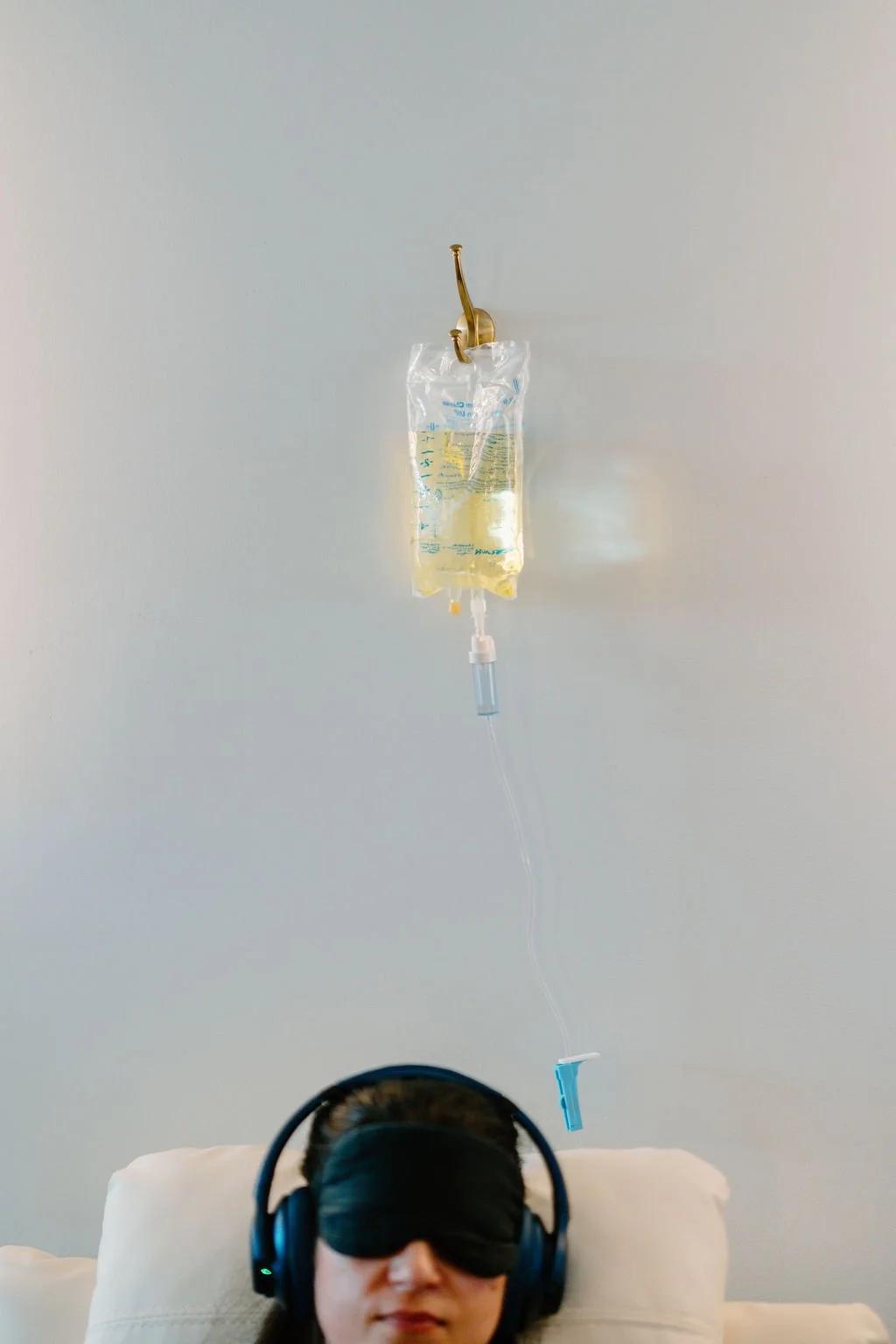
Supportive IV care is not adrenal treatment, and we do not offer anything that claims to repair your adrenals. What it can do is address deficiencies that testing finds and help with hydration and nutrients during hard stretches.
Some patients use a simple IV therapy session as a planned reset during a demanding season. That is a reasonable use, as long as it sits on top of sleep and the rest of the basics rather than replacing them.
The short version
Your exhaustion is real. The adrenal fatigue explanation probably is not. Get the common causes checked, protect your sleep, and be wary of anyone selling hormones based on a saliva test.
If you want help sorting out where to start, book a consultation with our team or call (918) 265-4811.
Frequently asked questions
Is adrenal fatigue a real diagnosis?
No. The Endocrine Society does not recognize it, and studies have not found a consistent cortisol pattern behind it. Chronic stress does affect energy, but through other pathways.
What are adrenal fatigue symptoms really caused by?
Commonly thyroid problems, anemia, low B12 or vitamin D, sleep apnea, depression, blood sugar issues, ME/CFS or long-term stress. A workup can check for these.
Should I take adrenal supplements?
Be cautious. Some adrenal glandular products have contained real hormones, and unneeded steroids can suppress your own adrenal glands. Talk to your physician first.
What is the difference between adrenal fatigue and adrenal insufficiency?
Adrenal insufficiency is a real, diagnosable condition where the glands do not make enough cortisol. It needs medical treatment. Adrenal fatigue is a popular label without that evidence.
Double-click to edit...
