
Babesia and Lyme Co-Infections: An Integrative Overview
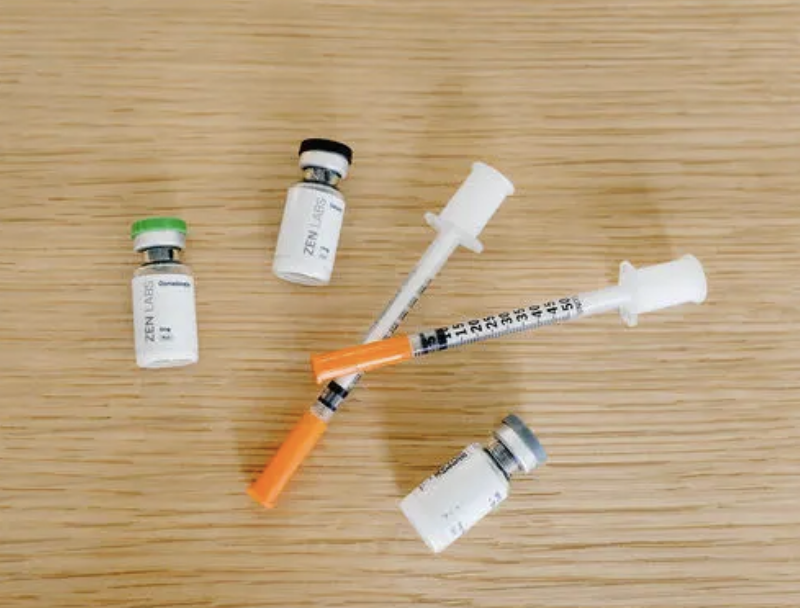
Most people who get diagnosed with Lyme disease assume they have one infection to deal with. Often they do not. The same tick bite can transmit more than one organism, and Babesia is one of the most common companions. Babesia symptoms look different from classic Lyme symptoms, which is a big part of why patients get treated for Lyme, improve partway, and then stall. If you are in that situation, our tick-borne and chronic viral condition support is built for exactly this kind of complicated picture, working alongside the physician managing your diagnosis and any antimicrobial treatment.
What Babesia is, in plain terms
Babesia is a parasite, not a bacterium. That distinction matters because it means the medications that work on Lyme bacteria do not touch it.
It infects red blood cells, which is why the symptom pattern skews toward things involving oxygen delivery and the immune system's response to red cell destruction. Ticks carry it. So do a small number of blood transfusions, and it can pass from mother to child during pregnancy, though those routes are far less common.
Babesia symptoms people describe most often
The list below is what patients actually report. It is not a diagnostic checklist, and plenty of these symptoms have other explanations.
Drenching night sweats, the kind that soak through bedding
Air hunger, meaning a feeling of not getting a full breath even though breathing tests come back fine
Chills or sweats that come in waves or cycles rather than steadily
Headaches, often described as pressure behind the eyes or a band around the head
Unexplained anemia, or a hemoglobin that keeps drifting low
Fatigue that is heavier than the fatigue people associate with Lyme alone
An unusual intensity to symptoms, with some patients describing a sense of doom or dread during flares
Air hunger is the one worth flagging to your physician, because it is unusual enough that it often changes how a case gets looked at. Patients frequently mention it only in passing because they assume it is anxiety.
Bartonella, the other frequent traveler
Bartonella is a bacterium and it shows up in a different pattern again. Patients tend to describe:
Pain in the soles of the feet, often worst in the morning
Stretch-mark-like streaks on the skin that appeared without weight change
Nerve pain, tingling, or burning in the hands and feet
Mood and cognitive changes that came on unusually fast, including irritability and anxiety that feel out of character
Swollen lymph nodes and tender shins
Somebody with foot pain, new skin striae, and sudden mood changes on top of a Lyme diagnosis is a picture worth investigating rather than filing under stress.
Why co-infections make Lyme recovery stall
This is the pattern we see most often in our Owasso clinic. Someone gets a Lyme diagnosis, starts treatment with their physician, feels better for a while, then plateaus or slides backward.
Two things are usually going on. First, a treatment aimed at Lyme bacteria is not aimed at a parasite like Babesia, so if Babesia is present it keeps doing what it was doing. Second, carrying more than one infection puts a heavier load on an immune system that is already working hard, and people in that state often arrive depleted, poorly absorbing nutrients, and running on empty.
We cannot fix the first problem. That belongs to your prescribing physician. What our providers can look at is the second one.
If your Lyme treatment stopped short of where you hoped, it is worth asking your physician about co-infection testing before assuming the treatment failed. Call us at (918) 265-4811 if you want to talk through where integrative support might fit alongside that.
Testing, and why it is genuinely difficult
Co-infection testing is not as clean as most patients expect, and you deserve to know that before you spend money on it.
Babesia can be looked for with a blood smear, with PCR testing that looks for the organism's genetic material, and with antibody testing. A smear is most likely to find something during an active high-level infection and can easily miss a low-level one. Antibody testing tells you about immune response, which is not the same as telling you there is an active infection right now. PCR sensitivity varies.
The practical result is that a negative test does not always mean no infection, and a positive antibody result does not always mean active disease. Any clinic that tells you their panel gives a definitive yes or no is overselling it. Our lab testing page covers what we order and what each test can and cannot tell you, and our providers will say plainly when a result is ambiguous.
What integrative support looks like alongside treatment
We are the supportive layer here, not the prescriber. Antimicrobial and antiparasitic treatment decisions belong to the physician managing your case.
Where we come in is the state you are in while that treatment happens. Patients with long-running tick-borne illness are commonly dealing with poor gut absorption, low nutrient status, and an immune system under sustained strain. IV delivery matters in that situation for the plain reason that it does not depend on a gut that is not absorbing well.
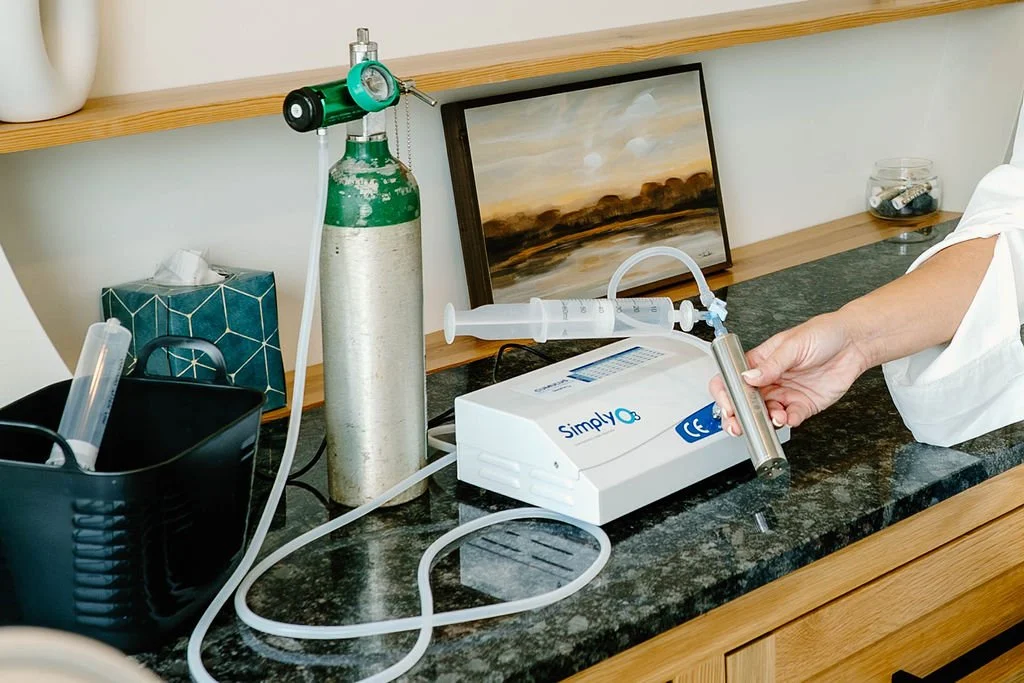
Ozone therapy is the other thing patients ask about. It comes up in chronic infection conversations for its effects on immune signaling and cellular oxygenation. We are careful with how we describe it, because the research base is thinner than the internet suggests. What we will say is what it is used for and who it is appropriate for, which is covered on our advanced IV therapy page and in more depth in ozone therapy for chronic viral and immune conditions. We will not tell you it clears an infection.
Ticks in Oklahoma, and why local matters
Oklahoma is tick country. Patients here are exposed to more than one tick species and more than one pathogen, and the state sees a meaningful amount of ehrlichiosis, spotted fever group rickettsiosis, and alpha-gal syndrome alongside the Lyme conversation.
That local mix is worth understanding because it shapes what to ask about. We wrote up the Oklahoma picture in tick-borne illness in Oklahoma, including what tends to get missed here specifically.
Most of the tick-borne patients we support in Owasso have already been through several providers before they find us, and many were told their labs were fine. If that is your story, book a consultation or call (918) 265-4811. Bring every lab result you have, including the ones you were told were normal.
Frequently asked questions
What does Babesia feel like compared to Lyme? Patients most often separate the two by night sweats and air hunger, which show up with Babesia and are less typical of Lyme alone. Fatigue tends to be heavier as well. Only a physician working from your history and testing can sort out which is which.
Can you have Babesia and test negative? Yes, and this is common enough to matter. Smears miss low-level infection, antibody tests reflect immune response rather than active infection, and PCR sensitivity varies. A negative result does not close the question, which is why your clinical picture stays part of the assessment.
Does WellSpot IV treat Babesia? No. Antimicrobial and antiparasitic treatment belongs to the physician managing your diagnosis. We provide supportive integrative care alongside that treatment, focused on nutrient status, hydration, and immune support.
Is ozone therapy a cure for Lyme or co-infections? No, and we will not describe it that way. It is used as supportive therapy in chronic infection care. The research base is smaller than the marketing around it, and our providers will tell you where the evidence stops.
Do I need a Lyme diagnosis to come in? No, but we will want to know what has been ruled out. Many symptoms on these lists have other causes worth investigating first, and we would rather point you toward the right workup than start therapy on a guess.
