
Why IV Drip for Dehydration Beats Traditional Water Intake

Dehydration is a common yet often overlooked condition that can lead to serious health issues if not addressed promptly. This article explores the effectiveness of IV therapy for dehydration, highlighting how it works and why it is more efficient than traditional oral hydration methods. Many individuals underestimate the importance of rapid rehydration, especially in situations like intense physical activity, illness, or heat exposure. IV therapy offers a solution by delivering fluids and nutrients directly into the bloodstream, providing immediate relief and restoring hydration levels quickly. We will delve into the mechanisms of dehydration, the signs to watch for, and the benefits of IV hydration therapy compared to drinking water.
What Is Dehydration and Why Is Rapid Treatment Essential?
Dehydration occurs when the body loses more fluids than it takes in, leading to an imbalance that can affect bodily functions. Rapid treatment is essential because prolonged dehydration can result in severe complications, including kidney failure, heat injury, and seizures. Understanding the definition and consequences of dehydration emphasizes the need for immediate intervention, particularly in vulnerable populations such as the elderly and young children.
What Are the Common Signs and Symptoms of Dehydration?
Recognizing the signs and symptoms of dehydration is crucial for timely treatment. Common indicators include:
Extreme Thirst: A strong desire to drink fluids.
Dry Mouth: A lack of saliva leading to discomfort.
Reduced Urinary Output: Less frequent urination or dark-colored urine.
These symptoms serve as warning signs that the body requires immediate rehydration to prevent further health complications.
How Does IV Therapy Work to Rehydrate the Body Quickly?
IV therapy works by delivering fluids directly into the bloodstream, allowing for rapid absorption and immediate symptom relief. This method bypasses the digestive system, ensuring that hydration occurs quickly and efficiently. The direct delivery of IV fluids helps restore electrolyte balance and provides essential nutrients, making it a superior option for those experiencing severe dehydration.
This direct delivery mechanism is crucial, as oral fluids must undergo a slower process of gut emptying and absorption before they can effectively rehydrate the body.
Rapid Rehydration: IV vs. Oral After Exercise
oral fluids must be emptied from the gut and absorbed before subsequent exercise after rehydration with IV fluid. All known , then rapidly rehydrating them via oral or IV after exercise (
Intravenous versus oral rehydration: physiological, performance, and legal considerations, DJ Casa, 2008
What Are IV Fluids and How Do They Deliver Nutrients Effectively?
IV fluids are sterile solutions that contain a mix of water, electrolytes, and sometimes vitamins or medications. They are designed to replenish lost fluids and provide essential nutrients effectively. The mechanism of nutrient delivery through IV therapy ensures that the body receives what it needs without the delays associated with oral intake. This method is particularly beneficial for individuals who are unable to drink fluids due to illness or other conditions.
How Does IV Therapy Compare Biologically to Drinking Water?
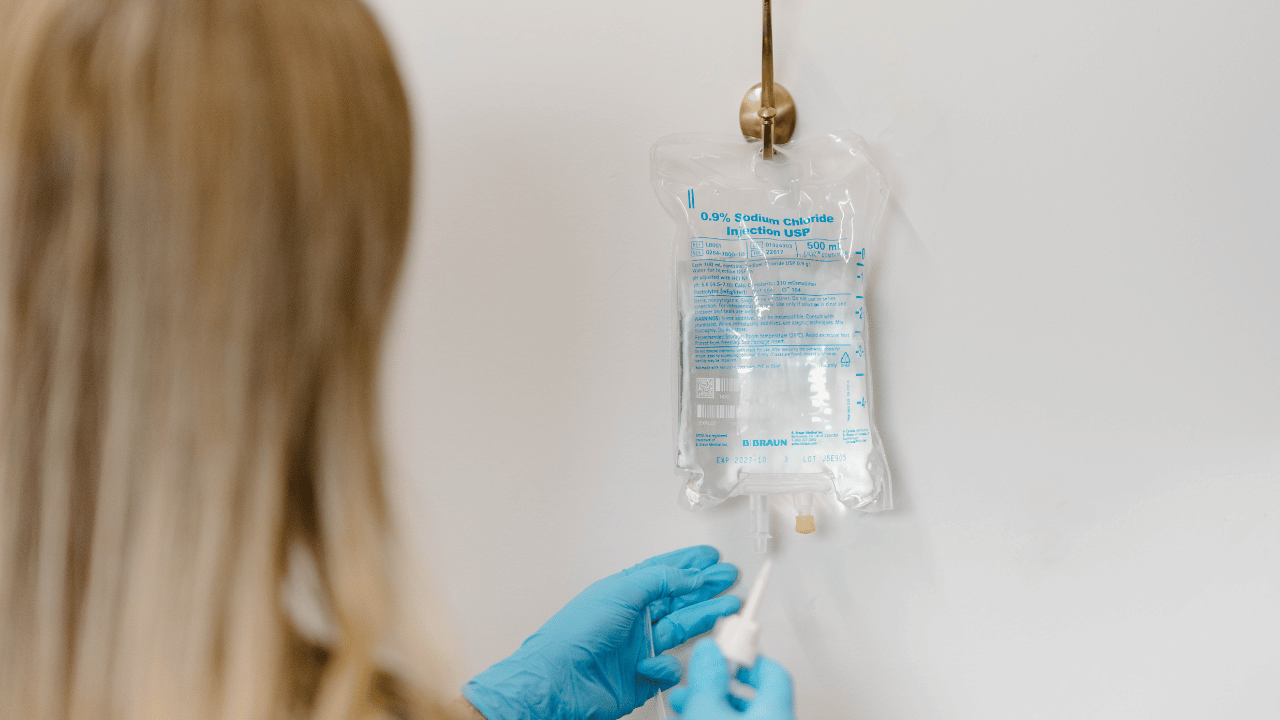
When comparing IV therapy to drinking water, the key difference lies in absorption rates and nutrient delivery. IV therapy allows for immediate hydration, while drinking water requires time for the body to process and absorb the fluids. Additionally, IV therapy can deliver a higher concentration of electrolytes and nutrients directly into the bloodstream, enhancing the rehydration process significantly.
While IV therapy is often highlighted for its rapid rehydration capabilities, some studies suggest a more nuanced view regarding long-term efficacy and specific markers of hydration status.
IV vs. Oral Rehydration for Athletes: Speed & Efficacy
Several studies have shown that rehydration is more rapid with IV fluid. However, the benefits are generally transient and only small differences to markers of hydration status are seen when comparing IV and oral rehydration. Furthermore, several studies have shown improvements in cardiovascular function and thermoregulation with IV fluid, while others have indicated that oral fluid is superior.
Intravenous versus oral rehydration in athletes, RG Fassett, 2010
What Are the Benefits of IV Hydration Therapy Over Oral Hydration?
IV hydration therapy offers several advantages over traditional oral hydration methods:
Rapid Rehydration: IV therapy provides immediate fluid replacement, crucial in emergencies.
Enhanced Nutrient Absorption: Direct delivery ensures that nutrients are available for immediate use by the body.
Time Efficiency: IV therapy can be administered quickly, making it ideal for busy lifestyles or urgent situations.
These benefits highlight why IV therapy is often preferred in clinical settings and for individuals needing quick recovery.
How Does IV Therapy Provide Faster and More Complete Rehydration?
IV therapy achieves faster and more complete rehydration through direct delivery of fluids and controlled electrolyte replacement. This method allows healthcare providers to tailor the treatment to the individual's specific needs, ensuring that hydration is not only rapid but also effective. The ability to monitor and adjust the IV fluids in real-time further enhances the rehydration process, making it a preferred choice for those in need of immediate care.
Is IV Therapy Safe and What Are the Potential Side Effects?
IV therapy is generally safe when administered by trained professionals. However, potential side effects can include:
Infection: Risk at the injection site if not properly managed.
Allergic Reactions: Rare but possible, depending on the fluids used.
Fluid Overload: Can occur if too much fluid is administered too quickly.
Understanding these risks is essential for anyone considering IV therapy, and it is important to consult with a healthcare provider to ensure safety.
How Can You Access Personalized IV Therapy Services in Owasso, OK?
Accessing personalized IV therapy services is straightforward. Individuals can contact local providers to inquire about available treatments. WellSpot IV specializes in hydration therapy designed to treat dehydration effectively. For more information, you can reach out to them at (918) 265-4811.
How to Book Your IV Hydration Therapy Appointment at WellSpot IV
Booking an appointment for IV hydration therapy at WellSpot IV is a simple process. Interested individuals can visit the WellSpot IV website to navigate through service options and select the appropriate treatment. After choosing a service, users can confirm their appointment, ensuring a smooth experience for their hydration needs.
What Supplements Support IV Therapy and Enhance Recovery?
Certain supplements can enhance the effectiveness of IV therapy and support recovery. These include:
Vitamin C: Boosts the immune system and aids in recovery.
Zinc: Supports overall health and immune function.
B Vitamins: Essential for energy production and metabolic processes.
Incorporating these supplements can provide additional benefits alongside IV hydration therapy, promoting overall wellness and recovery.
To learn more about the team and the mission behind WellSpot IV, you can visit the about page.
If you're interested in reading more articles like this, check out the blog.
Take Control of Your Hydration Today
IV therapy offers a powerful and efficient solution for rapid rehydration, especially in situations where oral hydration falls short. Its ability to deliver fluids and nutrients directly into the bloodstream makes it an invaluable tool for quick recovery and overall wellness. Whether you are an athlete, recovering from illness, or simply seeking a faster way to rehydrate, IV therapy provides clear benefits that can enhance your health and performance.
Don't wait until dehydration impacts your health. Contact WellSpot IV in Owasso, OK today to schedule your personalized IV hydration therapy session and start feeling revitalized.
