
Mold Toxicity and Environmental Illness: Recognizing the Signs
Some people feel unwell for months or years and cannot figure out why. They bounce between doctors, get normal-looking labs, and are told it is stress. For a subset of them, the trigger is their environment, and mold exposure is one of the more common culprits. Environmental illness is real, often missed, and worth understanding.
At WellSpot IV in Owasso, our detox support work often starts with patients who suspect their home or workplace is making them sick.
What mold toxicity is, and is not
When mold grows indoors, especially after water damage, it can release spores and compounds that some people react to. For most, the reaction is allergic: sneezing, congestion, itchy eyes. For a smaller group, the response looks more systemic, with fatigue, brain fog, and other whole-body symptoms.
It is worth being careful with language here. Mold-related illness is a genuine and active area of clinical discussion, and not every unexplained symptom is mold. The goal is to take it seriously without jumping to conclusions.
Signs worth paying attention to
Mold-related environmental illness tends to show up as a cluster rather than one clear symptom. Common threads people describe include:
Persistent fatigue that rest does not fix
Brain fog, poor concentration, or memory trouble
Headaches, sinus congestion, or a chronic cough
Unexplained aches, or symptoms that flare in a specific building and ease when you leave it
That last point is the big clue. If you consistently feel worse at home or at work and better when you are away, your environment deserves a closer look.
The first step is the environment
Here is the honest order of operations. Before any supportive therapy, the priority is finding and addressing the source. That usually means inspecting for water damage and hidden mold and, if it is there, getting proper remediation. No infusion will out-run an ongoing exposure.
Alongside that, a physician can evaluate your symptoms and order testing to understand what is going on and rule out other conditions. Testing is diagnostic and informs the plan. It is not a treatment on its own.
Where supportive care fits

Once exposure is being addressed, some patients pursue supportive care to help their body's normal detox pathways function under load. The body already clears toxins through the liver, kidneys, and other systems, and nutrients like glutathione play a role in that process.
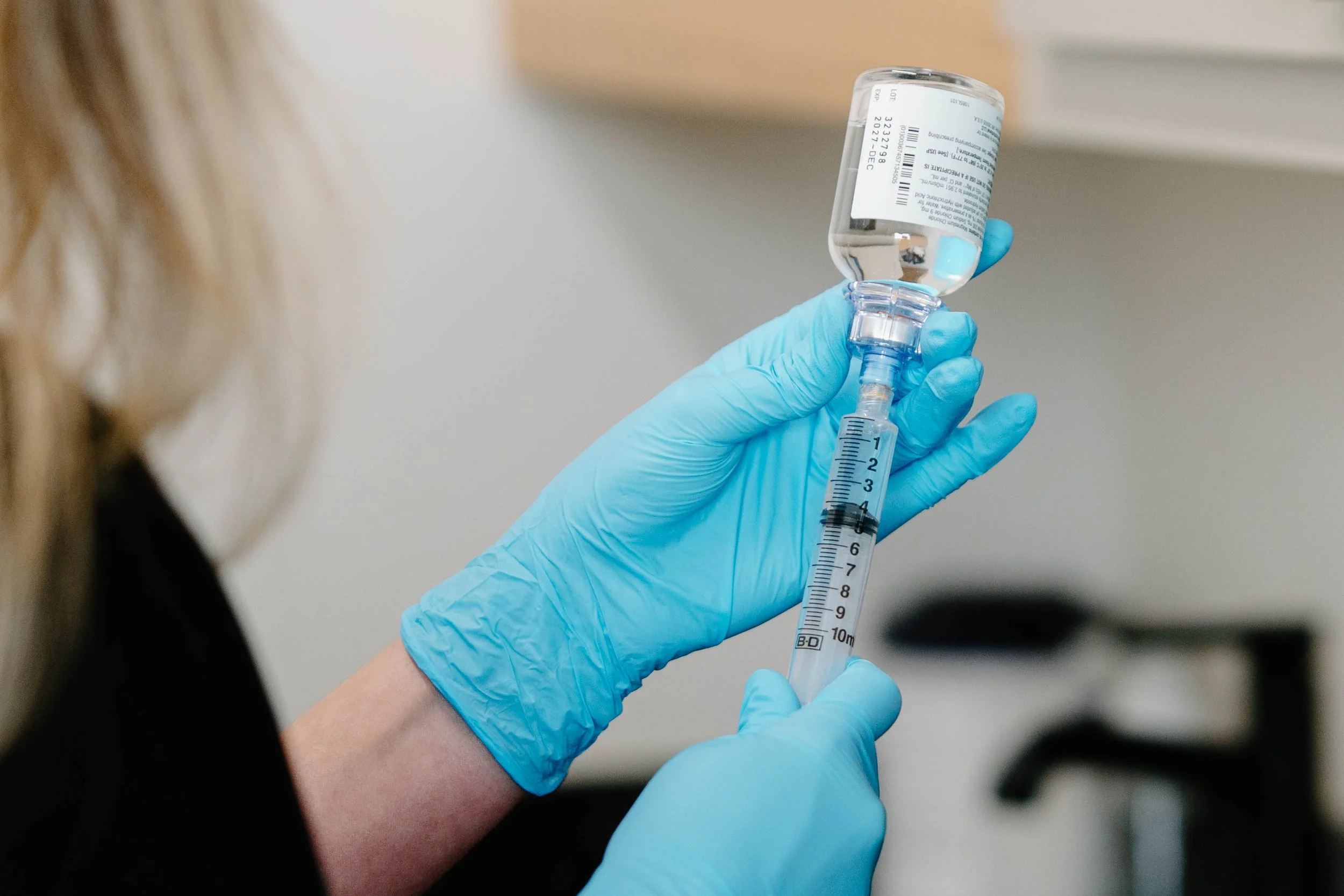
Delivered by IV, glutathione and related nutrient support bypass gut absorption limits, which matters for people whose systems are already stressed. We break down how these detox pathways work in our companion piece on glutathione, NAD+, and the body's detox pathways. To be clear, this is supportive care meant to help you function while the real fix, removing the exposure, happens in parallel. It does not cure environmental illness.
If you suspect mold or another environmental trigger is affecting your health, call (918) 265-4811 or book a consultation. We will talk through what belongs with a physician, what belongs with a remediation specialist, and where supportive care may help.
Frequently asked questions
What are the most common signs of mold toxicity? People often report persistent fatigue, brain fog, headaches, sinus symptoms, and a pattern of feeling worse in a specific building and better away from it.
How is mold illness diagnosed? Through medical evaluation and testing ordered by a physician, alongside identifying the environmental source. Testing informs the plan and is not a treatment by itself.
Can IV therapy cure mold toxicity? No. The essential step is removing the exposure. Supportive IV therapy may help your body's normal detox pathways function while that happens, but it does not cure environmental illness.
What does supportive detox care involve? It can include glutathione and nutrient support delivered by IV to support the body's normal clearance pathways, tailored to your situation.
Should I get my home checked? If your symptoms track with a specific building, yes. Addressing the source with proper inspection and remediation comes before supportive care.
