
IV Therapy for Athletes: Summer Recovery and Performance
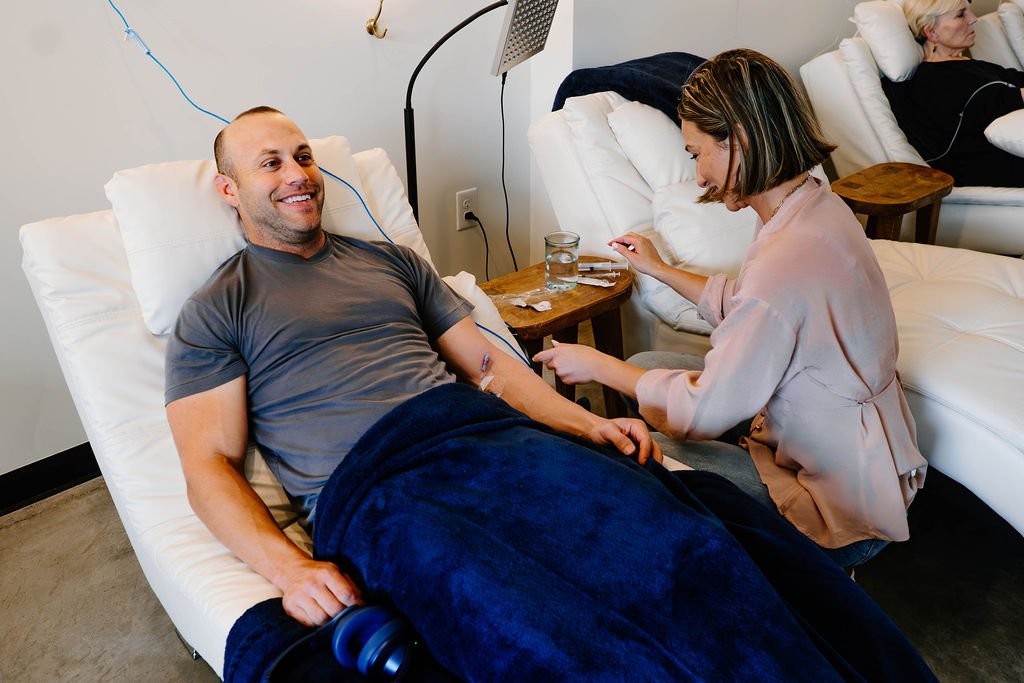
If you train through an Oklahoma summer, you already know what the heat does to you. The run that felt easy in April leaves you wrecked in July. You cramp earlier, you recover slower, and no matter how much water you drink, you feel a step behind. A lot of that comes down to fluid and electrolytes leaving your body faster than you can replace them by mouth. That is exactly the gap athlete performance support IVs are built to close, and summer is when athletes feel the difference most.
Here is the direct answer: IV therapy rehydrates you and replaces key electrolytes and nutrients faster than drinking fluids can, because it goes straight into your bloodstream. For athletes pushing hard in the heat, that can mean recovering quicker between sessions and feeling less drained day to day.
Why summer hits athletes harder
When you sweat heavily, you lose more than water. You lose sodium, potassium, and magnesium, the electrolytes your muscles and nerves depend on. Drinking water alone can actually dilute what is left, which is why you can chug a bottle and still feel flat. Add back-to-back training days, and you start each one already behind on recovery.
This is the simple reason heat and performance do not mix well, and it is why summer is the busiest stretch for recovery drips.
How an IV helps you bounce back
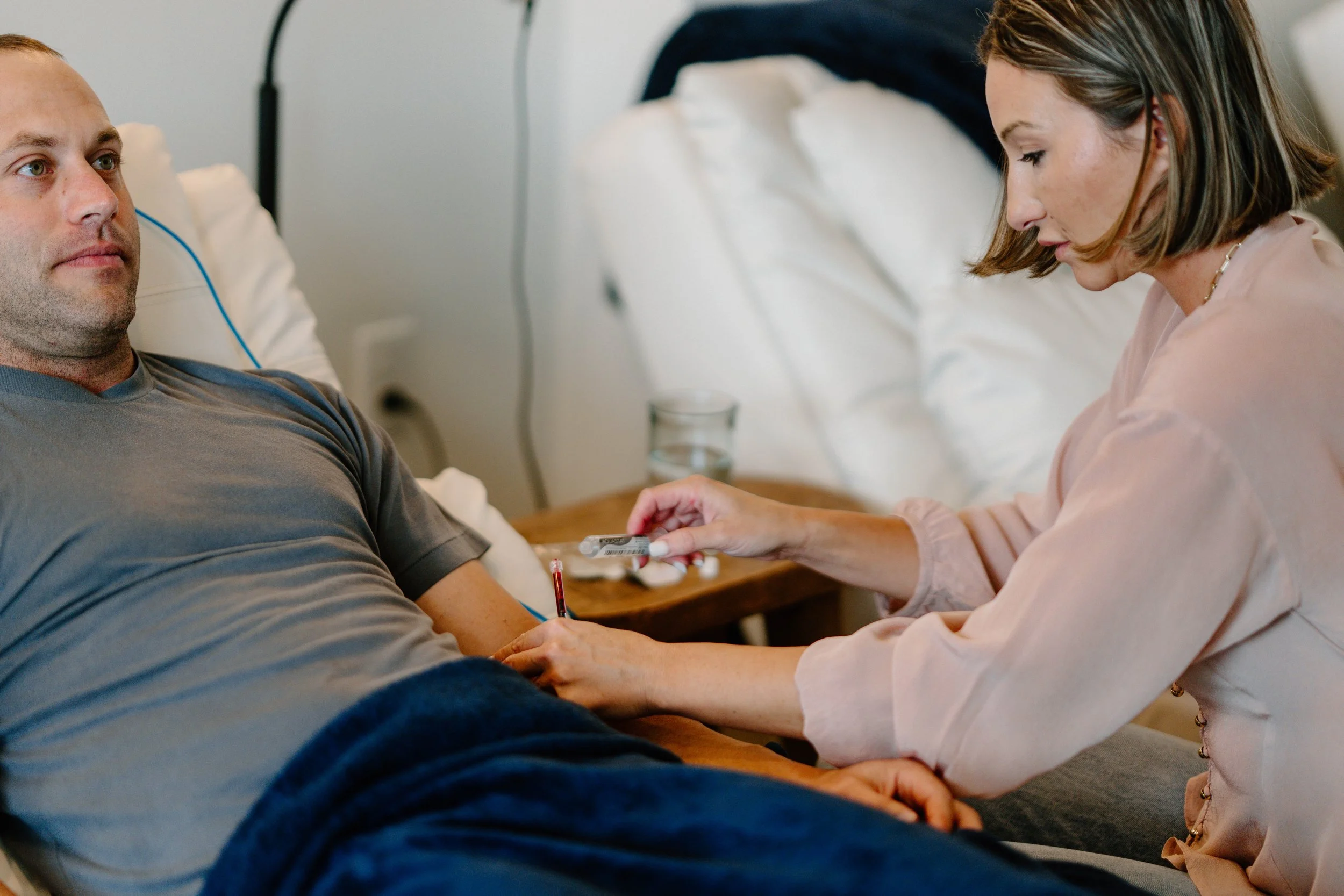
A recovery IV does a few things at once. It rehydrates you efficiently, restores the electrolytes you sweated out, and can deliver nutrients your body uses to repair and produce energy. Because it skips your digestive system, you feel the rehydration faster than you would from a sports drink. We break down the mechanics more in our piece on how IV therapy accelerates athletic recovery, but the practical takeaway is simple: you spend less time feeling depleted and more time ready to train.
To keep it honest, an IV is not a shortcut around training, sleep, or nutrition. It is a recovery tool that supports the work you are already putting in. The athletes who get the most out of it are the ones doing the basics well and using IVs to top off.
Going beyond hydration
For athletes focused on performance over a season, hydration is the entry point, not the ceiling. Some look at peptide therapy for recovery support, and others build a regular drip schedule around their competition calendar. The right mix depends on your sport, your training load, and your goals, which is something we map out individually rather than handing every athlete the same bag.
Timing your drips around training
A common question is when to come in. Many athletes book a drip after a hard event or a heavy training block, when the depletion is greatest. Others use a steady rhythm through their peak season to stay ahead of the drain. There is no single right answer, and we will help you time it to your schedule.
Train hard, recover smart
If summer training has you feeling flat, a recovery drip is an easy place to start. Call (918) 265-4811 or book a session and we will match a drip to where you are in your season.
Frequently asked questions
Does IV therapy actually help athletic recovery? It rehydrates you and replaces electrolytes and nutrients faster than fluids by mouth, which many athletes find helps them feel less depleted and recover between sessions. It supports your training, it does not replace it.
When should an athlete get an IV? Common times are after a hard event or heavy training block, or on a regular schedule through peak season. We help you time it to your goals.
Is IV hydration better than sports drinks? For fast, full rehydration after heavy sweating, an IV delivers fluids and electrolytes directly into your bloodstream, while sports drinks have to pass through digestion first.
What is in an athlete recovery IV? Typically fluids, electrolytes, and nutrients that support hydration and energy. We can adjust the blend to your sport and needs.
Can IV therapy improve my performance? It supports recovery and hydration, which can help you train more consistently. It is one piece of performance, alongside training, sleep, and nutrition.
Double-click to edit...
