
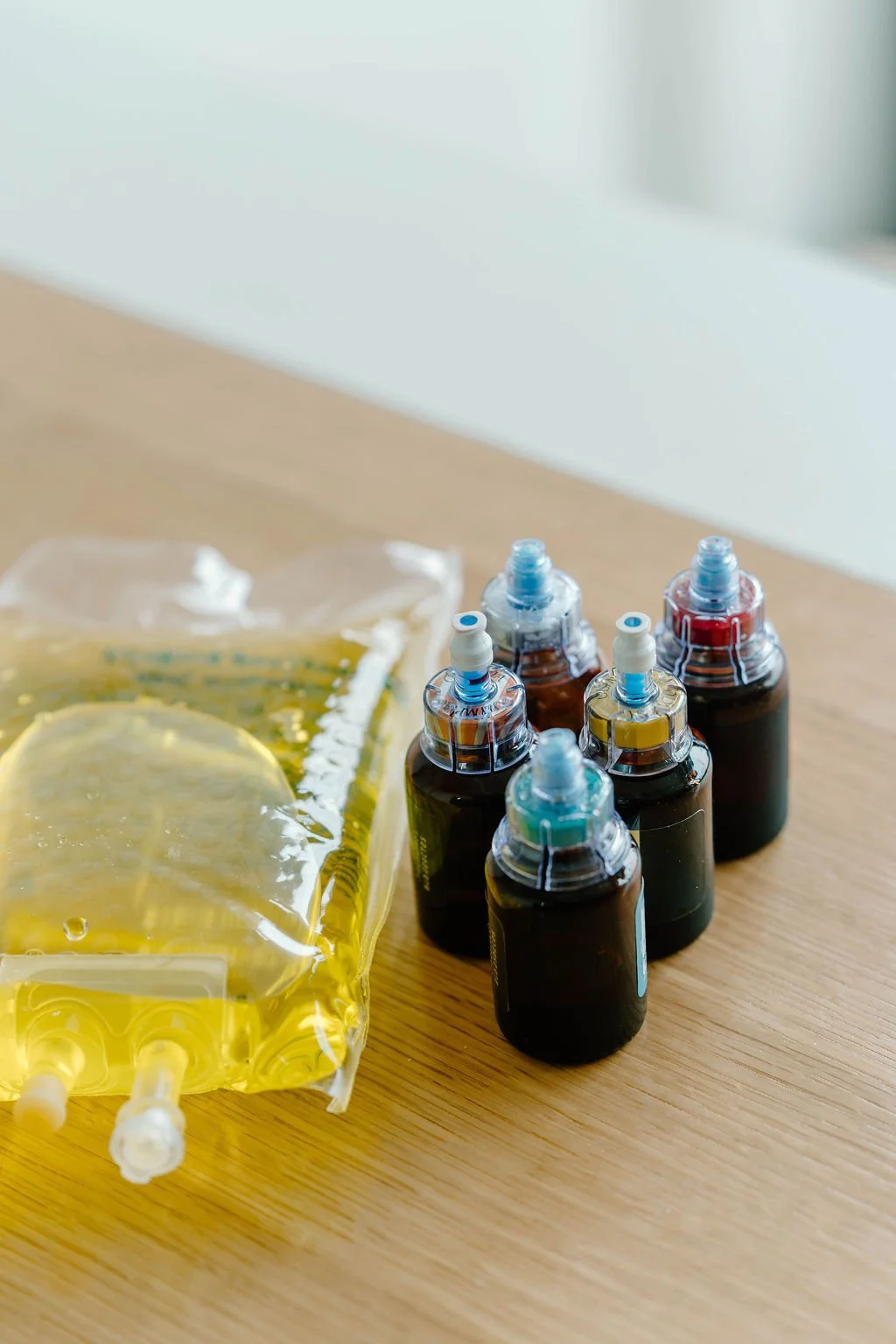
Inflammation has become a catch-all word for feeling bad, which makes it easy to dismiss. That is a mistake, because chronic low-grade inflammation is real, it can be measured, and it is tied to heart disease, diabetes, joint pain and autoimmune conditions. The good news is that most of what reduces it is in your hands. This piece covers what works, how to tell whether you have a problem in the first place, and where our chronic inflammation support at WellSpot IV fits. Spoiler: it fits after the basics, not instead of them.
Acute vs. chronic inflammation
Acute inflammation is the useful kind. You cut your hand, it swells and turns red, immune cells clean up, and it resolves. That is the system working.
Chronic inflammation is a low background signal that never fully switches off. You do not see it the way you see a swollen ankle. It tends to show up as fatigue, aches, slow recovery, and in blood markers, years before it shows up as a diagnosis.
How do you know if you have it?
You cannot tell by how you feel alone, because the symptoms overlap with a dozen other things. Testing helps.
The most common marker is high-sensitivity C-reactive protein (hs-CRP). In the standard bands used for heart risk, under 1 mg/L is low, 1 to 3 is average, and above 3 is elevated. A single high reading can come from a cold or a hard workout, so it is worth repeating before you draw conclusions. Other useful pieces are fasting glucose or A1c, a lipid panel, and sometimes ferritin or ESR depending on your history.
Our lab testing covers these, and our providers will tell you plainly if your numbers do not suggest a problem.
How to reduce chronic inflammation: what actually works
This is the part that does the heavy lifting. None of it is new, and all of it has better evidence than anything sold in a bag or a bottle.
Eat like the Mediterranean studies. Vegetables, beans, olive oil, fish, nuts, whole grains, not much processed food or added sugar. This pattern is linked with lower CRP in a lot of research. It does not have to be perfect to help.
Move most days. Regular moderate activity lowers inflammatory markers over time. Walking counts. So does strength work.
Sleep seven hours or more. Short sleep raises inflammatory signaling. If you snore or wake up exhausted, ask about sleep apnea, which is common and treatable.
Lose visceral fat if you carry extra. Abdominal fat is an active source of inflammatory signals. Even modest loss moves the numbers.
Stop smoking and go easy on alcohol. Both push inflammation up.
Do not ignore your gums. Gum disease is a chronic inflammatory source people forget about.
If that list feels overwhelming, pick one. Sleep and walking are usually the easiest places to start.
Where IV nutrient support fits

Here is the honest version. IV vitamin C and glutathione are antioxidants, and they are part of what we offer for people dealing with chronic inflammation. The human evidence that they lower inflammatory markers on their own is limited. Where they make more sense is for people with documented low levels, poor absorption, or a heavy illness burden where getting nutrients in by mouth is a struggle.
That is why we test first. If your vitamin C, D or other levels are fine and your diet is solid, an infusion is unlikely to change much, and we will say so.
For people whose inflammation is tied to an autoimmune condition, our autoimmune disease support page goes further, and our earlier piece on autoimmune flares and IV nutrient support covers flares specifically.
If your markers are up and you have already worked on the basics, call (918) 265-4811 and ask what testing would make sense. A short conversation can save you money on things you do not need.
Supplements: a short, cautious list
Omega-3s from fish oil have reasonable evidence for some inflammatory conditions. Vitamin D is worth correcting if you are low. Curcumin is popular and the research is mixed.
Before adding any of them, check with your doctor if you take blood thinners, diabetes medication, or anything for an autoimmune condition. Interactions are real.
When inflammation needs a doctor, not a drip
Joint swelling that does not settle, unexplained weight loss, fevers, night sweats, or a CRP that keeps climbing need a medical workup. Those can point to infection, autoimmune disease or something else that requires diagnosis. We would rather send you to your physician than put an IV in front of a problem that needs a name.
Start here
Get a baseline, change one habit, and recheck in three months. If you want help reading your numbers or deciding whether nutrient support is worth adding, book a visit at WellSpot IV or call (918) 265-4811. More on our approach is on the chronic inflammation support page.
Frequently asked questions
What is the fastest way to reduce chronic inflammation?
There is no fast fix. The changes with the best evidence are diet, regular movement, sleep, losing abdominal fat, and stopping smoking. Markers usually take weeks to months to move.
What blood test shows chronic inflammation?
High-sensitivity CRP is the most common one. Results under 1 mg/L are considered low and above 3 mg/L elevated, though one reading can be thrown off by a recent illness.
Does IV therapy reduce inflammation?
IV vitamin C and glutathione may help people with documented deficiencies or poor absorption. Evidence that they lower inflammatory markers on their own is limited, so we test before recommending them.
Can chronic inflammation be cured?
It is better thought of as managed. When the drivers change, like diet, activity, sleep or an underlying condition, markers often come down.
Double-click to edit...
