
How IV Therapy Boosts Allergy and Sinus Relief
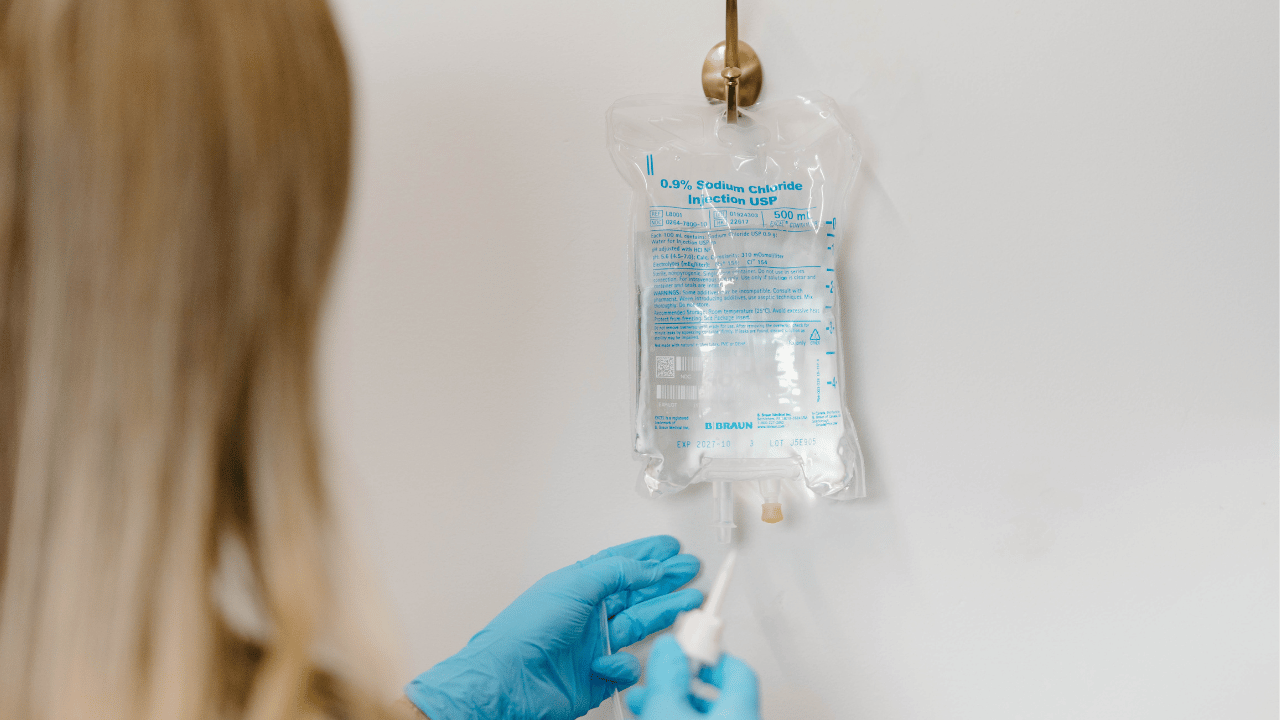
Allergic rhinitis and sinus congestion can disrupt sleep, focus, and everyday comfort - and many people want faster, more reliable relief. This guide explains how IV therapy can ease allergy and sinus symptoms, why certain nutrients given intravenously may help reduce histamine-driven inflammation, and what you can realistically expect for timing and results. You’ll find clear descriptions of common triggers and immune processes, an ingredient-level look at targeted IV drips, and why IV delivery often works sooner than oral options. We also cover who typically benefits, what a clinic visit looks like step-by-step, and an FAQ about safety, frequency, and booking. Throughout, we highlight evidence-aligned explanations and include a practical example of the Allergy + Sinus Relief IV drip available at WellSpot IV in Owasso, so you can decide whether IV therapy fits your goals and next steps for care.
TL;DR
IV Therapy for Allergies: Learn how intravenous nutrients can quickly ease allergy and sinus symptoms.
Targeted Relief: Understand how specific IV ingredients reduce histamine-driven inflammation.
Faster Action: Discover why IV delivery often works sooner than traditional oral options.
Comprehensive Guide: Covers triggers, immune responses, ingredient breakdowns, and what to expect from a clinic visit.
WellSpot IV Example: Features the Allergy + Sinus Relief IV drip available at WellSpot IV in Owasso.
What Causes Allergies and Sinus Issues - and How They Affect You
Allergies and sinus problems start when the immune system treats harmless airborne particles as threats, triggering inflammation in the nasal and sinus tissues. That reaction usually involves histamine release, widened blood vessels, increased mucus, and immune cell activity - producing congestion, pressure, sneezing, and fatigue. These local changes also slow mucociliary clearance, making sinus drainage less effective and increasing the sense of blockage. Understanding this process clarifies why approaches that lower histamine, calm inflammation, and restore hydration can relieve symptoms faster than treatments that only mask nasal discomfort. The next section reviews common environmental triggers and simple steps to reduce exposure.
Common Allergy and Sinus Triggers
Triggers vary by person but generally fall into seasonal and year-round groups. Seasonal triggers include tree, grass, and weed pollens that spike at particular times of year. Perennial triggers - like dust mites, pet dander, and indoor mold - can cause symptoms year-round in people who are sensitized. Environmental irritants such as smoke, strong odors, and pollution can also worsen sinus inflammation, sometimes even without a classic allergic response. Reducing exposure - for example, using high-efficiency air filters, controlling indoor humidity, and avoiding outdoor activity during peak pollen hours - can lower how often and how intensely flares occur and support the medical or supportive treatments you already use.
Allergic Rhinitis: Causes, Symptoms, and Treatment Options
Allergic rhinitis affects a large portion of the population in many regions, sometimes reaching around 40% in certain areas. It is driven by type 2 immune responses, which create eosinophilic inflammation in the nasal lining. Typical symptoms include nasal itching, sneezing, watery runny nose, and congestion. Congestion largely reflects blood vessel dilation and increased mucus production, which can cause obstructed airflow. Allergic rhinitis often occurs alongside other allergic conditions such as allergic conjunctivitis and asthma. Effective management combines allergen avoidance with evidence-based pharmacologic options - for example, intranasal or oral antihistamines and nasal corticosteroids in line with ARIA recommendations. Treatment of allergic rhinitis in clinical practice, MA Tosca, 2024
How the Immune System Reacts to Allergens and Causes Inflammation
When an allergen lands on mucous membranes, antigen-presenting cells activate memory B and T cells, and IgE on mast cells triggers degranulation and histamine release. Histamine and other mediators increase vascular permeability and recruit inflammatory cells, causing tissue swelling, excess mucus, and narrowing of sinus openings that can block drainage. Over time, this cycle may lead to persistent mucosal inflammation and structural changes that make future flares more likely. Breaking that cycle usually requires both symptom relief and steps that reduce underlying inflammation. Targeted nutrients and antioxidants can intervene in these biochemical pathways by neutralizing reactive oxygen species, supporting cellular detox pathways, and stabilizing immune responses - which leads us to how IV-delivered ingredients act in the body.
Antioxidant IV Infusion for Histamine Degradation and Vasodilation
Research examining intravenous N-acetylcysteine (NAC) has shown it can promote histamine breakdown and influence oxidative stress pathways. Systemic NAC infusion also reduced histamine receptor activation and supported sustained post-exercise vasodilation in human studies. Effect of antioxidants on histamine receptor activation and sustained postexercise vasodilatation in humans, SA Romero, 2015
How WellSpot IV’s Allergy + Sinus Relief IV Therapy Works
Allergy-focused IV therapy delivers fluids and concentrated nutrients directly into the bloodstream so active compounds reach tissues quickly and at controlled doses. By bypassing gut absorption and first-pass liver metabolism, IV delivery increases immediate bioavailability for antioxidants and cofactors that can modulate histamine, reduce oxidative stress, and support mucosal health. WellSpot IV’s Allergy + Sinus Relief drip pairs hydrating carrier fluid with vitamins, amino acids, antioxidants, and minerals selected to lower inflammation and support immune balance; clinicians administer the infusion under medical supervision. This targeted approach raises therapeutic concentrations in plasma faster than most oral routes, helping reduce swelling and improve sinus drainage. Below is a practical ingredient-level overview showing mechanisms and expected benefits.
Which Nutrients and Ingredients Are in the Allergy + Sinus Relief IV Drip?
We are going to summarize common components used in allergy/sinus IV blends and explain their main mechanisms and likely clinical benefits. These categories reflect WellSpot IV’s formulation strategy and current mechanistic rationale, described by ingredient class rather than proprietary doses to clarify action.
Antioxidants and Vitamins
Vitamin C, classified as an antioxidant, works through the mechanism of neutralizing reactive oxygen species and can influence histamine activity. The expected benefit is that it may reduce histamine-driven inflammation and support immune defense. Glutathione, a tripeptide antioxidant, supports cellular detoxification and lowers oxidative stress. This action can decrease mucosal inflammation and support mucociliary function-the process by which the body clears mucus from the airways. B-complex vitamins act as cofactors for cellular energy and immune cell activity, thereby providing an expected benefit of supporting energy, cellular repair, and recovery at the cellular level.
Minerals and Hydration
Zinc, a trace mineral, contributes to immune regulation and antimicrobial defense. Its expected benefit is that it supports the immune response and tissue repair in mucosal linings, which are often compromised during infection. Finally, IV saline / electrolytes restore plasma volume and hydrate tissues. The expected benefit of this hydration is that it improves mucociliary clearance and reduces thickened mucus, making it easier for the body to clear the respiratory tract.
Why IV Delivery Often Works Faster Than Oral Allergy Treatments
IV delivery reaches higher plasma concentrations faster than oral dosing because it avoids digestive absorption and first-pass liver metabolism, so bioavailability and onset are quicker. In practice, that means antioxidants and trace minerals can reach target tissues within minutes to hours instead of the longer delay after oral dosing - an important distinction during severe flares. IV dosing also allows precise control over amounts and simultaneous fluid replacement, addressing both nutrient gaps and dehydration that can worsen congestion. For safety, screening and monitoring by a trained clinician are standard; IV therapy is delivered under medical supervision rather than as a DIY option.
L-Histidine and Histamine: Oral vs. Intravenous Administration
Studies comparing oral and IV L-histidine show the amino acid is not heavily broken down in the gut or liver, and plasma histamine did not rise significantly after either oral or IV loads. That said, L-histidine can be enzymatically converted to histamine locally, which may influence tissue-level histamine formation. Antioxidant characteristics of L-histidine, 1998
Key Benefits of IV Therapy for Allergy and Sinus Relief
IV therapy for allergy and sinus relief targets several practical goals: faster symptom reduction via antioxidants and cofactors that act on histamine pathways, improved hydration to aid mucus clearance, and replenishing nutrients that support immune function. These outcomes reflect both the pharmacokinetic advantages of IV delivery and the actions of ingredients like Vitamin C and glutathione in lowering oxidative stress. For people with severe congestion or limited response to oral agents, an infusion can shorten time to noticeable improvement and increase comfort during acute episodes. Below are core benefits and a concise table that clarifies expected timing and rationale.
Knowing these benefits helps set practical expectations for how quickly relief may appear and how hydration plus nutrient synergy supports recovery.
Rapid Symptom Relief: IV delivery raises plasma nutrient levels quickly, often easing congestion and pressure within hours.
Reduced Inflammation: Antioxidants and trace minerals help limit oxidative signaling and immune overactivation that cause sinus swelling.
Improved Hydration & Mucus Clearance: Infused fluids thin mucus and restore mucosal hydration to support drainage.
Next, we cover who typically benefits most and when to seek professional evaluation. If you’d like a real-world option, the Allergy + Sinus Relief IV drip is offered at WellSpot IV in Owasso by founder and APRN/CNP Courtney Garner. Patients interested in that targeted infusion can learn more about services and scheduling through WellSpot IV’s booking channels.
Who Is a Good Candidate for Allergy and Sinus Relief IV Therapy?

Good candidates include people with noticeable seasonal allergic rhinitis, those experiencing severe sinus congestion during flares, and patients with chronic sinusitis seeking adjunctive symptom control. IV therapy can also help when oral absorption is limited, rapid relief is a priority, or dehydration worsens symptoms. IV therapy is not a substitute for antibiotics when a bacterial sinus infection is present - a medical evaluation is needed to distinguish infectious causes. A personalized assessment by a qualified clinician ensures safe selection, identifies contraindications, and tailors the infusion to your goals. The following subsection lists conditions that may benefit and sets realistic expectations about what IV therapy can - and cannot - do.
Which Allergy and Sinus Conditions May Benefit from IV Therapy?
IV therapy can provide symptomatic relief for allergic rhinitis, episodic severe congestion, and inflammatory sinus symptoms where swelling and mucus production are prominent. For chronic sinusitis, infusions may serve as supportive care between medical or surgical treatments by reducing inflammation and improving mucosal function. IV therapy is less likely to resolve structural blockages and will not replace antibiotics for confirmed bacterial infections; in those cases, infusions act as adjunctive support rather than primary treatment. Talk with a clinician about your diagnosis to understand likely benefits and whether IV sessions fit into a broader care plan.
How to Decide If IV Therapy Matches Your Health Goals
Start by assessing symptom severity, past responses to oral and topical treatments, and any medical issues that might affect safety or effectiveness. A quick self-check - noting triggers, flare frequency, sleep disruption, and response to antihistamines or nasal steroids - helps determine whether faster systemic support may be useful. If frequent or severe flares interfere with daily life despite standard care, consult a qualified provider to review your history and create a personalized plan. At WellSpot IV, trained clinicians screen and consult before recommending an infusion to make sure the approach aligns with patient goals and safety.
What to Expect During a WellSpot IV Allergy and Sinus Relief Session
A typical session begins with a brief medical screening and consultation to confirm symptoms, review medications, and identify any contraindications. After vitals and a focused history, the clinician places a peripheral IV and administers a customized infusion of hydrating fluid and selected nutrients while monitoring comfort and response. Most infusions run 30-60 minutes, with extra time for intake and a short post-infusion observation. The clinic aims to provide a calm, professionally supervised environment so you can relax while staff monitor for sensations like lightheadedness. The next section outlines the visit in simple steps.
How the IV Therapy Is Administered and What You Should Expect
Pre-visit screening and consult: A clinician reviews your symptoms, allergies, and medications before treatment.
IV placement and baseline vitals: A small peripheral IV is placed and basic monitoring begins.
Infusion: The tailored Allergy + Sinus Relief blend is given over 30-60 minutes under clinical supervision.
Post-infusion observation: Short monitoring ensures stability; clinicians provide aftercare instructions.
Most people are comfortable during the visit and notice improvement within hours to a day. Aftercare typically includes hydration and rest recommendations, and any follow-up plan is personalized based on how you respond.
Clinic Environment and the Consultation Process
Clinics offering targeted IV infusions balance a welcoming wellness atmosphere with clear medical oversight. WellSpot IV emphasizes a personalized consult with trained clinicians to match infusion ingredients to each patient’s needs. The consultation reviews medical history, current medications, and treatment expectations so staff can identify precautions and tailor the formula. Treatment areas are kept comfortable and professional, with attention to sanitation and monitoring to minimize procedural risks. That blend of a relaxed setting and medical supervision helps patients feel supported during treatment and afterward.
Common Questions About Allergy and Sinus IV Therapy
This FAQ answers common patient concerns about effectiveness, timing, safety, frequency, and booking so you can make an informed choice. Answers are practical and tied to the mechanisms described above. After this section we explain how to schedule an Allergy and Sinus Relief IV session at WellSpot IV in Owasso.
Does IV Therapy Really Help With Allergies and Sinus Congestion?
IV therapy can reduce allergy- and sinus-related inflammation by delivering antioxidants and cofactors that act on histamine-driven pathways and oxidative stress. Nutrients such as Vitamin C and glutathione help neutralize reactive oxygen species and support mucosal healing, which can ease swelling and improve drainage. Clinical experience and mechanistic rationale support symptomatic improvement, but individual responses vary. IV therapy works best as part of a personalized plan and is not a standalone cure for structural or infectious causes. If a bacterial infection is suspected, antibiotics and other medical treatments take priority over supportive IV care.
How Quickly Will I Feel Relief After an Allergy IV Drip?
Many patients notice partial relief within a few hours as plasma nutrient levels rise and fluids restore mucosal hydration. Full symptom improvement typically develops over 24-72 hours, depending on severity, baseline hydration, and whether a short series of treatments is used. People with chronic, severe inflammation may need several sessions for sustained benefit; clinicians will recommend timing based on your response and goals. Track your symptoms after the first infusion to decide if additional sessions would help.
Are There Side Effects or Risks With Allergy IV Therapy?
Common, mild effects include temporary bruising at the IV site, brief lightheadedness, or a warm flushing sensation during the infusion; these usually resolve on their own. Rare complications can include an allergic reaction to an ingredient or, very infrequently, more serious vascular issues. That’s why clinical screening, medication review, sterile technique, and in-clinic monitoring are essential. Sharing your full medication and allergy history at the consult reduces risk and helps the team provide safer care.
How Often Should I Receive Allergy and Sinus IV Treatments?
Frequency depends on symptom patterns and goals: some people schedule a single session for an acute flare, while others follow a short initial series spaced days to weeks apart for longer relief. Maintenance sessions, if recommended, might occur monthly or seasonally based on trigger timing and individual response. A personalized plan from a clinician helps determine appropriate spacing, avoids unnecessary procedures, and monitors for cumulative effects. The next section explains how to book a session at WellSpot IV.
How Do I Book an Allergy and Sinus Relief IV Session at WellSpot IV?
To schedule an Allergy + Sinus Relief IV session at WellSpot IV in Owasso, start by requesting an initial consultation through WellSpot IV’s booking portal or checking their local business listing to confirm availability and pre-screening requirements. The booking process asks about symptoms, medications, and relevant health history to prepare for a safe, personalized infusion. Consultations are led by experienced clinicians who review the plan and answer questions before administering the drip. You can also ask about complementary services like infrared sauna with red light therapy to support recovery and overall wellness.
Conclusion
IV therapy can offer faster relief for allergy and sinus symptoms by delivering targeted nutrients and fluids directly into the bloodstream, improving hydration and reducing inflammation. As a focused, supervised option, it can ease discomfort and support immune recovery for people with significant congestion. If you’re looking for a quicker, evidence-aligned approach, consider the Allergy + Sinus Relief IV drip at WellSpot IV. Schedule a consultation to discuss whether this option is right for your health goals.
Choose Your Treatment Now
IV therapy provides rapid support for allergy and sinus symptoms by delivering essential nutrients and fluids straight to the bloodstream, enhancing hydration and calming inflammation. This targeted approach can quickly relieve discomfort and support immune recovery for people dealing with significant congestion. If you want a faster, evidence-based option, explore the Allergy + Sinus Relief IV drip at WellSpot IV. Schedule a consultation today to see how this treatment might fit your health goals.
