
High-Dose IV Vitamin C and Cancer Support: Safety, Timing, and Your Care Team

High-dose IV vitamin C is one of the more talked-about supportive therapies in integrative oncology, and also one of the most misunderstood. Used correctly, it is a form of supportive care that some patients pursue alongside standard cancer treatment. It is not a cancer cure, and it is not a replacement for anything your oncologist has prescribed. This piece walks through what it is, the safety points that matter, and why timing and coordination with your care team come first. If you want the bigger picture, start with our cancer care support overview.
Why IV, not oral
The reason vitamin C is given by IV in this setting comes down to how much reaches the bloodstream. Taken by mouth, vitamin C absorption is limited no matter how large the dose, because the gut caps how much it will take up. Delivered by IV, it bypasses the gut entirely and reaches plasma levels that simply are not possible with pills. That difference is the whole point, and we explain the mechanics further in our post on high-dose vitamin C beyond immunity.
What the research does and does not say
Research into high-dose vitamin C as supportive care during cancer treatment is ongoing. Some studies have looked at quality of life and how patients tolerate treatment. What the evidence does not support is any claim that vitamin C cures cancer or shrinks tumors on its own. We want to be clear about that, because false hope helps no one.
We frame high-dose vitamin C as supportive: something that may help some patients feel more resourced during treatment, used alongside their oncology plan. For a deeper look at the supportive-care research, see our earlier piece on IV vitamin C for cancer support.
The safety points that actually matter
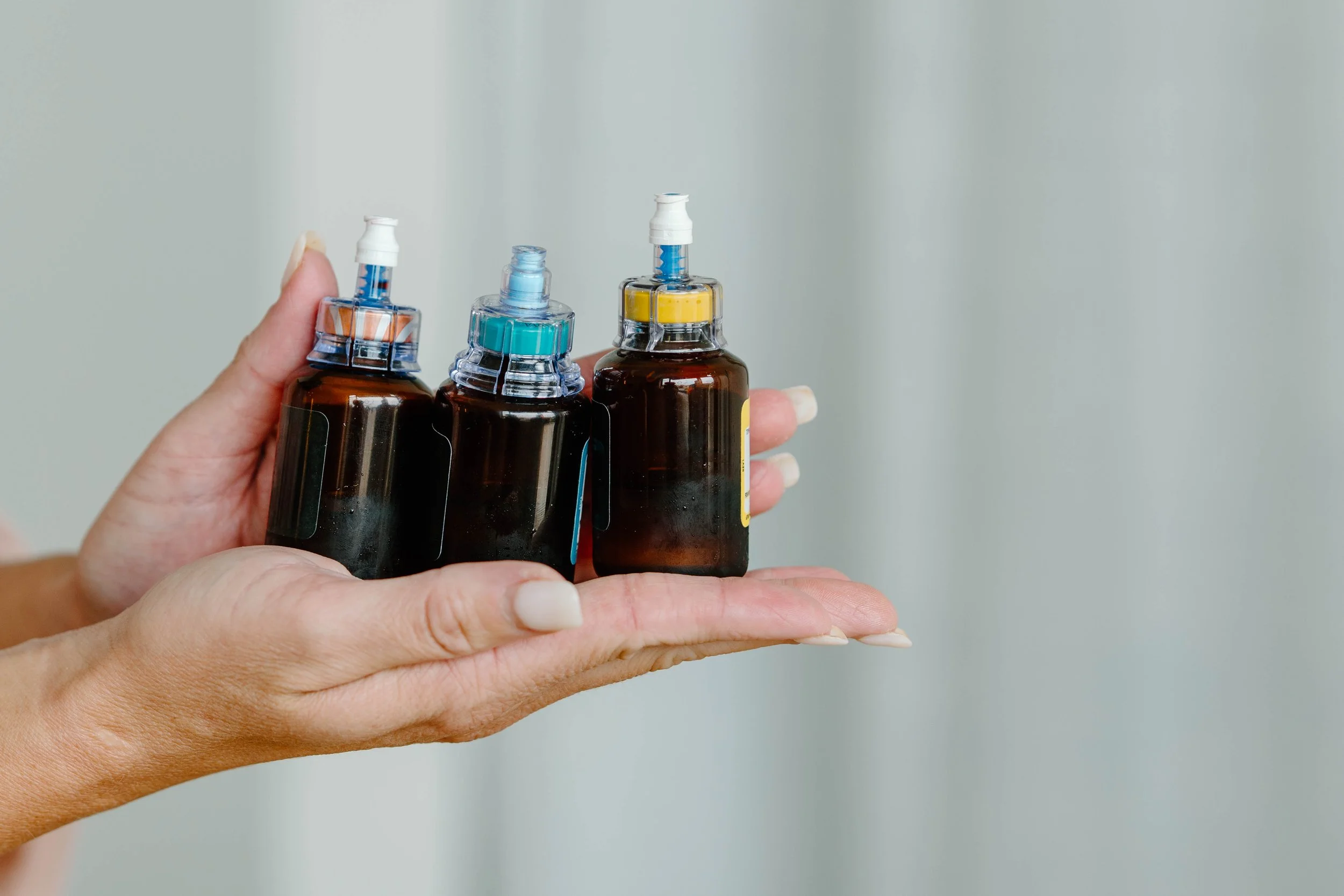
This is where coordination becomes essential.
Before high-dose vitamin C, patients should be screened for G6PD deficiency, an enzyme issue that can make high doses unsafe. This is a standard safety step, not an optional one.
Timing around treatment also matters. Some oncologists prefer to space antioxidant therapies away from certain chemotherapy or radiation windows. That is a conversation to have with your oncology team, and it is one reason we ask about your treatment schedule up front.
Hydration and kidney function are worth checking too, which is part of why supportive care usually starts with a look at your labs through advanced IV therapy intake rather than jumping straight to an infusion.
How we coordinate at WellSpot
We ask where you are in treatment and what your oncologist has advised. For active-treatment patients, we encourage confirming timing with the oncology team so supportive infusions land in a sensible window. None of this happens in a vacuum, and it should not.
If you are considering high-dose IV vitamin C as part of your support, call (918) 265-4811 or book a consultation. We will talk through screening, timing, and how it fits with the care you are already getting.
Frequently asked questions
Does high-dose vitamin C treat cancer? No. It is supportive care used alongside standard oncology treatment. It does not cure cancer or replace chemotherapy, radiation, surgery, or immunotherapy.
Why does it have to be given by IV? Oral vitamin C absorption is capped by the gut. IV delivery bypasses that and reaches plasma levels not possible with pills, which is the reason it is given this way for supportive care.
Is it safe? For most people it is well tolerated, but safety depends on screening. Patients should be checked for G6PD deficiency, and timing should be coordinated with your oncologist. That is why we screen and ask about your treatment schedule first.
Should I tell my oncologist? Yes. We encourage it and often ask you to confirm timing with them. Coordinated care is safer and works better.
Where do I start? Usually with a consultation and a look at your labs, so support is tailored to you rather than one-size-fits-all.
