
Heavy Metal Toxicity and Chronic Illness: Testing and Support
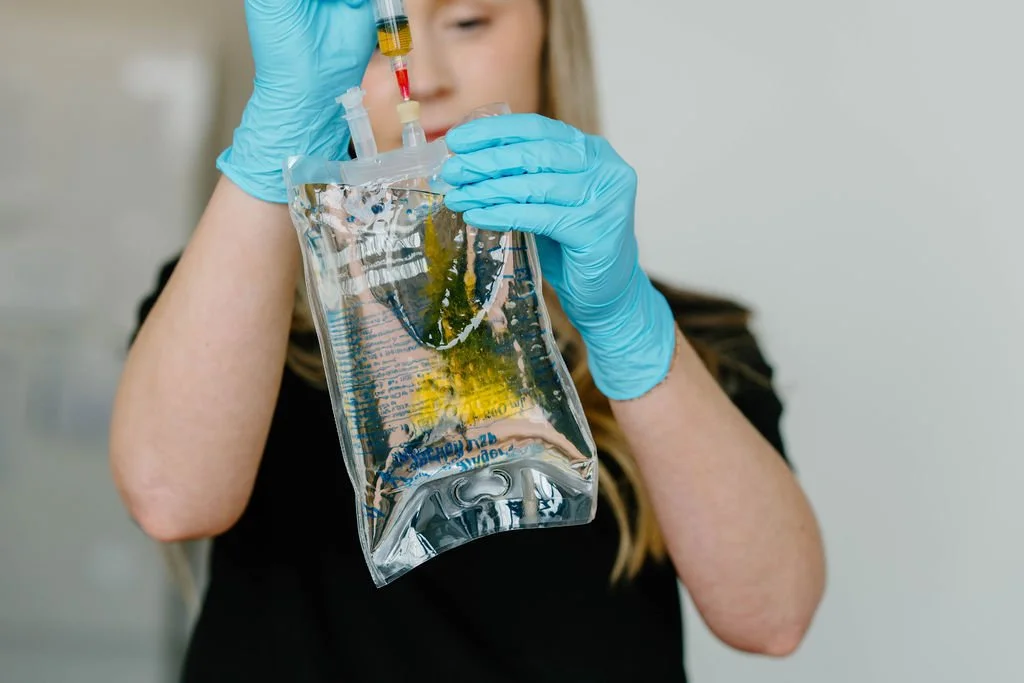
Heavy metal toxicity is one of the most oversold ideas in wellness and also a real medical problem, which makes it genuinely hard to get straight information about. The symptoms are vague and overlap with a dozen other conditions. The testing is easy to do wrong, and a whole industry runs on tests that do not mean what patients are told they mean. If you have been wondering whether metals are part of your picture, our detox support starts with finding out rather than assuming, and this piece explains why that order matters.
Which metals actually come up
Four account for most legitimate concern.
Lead is the most consequential, particularly for children. It comes from paint in homes built before 1978, from old plumbing and service lines, from some imported ceramics and cosmetics, and from certain occupations and hobbies. Shooting ranges, battery work, radiator repair, and stained glass all show up in exposure histories.
Mercury exists in two forms that behave differently. Methylmercury accumulates in large predatory fish, which is why swordfish, shark, king mackerel and tilefish carry advisories. Elemental mercury exposure is mostly occupational or from broken devices.
Cadmium comes primarily from cigarette smoke, which is the single largest source for most people who have it, along with some industrial work.
Arsenic turns up in some private well water, in some rice and rice products, and in older pressure-treated lumber.
If none of those describe your life, metals are a less likely explanation for how you feel than the internet suggests.
Heavy metal toxicity symptoms
The reason this is hard: almost every symptom on the list is also caused by twenty other things.
Chronic lower-level exposure tends to produce fatigue, headaches, trouble concentrating or remembering, irritability or mood changes, numbness or tingling in hands and feet, muscle and joint aches, digestive upset, and high blood pressure. Lead in particular is linked to anemia and to kidney effects over time.
Acute or high-level exposure looks different and more dramatic: severe abdominal pain, vomiting, confusion, and in the case of lead a characteristic line on the gums. That is an emergency, not a wellness appointment. If you think you have had a significant exposure, call your physician or Poison Control rather than booking a drip.
For everyone in the chronic, vague, could-be-anything category, the honest position is that symptoms alone cannot tell you. Which brings us to testing.
Testing: what is reliable and what is not
This section is why we wrote the piece.
Blood testing is the standard for recent or ongoing exposure and it is the test most physicians use. Blood lead level is the accepted measure for lead. The limitation is that blood reflects recent exposure, because metals move out of blood into bone and tissue over weeks to months. So blood can be reassuring about right now and still miss an old exposure.
Unprovoked urine testing measures what your body is currently excreting. It is legitimate and it is used clinically.
Hair mineral analysis is the one to be skeptical about. It is popular, it is cheap, and it is not a reliable diagnostic for body burden. Results vary between labs on split samples from the same person, and external contamination from shampoo, dye, and treatment products confounds it. It can occasionally be a useful signal in a specific exposure investigation. It is not proof you are toxic, and a clinic that hands you a hair analysis chart and a treatment plan in the same visit is doing something we would not do.
Provoked urine testing is the other one worth understanding. This is where a chelating agent is given and then urine is collected, and the result predictably shows elevated metals, because that is what a chelating agent does. There are no established reference ranges for provoked results, and the practice is not supported by mainstream toxicology. Patients are frequently shown a big number from a provoked test and sold a long course of treatment on the strength of it.
Our lab testing page covers what we order. Our providers will tell you when a result is inconclusive, which is often, rather than reading certainty into it.
If you have already had testing somewhere and were told you were toxic, bring the actual report in. Call (918) 265-4811 and we will look at what was measured and how.
What support actually looks like
Start with the boring answer, because it is the most important one: if there is an ongoing exposure, finding and removing it does more than any therapy. Old paint, well water, an occupational source, a hobby, or cigarettes. No amount of infusion outruns a source you are still standing in.
Chelation is the medical treatment for confirmed significant toxicity. It is a prescription treatment, it carries real risks including effects on kidney function and depletion of minerals your body needs, and it is not something anyone should be doing casually or on the basis of a hair test. EDTA's FDA-approved use is for lead poisoning specifically, not as a general detox or wellness therapy, and we wrote separately about the cardiovascular research on EDTA chelation therapy because that is a distinct and much-debated question.
The supportive side is what most of our patients are actually asking about. Your body already has systems for processing and clearing things, and those systems run on nutrients and on adequate glutathione. Patients with long-running illness are commonly depleted, and supporting that machinery is reasonable on its own terms whether or not metals turn out to be part of the story. We covered the mechanics in glutathione, NAD+ and the body's detox pathways in chronic illness, and the therapies themselves are listed on our advanced IV therapy page.
What we will not do is tell you an IV pulls metals out of your tissue. That is not what it does.
Where this fits for chronic illness patients

Most people who ask us about metals are not asking in isolation. They are years into something unexplained and working through a list of possible contributors.
That is a reasonable thing to do, and metals are a reasonable item on the list. They are also frequently not the answer, and a good clinic tells you when a line of investigation came back empty instead of finding something to treat anyway.
We see patients from Owasso and across the Tulsa metro who have been through this cycle several times. If you want someone to look at your exposure history and your existing results honestly, book a consultation or call (918) 265-4811.
Frequently asked questions
How do I know if I have heavy metal toxicity? You cannot know from symptoms, because they overlap with too many other conditions. It takes an exposure history plus appropriate testing, usually blood or unprovoked urine, interpreted by someone who will tell you when the result is unclear.
Is hair analysis a reliable heavy metal test? Not for diagnosing body burden. Results vary between labs on the same sample and external contamination from hair products confounds it. Treat a hair analysis result as a conversation starter at most, never as proof.
What is a provoked urine test and should I get one? It is a urine collection taken after a chelating agent is given. It reliably produces elevated numbers because that is how chelating agents work, and there are no established reference ranges for interpreting it. It is widely used to sell treatment. We would not base a plan on it.
Does IV therapy remove heavy metals? No. Nutrient and glutathione support helps supply the systems your body uses to process and clear things. It is not a metal-removal treatment, and chelation is a separate prescription medical treatment with real risks.
What should I do if I think I had a serious exposure? Contact your physician or Poison Control right away. High-level exposure is a medical situation that needs proper evaluation, not a wellness appointment.
Double-click to edit...
