
Effective IV Therapy for Hydration and Fluid Replacement
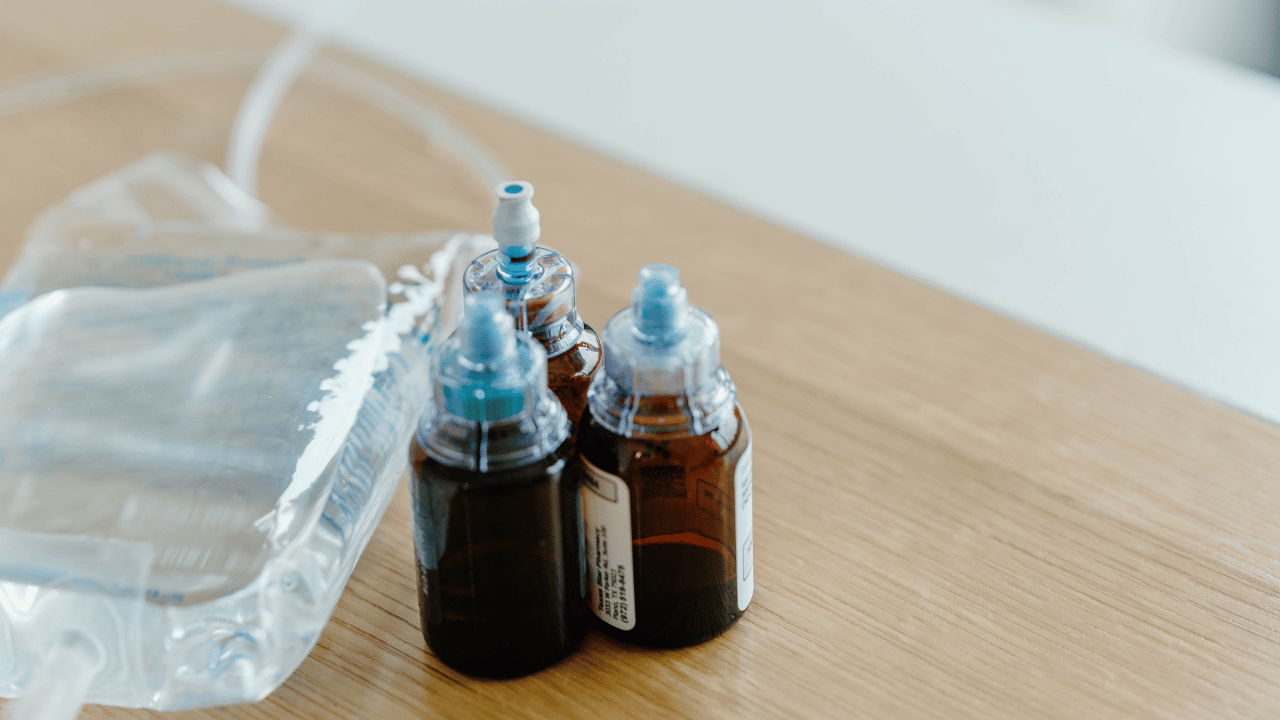
IV hydration treats dehydration by delivering fluids, electrolytes, and select micronutrients straight into the bloodstream for faster symptom relief and physiological recovery than drinking fluids alone. Below, we explain how IV therapy quickly expands plasma volume and corrects electrolyte imbalances, review common causes and signs of dehydration, and outline how clinicians choose and deliver rehydration care. If you’re in Owasso, WellSpot IV offers clinician-led hydration services designed for rapid recovery and ongoing wellness support. The sections that follow cover causes and warning signs, how a dehydration IV works (including an ingredient breakdown), clinical and performance benefits vs. oral rehydration, who tends to benefit, how to book, and why local patients choose WellSpot IV. Keywords like hydration therapy, dehydration IV, fluid replacement, and IV hydration are woven throughout to help you evaluate options and decide when to seek timely care.
TL;DR
Rapid Relief: IV hydration delivers fluids, electrolytes, and micronutrients directly into the bloodstream for immediate dehydration relief.
Faster Recovery: Bypasses the digestive system, ensuring quicker absorption and more effective restoration of plasma volume and electrolyte balance.
Comprehensive Guide: Learn about the causes and symptoms of dehydration, how IV therapy works, its benefits over oral rehydration, and ideal candidates.
WellSpot IV in Owasso: Offers clinician-led, personalized IV hydration services for rapid recovery and overall wellness support.
What Causes Dehydration and What Are Its Common Symptoms?
Dehydration happens when you lose more fluid than you take in, which can disrupt cell function and shrink plasma volume, leading to symptoms such as fatigue, lightheadedness, and reduced organ performance. Typical causes include losses from sweating, vomiting, diarrhea, low intake, and certain medications that increase urine output; each pathway can upset electrolyte balance and cellular hydration. Spotting early signs lets you intervene before dehydration becomes severe and helps determine whether oral rehydration is sufficient or if clinical IV therapy is needed. Below, we list common contributors and simple early steps to lower risk.
Frequent causes: heavy exercise, gastroenteritis with vomiting or diarrhea, and prolonged heat exposure that increases sweating and insensible losses.
Other contributors: alcohol use, poor fluid intake during illness, and medications that cause diuresis or salt loss.
Higher-risk groups: endurance athletes, infants and older adults, people working in hot conditions, and anyone with persistent vomiting or diarrhea who cannot keep fluids down.
These scenarios show why effective rehydration must address both fluid volume and electrolyte composition to restore balance and relieve symptoms quickly.
Which Factors Lead to Dehydration: Exercise, Illness, and Heat Exposure?
Exercise-linked dehydration comes from sweat-driven losses of water and electrolytes, which rise with activity intensity and environmental heat. Athletes often lose significant sodium and potassium in addition to water. Illness-related dehydration from gastroenteritis causes rapid fluid and electrolyte depletion via vomiting and diarrhea, and oral fluids may be ineffective when nausea or intolerance persists. Heat exposure increases insensible losses and can be worsened by inadequate intake or medications that affect thermoregulation; early cooling and electrolyte replacement help prevent progression. Knowing these mechanisms clarifies why some situations call for clinical rehydration instead of home fluids the next section reviews the signs that indicate worsening dehydration.
What Are the Typical Signs of Dehydration Like Fatigue and Dizziness?
Signs of dehydration range from mild thirst and dry mouth to more worrisome findings such as orthostatic dizziness, low urine output, and dark urine, markers of reduced kidney perfusion and concentrated urine. Fatigue and brain fog often result from lower plasma volume, reducing cerebral blood flow, and from electrolyte shifts that affect nerve function; muscle cramps commonly reflect sodium or magnesium deficits. Severe dehydration can show as rapid heart rate, low blood pressure, sunken eyes, or confusion warning signs that need urgent medical attention. Recognizing this spectrum helps you decide when to try oral rehydration and when IV therapy may be the safer, faster choice.
How Does WellSpot IV's Dehydration IV Therapy Work for Rapid Fluid Replacement?
A dehydration IV restores circulating volume and corrects electrolyte imbalances by delivering isotonic fluids and targeted electrolytes directly into the bloodstream, producing immediate plasma expansion and faster relief. Because the GI tract is bypassed, fluids and minerals are fully available to the circulation, speeding recovery from volume depletion and helping normalize ionic gradients that support muscle and brain function. A typical visit includes a quick clinical assessment, sterile IV placement by a trained clinician, a monitored infusion of a tailored saline-electrolyte mix, and a brief observation period to confirm improvement.
What Are the Key Ingredients in a Dehydration IV Drip and Their Roles?
A typical dehydration IV centers on isotonic saline to restore circulating volume, with added electrolytes and select vitamins to correct specific deficits and speed symptom recovery. Sodium in saline rapidly expands plasma volume and helps normalize blood pressure; potassium corrects losses that can cause muscle weakness or rhythm issues when severe. Magnesium supports nerve and muscle function and can reduce cramping, while B-complex vitamins and vitamin C support cellular energy and immune resilience during recovery. Sterility, exact dosing, and clinician oversight ensure each component is delivered safely and tailored to the patient’s needs, leading into the next section on absorption dynamics and expected onset of benefit.
What Is the Science Behind Rapid Absorption and Rehydration via IV Therapy?
IV therapy offers near-complete bioavailability because fluids and solutes enter plasma directly, avoiding the delays and variable absorption of the GI tract, especially important when vomiting or severe diarrhea prevents oral rehydration. Plasma expansion begins as isotonic fluid increases intravascular volume, improving cardiac output and tissue perfusion within minutes; electrolyte levels equilibrate between compartments over tens of minutes to hours, depending on cellular uptake. Many patients notice reduced dizziness, improved headache, and better energy within 30–60 minutes, with continued recovery over several hours as cells rehydrate. These pharmacokinetic and physiologic features explain why IV therapy is often the preferred rapid option for moderate-to-severe dehydration.
Ongoing research explores precisely how intravenous fluid loading affects renal sodium and water transport mechanisms.
IV Saline & Glucose: Renal Sodium & Water Transport
This research highlights the distal nephron’s role in regulating sodium balance, extracellular volume, and blood pressure. Measures such as urinary aquaporin-2 (u-AQP2) and the γ-fraction of epithelial sodium channels (u-ENaCγ) reflect water and sodium transport in collecting-duct principal cells. The acute effects of isotonic and hypertonic saline and isotonic glucose on these markers after an intravenous volume load have not previously been studied in a randomized, placebo-controlled trial in healthy humans.
Effect of volume expansion with hypertonic-and isotonic saline and isotonic glucose on sodium and water transport in the principal cells in the kidney, JM Jensen, 2013
What Are the Benefits of IV Hydration Therapy for Dehydration Relief?

IV hydration gives predictable, rapid fluid and electrolyte correction and often eases dehydration symptoms faster than oral methods because it restores intravascular volume and ionic balance with controlled dosing. Benefits range from immediate physiological improvements like more stable blood pressure and fewer orthostatic symptoms to practical gains such as reduced headache, less nausea, and quicker return of energy and mental clarity. For many people, pairing fluids with micronutrients (B vitamins, magnesium, vitamin C) supports both physical recovery and immune resilience when illness or heavy exertion causes dehydration.
At WellSpot IV, we personalize hydration drips to match your symptoms and wellness goals, combining IV hydration with other modalities as appropriate and adjusting formulations under clinician supervision for safety and effectiveness.
How Does IV Therapy Improve Energy, Mental Clarity, and Recovery?
IV therapy restores plasma volume and corrects electrolyte and micronutrient deficits that can impair nerve signaling and cellular energy production. When dehydration reduces brain perfusion, rehydration helps restore oxygen and nutrient delivery to neural tissue, often lifting mental fog and improving alertness within a short time. B-complex vitamins in some drips support coenzymes needed for ATP production, which helps people feel more energetic after infusion. These physiological changes translate into practical benefits for athletes after strenuous activity, patients recovering from illness, and anyone who needs a quick return of function.
What Specialized IV Drips Complement Dehydration Treatment at WellSpot IV?
Beyond a core hydration formula, we offer complementary drips that focus on energy, immune support, or antioxidant protection to enhance recovery when appropriate. Energy blends (B-complex) support metabolic recovery after intense exertion, while immune-supportive additions like vitamin C can be included when illness contributes to dehydration. Our clinicians personalize each infusion, so targeted elements are added only as needed, maximizing benefit while minimizing unnecessary components and risk. This tailored approach feeds directly into the comparison between IV and oral rehydration below.
How Does IV Therapy Compare to Oral Rehydration for Effective Hydration?
IV therapy beats oral rehydration in speed and predictability because it bypasses GI absorption, but oral solutions are usually the best first step for mild dehydration due to convenience, lower cost, and adequate effectiveness. IV advantages include precise control over fluid and electrolytes, immediate plasma volume expansion, and suitability when vomiting or altered mental status prevents oral intake. Oral rehydration remains the right choice for many mild cases, maintenance needs, and public-health situations where infusions aren’t practical. Use the checklist below to help decide when IV therapy is the better option.
Severe symptoms: Rapid heart rate, low blood pressure, or confusion, seek IV therapy promptly.
Inability to retain fluids: Persistent vomiting or severe diarrhea favors IV over oral solutions.
Need for fast recovery: Athletes or professionals with time-sensitive goals may opt for IV therapy.
Mild dehydration: Thirst or lightheadedness without systemic signs is usually managed with oral rehydration and monitoring.
This guide clarifies that IV therapy is a targeted clinical intervention when speed, absorption, or safety limit oral strategies.
When Is IV Therapy Preferred Over Drinking Water or Oral Solutions?
IV therapy is preferred when you cannot tolerate or retain oral fluids, when rapid rehydration is needed to support hemodynamic stability, or when significant electrolyte disturbances require controlled replacement. Common situations include persistent vomiting, ongoing losses from severe gastroenteritis, marked orthostatic hypotension, and high-performance recovery where minutes matter. IV therapy is also appropriate when oral routes are unreliable or when quick reversal of cognitive impairment from low blood volume is clinically indicated. These scenarios underscore the importance of clinical assessment to choose the safest, most effective rehydration path.
What Are the Advantages of Direct Intravenous Fluid Delivery?
Direct IV delivery offers immediate intravascular volume restoration, exact dosing of electrolytes and micronutrients, and the ability to combine therapeutic agents under clinician supervision. This reduces variability in absorption, enables rapid correction of imbalances that affect cardiac and neuromuscular function, and allows monitoring during infusion so therapy can be adjusted in real time. Clinician oversight helps minimize risks like fluid overload or electrolyte mismanagement, making IV therapy a controlled option for moderate-to-severe dehydration. Understanding these benefits supports informed decisions about when clinical IV rehydration is appropriate.
Who Can Benefit from IV Therapy for Dehydration and How to Book a Session?
IV hydration helps a wide range of people who need prompt rehydration from athletes recovering after intense exercise to busy professionals needing quick functional recovery, and anyone recovering from illness that limits oral intake. A typical session includes a short clinician consultation, sterile IV placement, a monitored infusion, and a brief post-infusion observation with aftercare guidance; sessions are efficient while prioritizing safety.
If you live in Owasso and want clinician-led IV hydration, WellSpot IV accepts appointments by phone or in person at the clinic. Our staff can advise on timing and formulations based on your symptoms.
Which Individuals Are Ideal Candidates: Athletes, Professionals, or Illness Recovery?
Athletes who need fast recovery to restore performance and correct electrolyte losses are good candidates for IV hydration when oral measures aren’t enough, especially after prolonged effort or in hot conditions. Busy professionals who require a quick return of focus and energy can benefit when mild-to-moderate dehydration impairs productivity, and oral fixes would delay recovery. People recovering from illnesses that limit oral intake, like persistent vomiting or diarrhea, may need IV therapy to prevent worsening dehydration and safely restore electrolytes. These profiles show practical reasons to seek clinician-guided IV care instead of relying solely on home remedies.
What to Expect During Your IV Hydration Therapy Appointment at WellSpot IV?
During a typical appointment at WellSpot IV, you’ll have a brief intake and symptom review with a clinician, sterile IV placement, a monitored infusion of a personalized hydration solution, and a short observation period to confirm improvement and receive aftercare instructions. We prioritize comfort and safety: clinicians check vital signs, watch infusion tolerance, adjust rate or composition if needed, and give clear guidance about fluids and activity afterward. Most visits are completed within an hour, depending on infusion volume, and clinician oversight ensures therapy is tailored to your needs so you leave with a clear recovery plan.
Why Choose WellSpot IV in Owasso for Your Dehydration IV Therapy Needs?
WellSpot IV in Owasso is a local IV nutrition and wellness clinic that combines clinician-led hydration with complementary services to support recovery and preventive health. Our model emphasizes personalized IV formulations delivered under nurse or NP supervision, plus options like intramuscular injections, infrared sauna with red light therapy, and advanced wellness lab testing to identify contributors to recurrent dehydration or slow recovery. Patients routinely report faster symptom relief and improved energy after sessions, reflecting our focus on safety, personalization, and a comfortable clinic experience. The sections below summarize clinician credentials and patient feedback that build trust in local care.
How Does Courtney Garner’s Expertise Enhance Your Wellness Experience?
Courtney Garner, NP, is the founder and a double-board-certified Family Nurse Practitioner and Functional Medicine Practitioner associated with WellSpot IV. Her clinical oversight ensures IV formulations are chosen and given with attention to medical history, medication interactions, and symptom patterns, improving both safety and therapeutic fit. This practitioner-led approach supports individualized care plans that can include follow-up testing or adjunct therapies when needed, distinguishing a medicalized IV model from non-clinical alternatives and contributing to better patient outcomes.
What Do Patient Testimonials Reveal About Dehydration Relief at WellSpot IV?
Patient feedback frequently highlights rapid symptom relief, attentive clinician care, and a comfortable clinic environment, consistent themes that underscore the practical benefits of clinician-run IV hydration. Many patients report measurable gains in energy, reduced headache, and faster recovery after illness or exertion, which aligns with the physiological mechanisms discussed earlier. We encourage local readers to consider these outcomes when evaluating IV options and to contact WellSpot IV by phone or in person at our Owasso location to see if clinician-guided IV hydration fits their needs. These reported experiences help set reasonable expectations for what a hydration session can achieve.
Key takeaways: Rapid symptom relief, clinical oversight, and personalized formulations help optimize recovery from dehydration.
Booking note: To schedule a consultation or appointment, call the clinic’s phone number or visit the clinic during regular hours.
Contact details: WellSpot IV, 201 S Main St, Suite 180, Owasso, OK 74055; phone (918) 265-4811.
This final information connects clinical benefits to practical next steps for local readers seeking professional rehydration services.
Support Your Recovery
IV hydration provides a fast, reliable way to restore fluids and electrolytes when dehydration is interfering with how you feel and function. Delivered under clinician supervision, personalized formulations relieve symptoms like fatigue and dizziness while supporting overall recovery. If you’re in Owasso, consider WellSpot IV’s tailored hydration services as a practical step toward feeling like yourself again. Contact us to discuss how we can help with your hydration needs.
