
Discover Stress Relief Benefits of Infrared Sauna Therapy

Infrared sauna therapy uses specific wavelengths of light to produce deep, penetrating warmth that heats tissues directly and supports a calming, restorative experience. In this article you’ll learn what an infrared sauna is, how infrared heat and red light therapy work together to relieve muscle tension, and which physiological pathways, like cortisol regulation and endorphin release, explain the mental and physical benefits. For people looking for non-drug options for chronic stress or soreness, infrared saunas are a practical, research-backed option that pairs heat therapy with photobiomodulation to aid recovery and lift mood. We’ll also cover detox and circulation effects, simple preparation and aftercare, safety and frequency guidelines, local options in Owasso, and how personalized wellness integration, including complementary IV therapy, can extend results.
TL;DR
Infrared saunas use light wavelengths for deep, penetrating warmth.
They offer a calming, restorative experience, relieving muscle tension and stress.
Benefits include improved mood, cortisol regulation, and endorphin release.
The therapy aids in detoxification, circulation, and post-exercise recovery.
This article covers how it works, preparation, safety, and integration with personalized wellness plans.
What Is an Infrared Sauna and How Does It Support Relaxation?
An infrared sauna is a heat-therapy cabin that emits infrared wavelengths to warm your body directly instead of heating the air around you. That direct tissue warming promotes targeted penetration, increases peripheral blood flow, relaxes skeletal muscle, and nudges the parasympathetic nervous system toward a calmer state. Compared with traditional saunas, infrared units run at lower room temperatures while still delivering deep, effective warmth to muscles and joints, so sessions often feel gentler but remain highly effective. That’s why many clients notice fast muscle relaxation and a clear sense of calm after just one visit.
Infrared saunas support relaxation through a mix of local heat effects and whole-body autonomic changes that set the stage for better mood and restorative sleep. The next section explains how infrared heat reaches deeper tissues to ease tension and speed recovery.
How Infrared Heat Penetrates to Ease Muscles and Reduce Stress
Near- and far-infrared wavelengths penetrate skin and subcutaneous tissue more effectively than ambient heat, delivering energy that raises tissue temperature and reduces stiffness. That localized warming dilates capillaries, improving circulation and oxygen delivery to stressed muscles while helping remove metabolic waste; together these effects speed recovery and lower perceived pain. As circulation improves and muscles loosen, sensory signals to the central nervous system change in ways that favor parasympathetic activation and a felt sense of relaxation. In practice, many people report less ache and faster post-exercise recovery after a few sessions, supporting regular use for ongoing muscle relief and stress management.
Clinical research supports far-infrared saunas for muscle recovery and a comfortable, relaxing bathing experience.
Far‑Infrared Sauna for Muscle Recovery & Relaxation
In short, deep penetration of infrared heat (about 3–4 cm into fat tissue and the neuromuscular system) at mild temperatures (35–50°C) with light humidity (25–35%) appears favorable for neuromuscular recovery after intense endurance performance. Far‑infrared bathing is a light overall load on the body and provides a comfortable, relaxing experience.
Effects of far-infrared sauna bathing on recovery from strength and endurance training sessions in men, 2015
How Red Light Therapy Enhances Sauna Benefits
Red light therapy, delivered as red and near‑infrared panels alongside infrared heaters, uses photobiomodulation to influence cellular activity and support repair. These wavelengths reach the cellular level where they can modulate mitochondrial function, boost ATP production, and reduce inflammatory signaling, processes that support skin health and post-exercise recovery. Paired with infrared heat, red light can amplify regeneration and mood effects by combining better circulation with improved cellular metabolism. That synergy is why many clients use infrared sauna sessions with red light to target both immediate relaxation and longer-term repair.
How Does Infrared Sauna Therapy Reduce Stress and Improve Mental Health?
Infrared sauna therapy can reduce stress and support mental health by shifting stress hormones, promoting neurotransmitter release, and activating restorative autonomic pathways that produce sustained mood benefits. Regular sessions may help normalize cortisol rhythms, increase endorphin and serotonin availability, and reinforce parasympathetic dominance after exposure, all of which lower perceived stress and can reduce anxiety. These neuroendocrine and autonomic changes translate into practical gains like better sleep, less rumination, and clearer thinking after consistent use. Below we summarize the main physiological effects with practical takeaways.
The table below condenses key mental‑health mechanisms, the physiological target, and typical effects users report.
Different sauna-induced physiological changes work together to support stress relief and improved mood.
How Infrared Sauna Helps Balance Cortisol and Calm the Mind
Infrared exposure can influence the hypothalamic–pituitary–adrenal (HPA) axis, helping to lower or normalize cortisol when used regularly and safely. While a single heat exposure may cause a temporary rise in stress hormones, repeated sessions often produce adaptive downregulation that improves resilience to day‑to‑day stress. Start with shorter, moderate sessions and increase gradually to reduce risk and encourage beneficial HPA adaptations. For many people, two to three consistent sessions per week produce measurable reductions in baseline stress and a greater ability to handle everyday demands.
Studies have specifically examined how infrared sauna sessions affect cortisol and autonomic nervous system responses.
Infrared Sauna: Cortisol & Autonomic Responses
This study examined post‑exercise infrared sauna effects on adrenal and autonomic nervous system responses and tracked how those responses adapt over time.
Salivary cortisol response to post‑exercise infrared sauna declines over time, H Kyröläinen, 2025
Cortisol regulation complements the neurotransmitter shifts that produce the mood benefits discussed below.
How Infrared Sauna Boosts Endorphins and Serotonin to Improve Mood
Heat from infrared saunas can trigger endogenous opioids like endorphins and support increased serotonin turnover; both of which lift mood and create the calming, slightly euphoric feeling many users describe. These biochemical responses reduce pain perception and raise baseline mood, which can be especially helpful for people managing chronic stress or mild depressive symptoms. To get the most mood benefit, many practitioners suggest sessions in the late afternoon or early evening to help with sleep onset. Simple practices such as deep, steady breathing during the session also boost parasympathetic activation and deepen the relaxation effect.
What Physical Benefits Can You Expect from Infrared Sauna Sessions?
Infrared sauna sessions offer several physical benefits: sweating and detoxification, improved circulation, enhanced muscle recovery, and better skin health, each driven by heat‑mediated vascular and cellular processes. Vasodilation improves nutrient delivery and waste clearance, while photobiomodulation supports mitochondrial repair; together these effects speed recovery and reduce discomfort. Many clients add sauna sessions to broader recovery routines, combining heat with hydration and gentle mobility to maximize results.
How Infrared Sauna Supports Detoxification and Circulation
Infrared saunas encourage sweating at lower ambient temperatures, which supports thermoregulatory detoxification and may help mobilize certain toxins into sweat. While the liver and kidneys remain the primary detox pathways, sauna‑induced sweating can complement those systems by mobilizing peripheral stores and improving circulation. Heat‑driven vasodilation increases capillary perfusion and helps lymphatic flow, reducing muscle soreness and speeding nutrient exchange. To support detox safely, prioritize hydration, replace electrolytes as needed, and keep session lengths moderate while you build tolerance.
Can Infrared Sauna Help with Muscle Recovery and Pain?
Infrared heat aids muscle recovery and pain management by increasing local blood flow, easing stiffness, and lowering inflammatory signaling after exertion or injury. Athletes and people with chronic musculoskeletal discomfort often report less delayed‑onset muscle soreness and better range of motion when sauna sessions are part of a recovery plan. For acute post‑workout recovery, short, moderate sessions can speed repair without overloading the body; chronic pain often benefits from consistent scheduling and adjunct therapies. Pairing sessions with rehydration and, when appropriate, clinical treatments can further improve outcomes.
Why Choose WellSpot IV’s Infrared Sauna Experience in Owasso?
WellSpot IV combines infrared heat with red light therapy in a calm, upscale setting designed to support detox, pain relief, weight‑management support, mood improvement, and cellular repair. We pair sauna services with Personalized IV Therapy and Wellness Plans, and offer memberships, including an "Unlimited Infrared Sauna" option, to encourage consistent use and stronger results. Clinical oversight is available from our team, including Courtney Garner, a double‑board‑certified Family Nurse Practitioner and Functional Medicine Practitioner, who helps integrate sauna sessions into tailored wellness plans. Together, these features create a clear path for clients seeking clinical‑grade recovery and relaxation in Owasso.
What Makes Our Infrared Sauna with Red Light Therapy Stand Out?
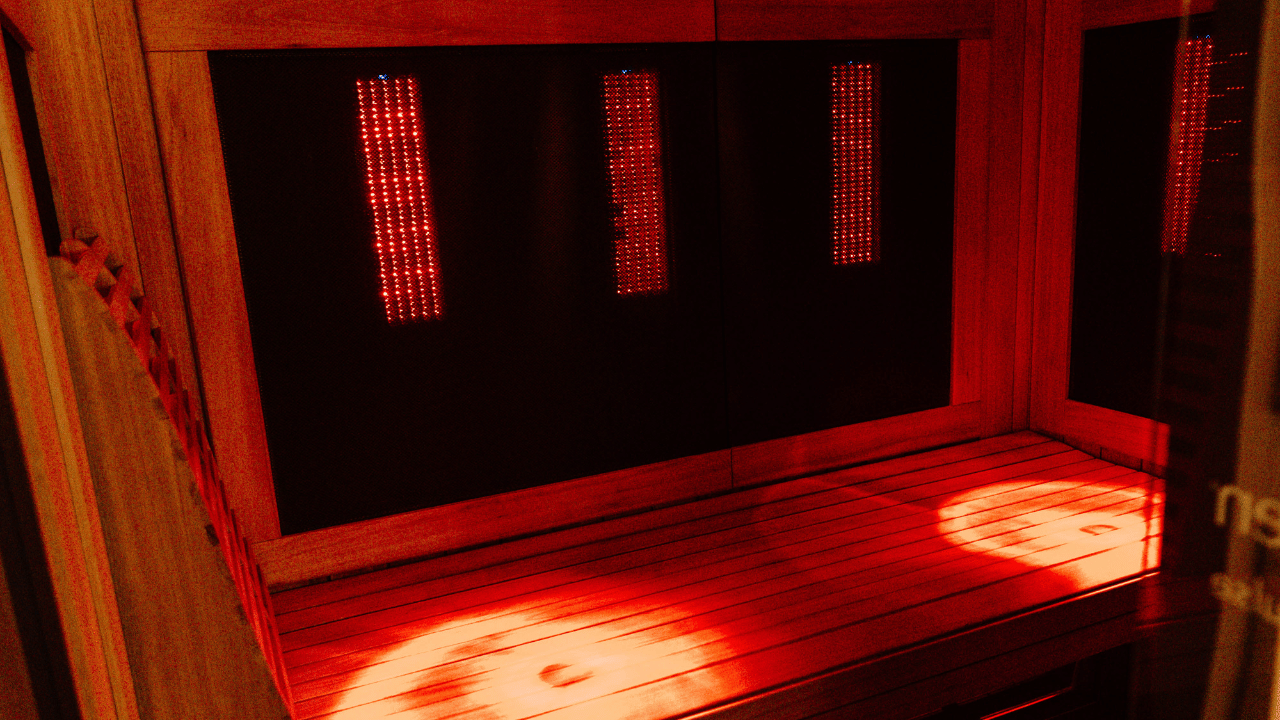
Combining infrared heaters with integrated red light panels lets us deliver deep, comforting warmth while simultaneously applying photobiomodulation at the cellular level, giving you immediate relaxation and longer‑term repair benefits. Practically, this pairing helps reduce muscle tension faster while stimulating mitochondrial activity that supports tissue recovery and skin rejuvenation. Our Owasso space is designed to feel luxurious and calming, and our staff help you tailor session length and frequency to your goals. Visuals, photos or simple diagrams, can help prospective clients understand panel placement and how the therapy is delivered.
How Personalized Wellness Integration Enhances Your Sauna Sessions
Personalized wellness integration means combining infrared sauna sessions with complementary clinical services, such as IV therapy, IM injections, and advanced lab testing, to address hydration, nutrient status, and underlying drivers of fatigue or slowed recovery. By aligning sauna use with targeted IV therapy and individualized wellness plans, clinicians help clients optimize recovery windows, correct deficiencies, and track progress. WellSpot IV highlights Personalized IV Therapy and Wellness Plans as part of an integrated approach that supports both short‑term relaxation and longer‑term resilience. Memberships, including "Unlimited Infrared Sauna," make it easier to stick to a therapeutic schedule that yields the best results over time.
What to Expect During and After an Infrared Sauna Session
During an infrared sauna session you can expect gentle, penetrating warmth, gradual sweating, and a quick sense of muscle relaxation as circulation shifts and the autonomic nervous system moves toward a parasympathetic state. Sessions typically last 20–40 minutes depending on tolerance and goals; beginners should start shorter, while experienced users may extend time for deeper recovery. After your session, rehydration and gradual cooling are important to restore fluid balance and support detoxification and recovery. The steps below outline how to prepare and recover so you get the most from each visit.
The checklist that follows puts preparation into a short, actionable sequence you can follow before arrival.
Prepare well to maximize comfort and outcomes.
Hydrate well: Drink water before your session to support sweating and circulation.
Wear light, breathable clothing: Loose cotton or a towel keeps you comfortable and helps sweat evaporate.
Avoid heavy meals: A light snack 60–90 minutes before your session minimizes discomfort.
Arrive a few minutes early: Give yourself time to acclimate and discuss any medical considerations with our staff.
These simple steps reduce the chance of discomfort and set the stage for a productive session, leading naturally into post‑sauna recovery recommendations.
How to Prepare for Your Infrared Sauna Session for Best Results
To prepare, hydrate, choose modest, breathable clothing, and time your session so it supports your day; many people prefer an afternoon or evening session to help with sleep. Avoid alcohol and heavy meals just before a visit; remove jewelry to prevent hot spots. If you’re new to infrared saunas, start with shorter sessions at moderate temperatures to build tolerance. Always tell staff about any medical concerns so clinicians can recommend session duration and frequency that match your health profile.
Recommended Post‑Session Care
After a session, focus on rehydration, gentle cooling, and a short recovery period so your autonomic system can stabilize and cellular repair can continue. Replace fluids with water and electrolytes, cool down gradually rather than with abrupt temperature changes, and rest or do light stretching to maintain improved circulation. Optional supportive services, like IV therapy for hydration or nutrient replenishment, are available for those seeking faster recovery or an energy boost; these services are designed to highlight our IV therapy and wellness options and make booking easy. If you feel lightheaded or experience prolonged discomfort, consult a clinician before your next session.
Common Questions About Infrared Sauna Safety and Use
People often ask who should avoid saunas, how often to use them for stress relief, and how to combine sessions with medical treatments or medications. Infrared sauna use is generally safe for healthy adults when sessions are moderate and hydration is maintained, but some individuals should consult a clinician first. The FAQ‑style guidance below offers clear, evidence‑informed advice on safety, contraindications, and recommended frequency so you can plan responsibly.
The numbered guidance that follows answers common safety and frequency questions in a concise way.
How often should you use an infrared sauna? Aim for 2–4 sessions per week for stress relief, adjusting frequency to match your tolerance and goals.
Are short sessions safe for beginners? Yes, start with 10–15 minute sessions and increase duration gradually as you adapt.
When should you consult a clinician? Talk to a professional if you’re pregnant, have implanted medical devices, cardiovascular disease, or take medications that affect heat tolerance.
Is Infrared Sauna Therapy Safe for Everyone?
Infrared sauna therapy is safe for many healthy adults when sessions are brief to moderate and hydration is maintained, but it isn’t appropriate for everyone without medical guidance. Contraindications include pregnancy, unstable cardiovascular conditions, certain implanted devices, and medications that impair thermoregulation; people in these groups should consult a clinician before using a sauna. WellSpot IV provides clinical oversight and can recommend safe protocols tailored to your health profile. When in doubt, review your medical history with a qualified practitioner to determine safe session length and frequency.
How Often Should You Use an Infrared Sauna for Maximum Stress Relief?
For consistent stress relief, evidence‑informed guidance typically recommends 2–4 infrared sauna sessions per week, with sessions lasting 20–40 minutes depending on experience and comfort. Beginners should start shorter and increase time gradually to allow physiological adaptation and avoid overheating. Regular, consistent use, rather than sporadic visits, tends to produce the most reliable cortisol benefits, mood improvements, and recovery outcomes. Pairing sessions with hydration and complementary therapies, like WellSpot IV’s Personalized IV Therapy and Wellness Plans, can further enhance stress relief and recovery where clinically appropriate.
Reduce Your Stress Now
Infrared sauna therapy offers a holistic way to relax, reduce stress, and support muscle recovery by combining targeted infrared heat with red light therapy. By improving circulation, supporting cortisol balance, and encouraging endorphin release, regular sessions can deliver meaningful improvements in physical and mental well‑being. When paired with personalized wellness integration, these benefits can deepen and last longer; explore our services to see how sauna therapy can fit into your routine.
