
Discover How Red Light Therapy Helps You Sleep Better
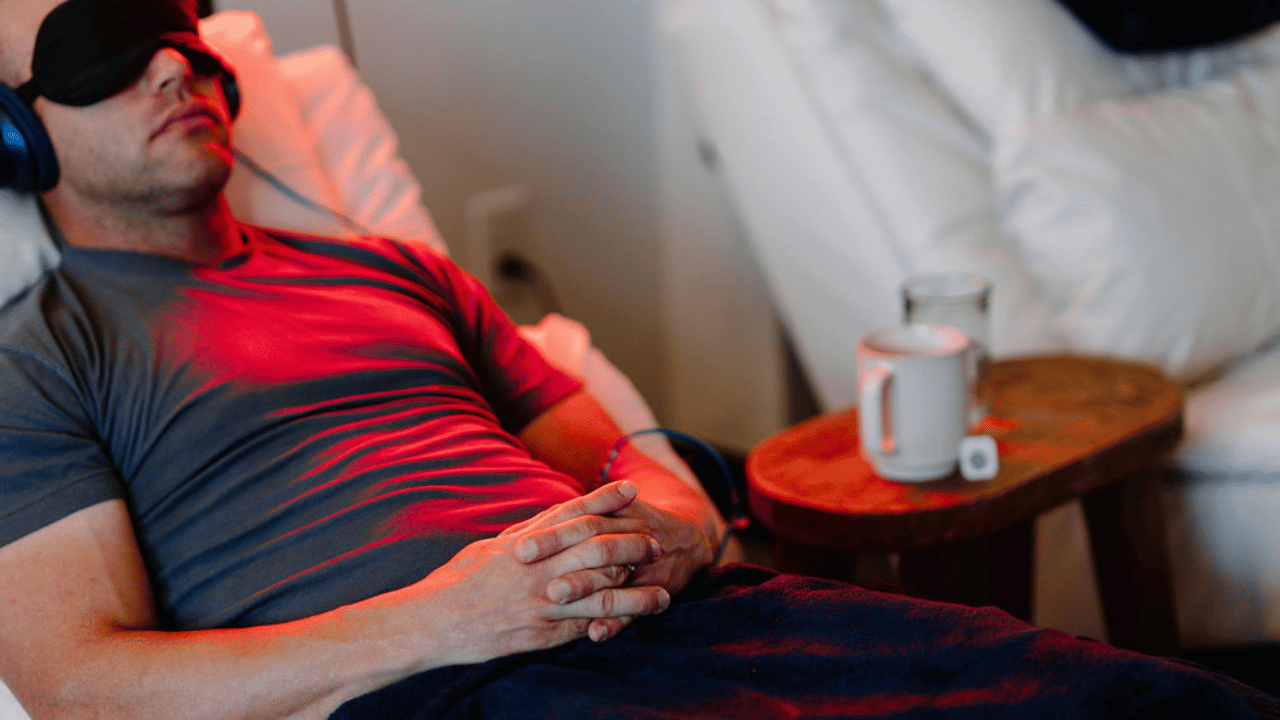
Red light therapy has emerged as a promising alternative for those struggling with sleep issues. This innovative treatment utilizes specific wavelengths of light to enhance sleep quality and regulate sleep patterns. In this article, we will explore the effectiveness of red light therapy for sleep, its mechanisms of action, and the potential benefits it offers. Many individuals face challenges such as insomnia or disrupted sleep cycles, leading to fatigue and decreased productivity. Red light therapy presents a natural solution that may help improve sleep quality and overall wellness. We will delve into the scientific evidence supporting this therapy, how it influences melatonin production, and practical guidelines for its use.
Effectiveness
Red light therapy has shown significant effectiveness in improving sleep quality for many individuals. This therapy serves as a natural alternative to sleep medications, which often come with unwanted side effects. By regulating the sleep-wake cycle, red light therapy can help individuals fall asleep faster and enjoy deeper sleep. Research indicates that it is particularly effective for those suffering from insomnia, providing a non-invasive option to enhance sleep quality.
Mechanisms of Action
Red light therapy works by increasing melatonin production, a hormone crucial for regulating sleep. This therapy also helps to regulate circadian rhythms, which are essential for maintaining a healthy sleep-wake cycle. Additionally, red light therapy enhances cellular energy, promoting overall health and well-being. By understanding these mechanisms, individuals can appreciate how red light therapy contributes to improved sleep quality.
Indeed, the interplay between light, melatonin, and circadian rhythms is well-established in the scientific literature.
Melatonin & Light Therapy for Circadian Sleep Disorders
Normal circadian rhythms are synchronized to a regular 24 h environmental light–dark cycle, and the suprachiasmatic nucleus and the hormone melatonin have important roles in this process. Desynchronization of circadian rhythms, as occurs in chronobiological disorders, can produce severe disturbances in sleep patterns. In this Review, we focus on the use of exogenous melatonin and light therapy to treat the disturbed sleep–wake rhythms seen in CRSDs.
Timed light therapy for sleep and daytime sleepiness associated with Parkinson disease: a randomized clinical trial, A Videnovic, 2017
Potential Benefits
Red light therapy offers several potential benefits for sleep improvement:
Improved Sleep Quality: Users often report experiencing deeper and more restorative sleep.
Reduced Sleep Latency: Many find they can fall asleep faster after using red light therapy.
Support for Insomnia: This therapy can be particularly beneficial for those struggling with insomnia and other sleep disorders.
Scientific Evidence
Numerous scientific studies support the effectiveness of red light therapy in improving sleep outcomes. Clinical trials have shown that participants using red light therapy experienced improvements in sleep quality and duration. Research also indicates that this therapy supports melatonin regulation, which is vital for a healthy sleep cycle. Furthermore, studies suggest that red light therapy can be particularly beneficial for older adults and athletes, who often face unique sleep challenges.
Overall Wellness
Beyond sleep improvement, red light therapy contributes to overall wellness. It has been shown to reduce inflammation, enhance mood, and support recovery from physical exertion. By promoting better sleep and overall health, red light therapy can play a crucial role in a holistic wellness approach.
How Does Red Light Therapy Influence Sleep Quality?
Red light therapy influences sleep quality by stimulating the production of melatonin, which is essential for regulating sleep patterns. The therapy's ability to enhance cellular energy also contributes to improved sleep quality, as it helps the body recover and rejuvenate during rest. Understanding these mechanisms highlights the importance of red light therapy in achieving better sleep.
What Role Does Red Light Play in Melatonin Production?
Red light plays a significant role in melatonin production by reducing exposure to blue light, which can inhibit melatonin synthesis. By using red light therapy, individuals can enhance their melatonin levels, leading to improved sleep quality. This natural approach to boosting melatonin is particularly beneficial for those who struggle with sleep disturbances.
How Does Red Light Therapy Affect Circadian Rhythm?
Red light therapy positively affects circadian rhythms by helping to regulate the body's internal clock. This regulation is crucial for maintaining a healthy sleep-wake cycle, especially for individuals who work irregular hours or experience jet lag. By incorporating red light therapy into their routine, individuals can support their circadian rhythms and improve their overall sleep quality.
What Are the Proven Benefits of Red Light Therapy for Insomnia and Sleep Disorders?
Red light therapy has several benefits for insomnia and sleep disorders:
Improved Sleep Quality: Enhances the overall sleep experience.
Reduced Sleep Interruptions: Helps maintain uninterrupted sleep cycles.
Non-Invasive Alternative: Offers a safe and effective option for sleep improvement.
These benefits make red light therapy a valuable tool for those seeking relief from sleep disorders.
Further scientific reviews corroborate these findings, highlighting the measurable impact of light therapy on sleep quality and insomnia.
Light Therapy Improves Sleep Quality & Insomnia
The results demonstrated that LT showed statistically significant improvements in subjective sleep quality, as evidenced by a reduction in Pittsburgh sleep quality scale (PSQI) scores by -2.89 (95% CI = -4.80 to -0.97) and Insomnia severity index (ISI) scores by -2.16 (95% CI = -4.23 to -0.08) post-intervention. Additionally, actigraphy revealed a statistically significant increase in total sleep time (TST) by 16.78 min (95% CI = 0.67 to 32.89) and a decrease in wake after sleep onset (WASO) by -12.91 min (95% CI = -25.62 to -0.20) by LT.
The effect of light therapy on insomnia: A systematic review and meta-analysis, 2025
Can Red Light Therapy Reduce Sleep Latency and Improve Sleep Duration?
Yes, red light therapy can reduce sleep latency and improve sleep duration. Users often report falling asleep faster and experiencing longer periods of uninterrupted sleep. This therapy's ability to enhance melatonin production and regulate circadian rhythms contributes to these positive outcomes.
Indeed, research supports these observations, showing that timed light therapy can significantly improve various aspects of sleep.
Dim-Red Light Therapy Improves Sleep & Circadian Signals
Sleep latency, total sleep time, and wake time after sleep onset became shorter with the administration of either bright LT or dim-red light, suggesting that timed light therapy can strengthen the circadian signal and improve consolidation of sleep.
Timed light therapy for sleep and daytime sleepiness associated with Parkinson disease: a randomized clinical trial, A Videnovic, 2017
How Does Red Light Therapy Support Recovery and Overall Wellness?

Red light therapy supports recovery and overall wellness by reducing inflammation and enhancing mood. This therapy not only aids in sleep improvement but also promotes physical recovery, making it a holistic approach to health. By integrating red light therapy into their wellness routines, individuals can experience a range of benefits that extend beyond sleep.
How Should You Use Red Light Therapy Devices for Optimal Sleep Improvement?
To achieve optimal sleep improvement with red light therapy, consider the following guidelines:
Recommended Usage Times: Use the therapy in the evening, about 30-60 minutes before bedtime.
Session Duration: Aim for sessions lasting 10-20 minutes for effective results.
Device Selection: Choose high-quality red light therapy devices that emit the appropriate wavelengths.
What Are the Recommended Wavelengths and Treatment Durations?
The recommended wavelengths for red light therapy typically range from 600 to 650 nanometers. Treatment durations should be between 10 to 20 minutes per session to maximize benefits. Following these guidelines can help individuals achieve the best results from their red light therapy experience.
When Is the Best Time to Use Red Light Therapy for Sleep?
The best time to use red light therapy for sleep is in the evening, ideally 30-60 minutes before bedtime. This timing allows the body to prepare for sleep by enhancing melatonin production and regulating circadian rhythms. By incorporating red light therapy into their evening routine, individuals can improve their sleep quality significantly.
Where Can You Access Professional Red Light Therapy Services in Owasso, OK?
For those interested in professional red light therapy services, WellSpot IV offers a convenient location in Owasso, OK. You can find them at 201 S Main St, Suite 180, Owasso, OK 74055. For inquiries, you can reach them at (918) 265-4811.
What Makes WellSpot IV’s Red Light Therapy Services Unique?
WellSpot IV stands out for its holistic approach to wellness, offering personalized red light therapy sessions tailored to individual needs. Their commitment to quality and customer satisfaction ensures that clients receive the best possible care and support in their journey toward improved sleep and overall health.
Schedule a Red Light Therapy Session at WellSpot IV
Scheduling a red light therapy session at WellSpot IV is easy. You can contact them directly at (918) 265-4811 to book your appointment. Their friendly staff will assist you in finding a convenient time for your session, ensuring you can experience the benefits of red light therapy for better sleep.
To learn more about how red light therapy can improve your sleep, visit the WellSpot IV blog for informative articles and resources.
Don't just take our word for it; see what others are saying about their experiences with red light therapy at WellSpot IV's reviews page.
If you have any questions or need further assistance, feel free to contact us. We're here to help you on your journey to better sleep and overall wellness.
